Chronic pain in dogs is one of the most difficult challenges a pet owner faces, particularly because dogs are naturally inclined to hide discomfort rather than show it. By the time pain becomes visible through limping, stiffness, or behavioral changes, it has often been present for a significant period. For families managing a dog with osteoarthritis or persistent joint pain, finding an effective and sustainable approach to dog pain management is a priority that directly shapes their dog’s daily quality of life.
Librela is a relatively recent addition to veterinary medicine and has generated considerable interest among both veterinarians and pet owners for its targeted approach to pain relief. Unlike traditional medications that work broadly on inflammation and pain pathways, Librela works through a specific biological mechanism that addresses one of the primary drivers of arthritis pain at its source. Understanding what Librela injection is for dogs helps owners make informed decisions alongside their veterinarian and know what to expect when this treatment is introduced.
This guide explains how Librela works, who it is designed for, how it compares to other approaches to dog pain management, and what the treatment process looks like in practice.
Table Of Contents
- 1 Understanding Chronic Pain in Dogs With Arthritis
- 2 What Is Librela Injection for Dogs
- 3 How Librela Compares to Other Pain Management Options
- 4 Which Dogs Are Candidates for Librela
- 5 What to Expect From Librela Treatment
- 6 Supporting Your Dog Alongside Librela Treatment
- 7 Scheduling a Librela Consultation
- 8 Taking the Next Step for Your Dog
- 9 Frequently Asked Questions
- 9.1 Q: What is Librela injection for dogs and what does it treat?
- 9.2 Q: How long does it take for Librela for dogs to work?
- 9.3 Q: Can Librela be used alongside other dog pain management medications?
- 9.4 Q: Are there side effects associated with arthritis injections for dogs like Librela?
- 9.5 Q: Is Librela suitable for senior dogs with other health conditions?
Understanding Chronic Pain in Dogs With Arthritis
Why Arthritis Pain Is Difficult to Manage Long Term
Osteoarthritis is a progressive condition that develops as the cartilage within a dog’s joints breaks down over time. As cartilage deteriorates, the bones that form the joint begin to make contact during movement, generating inflammation, pain, and stiffness that worsen progressively if left unmanaged. Arthritis is one of the most common conditions affecting middle-aged and senior dogs, and it is estimated to affect a significant proportion of the canine population, with large and giant breeds typically showing earlier onset due to the greater mechanical load on their joints.
Managing this pain effectively over the long term has historically relied on non-steroidal anti-inflammatory drugs, known as NSAIDs, which reduce inflammation and provide pain relief. While NSAIDs are valuable and widely used, they carry risks of gastrointestinal, kidney, and liver side effects with prolonged use, which limits their suitability for some dogs. They also require daily administration at home, which can be challenging for owners managing dogs who are resistant to oral medication.
A detailed look at how arthritis develops in dogs and what signs to watch for is covered in the guide on what are the symptoms of arthritis in dogs and how to spot them, which provides useful context for owners new to managing this condition.
The Role of Nerve Growth Factor in Arthritis Pain
To understand how Librela for dogs works, it helps to understand the biological pathway it targets. Nerve growth factor, commonly abbreviated as NGF, is a protein produced in the body that plays a central role in pain signaling. In dogs with osteoarthritis, NGF levels in and around the affected joints are elevated. NGF binds to pain receptors on nerve cells and amplifies the transmission of pain signals to the brain, contributing significantly to the chronic discomfort that dogs with arthritis experience.
Because NGF is closely tied to pain amplification in arthritic joints, targeting it directly offers a more precise approach to pain relief than broadly suppressing inflammation. This is the mechanism that Librela for dogs is built upon.
What Is Librela Injection for Dogs
The Science Behind Librela
Librela is the brand name for bedinvetmab, a caninized monoclonal antibody developed specifically for dogs. Monoclonal antibodies are laboratory-engineered proteins that are designed to bind to a very specific target within the body. In Librela’s case, that target is nerve growth factor. When Librela is injected, the monoclonal antibody seeks out and binds to NGF, neutralizing it before it can attach to pain receptors and amplify pain signals.
Because the antibody is caninized, meaning it is developed to mirror the structure of naturally occurring canine antibodies, the dog’s immune system is less likely to react against it. This design makes Librela well-tolerated in the majority of dogs and distinguishes it from other biological treatments that may carry higher risks of immune-mediated reactions.
Librela does not suppress inflammation globally or affect the entire pain pathway the way NSAIDs do. Instead, it intercepts a specific protein that is directly responsible for heightening pain perception in arthritic joints. This targeted mechanism is one of the reasons Librela has attracted significant interest as a new category of arthritis injections for dogs.
How Librela Is Administered
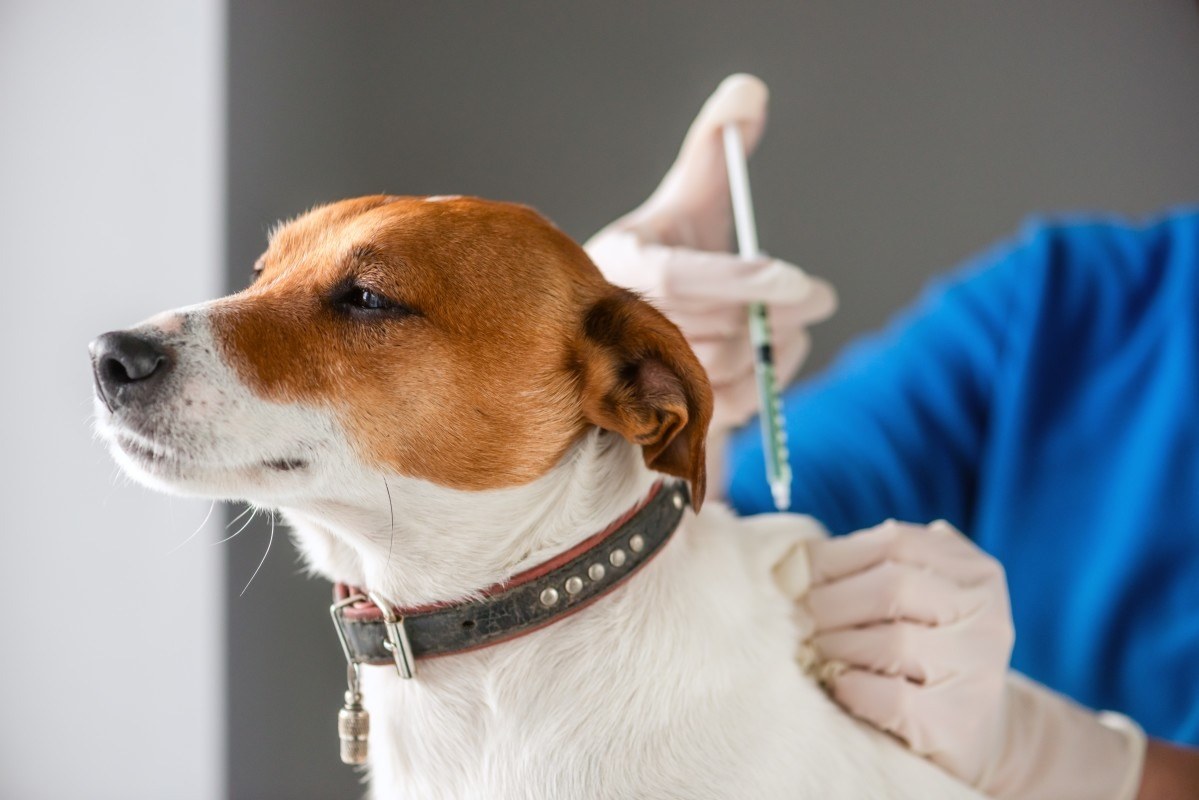
Librela is given as a subcutaneous injection, meaning it is administered under the skin rather than into a vein or muscle. The injection is given by a veterinarian once a month, typically in the scruff of the neck or another area with sufficient subcutaneous tissue. Most dogs tolerate the injection well and do not require sedation or significant restraint during the procedure.
The monthly administration schedule is one of the practical advantages of Librela for dogs, particularly for owners who find daily oral medication challenging to manage. Because each dose is administered by a veterinarian, there is no reliance on the owner to give medication at home and no risk of missed doses due to a dog refusing tablets or treats.
For dogs receiving care through a mobile veterinary service, Librela injections can be administered during a home visit, removing the need to transport a dog who may be experiencing significant joint pain and mobility limitations. Comfort Paws Veterinary Care offers Librela as part of a personalized at-home arthritis management plan, making consistent monthly treatment accessible without the stress of a clinic visit.
How Librela Compares to Other Pain Management Options
Librela vs Traditional Dog Pain Management Approaches
Understanding where Librela fits within the broader landscape of dog pain management helps owners and veterinarians make the most appropriate treatment decisions for an individual dog.
Feature |
Librela |
NSAIDs |
Gabapentin |
| Mechanism | Targets nerve growth factor specifically | Broadly reduces inflammation | Modulates nerve pain signals |
| Administration | Monthly injection by a veterinarian | Daily oral tablet or liquid at home | Daily oral capsule or liquid at home |
| Onset of effect | Typically within weeks of first dose | Often within days | Variable, often gradual |
| Gastrointestinal risk | Low | Moderate to high with long-term use | Low |
| Kidney and liver monitoring | Minimal requirement | Regular bloodwork recommended | Minimal requirement |
| Suitable for dogs with organ concerns | Often yes, depending on individual assessment | May be limited in dogs with kidney or liver disease | Often yes |
| Requires home administration | No | Yes | Yes |
This comparison reflects general patterns and individual dogs may respond differently. A veterinarian will assess which approach or combination of approaches best suits a specific dog based on their health history, current medications, and degree of pain.
When Librela Is Used Alongside Other Treatments
Librela for dogs is not always used as a standalone treatment. Many dogs benefit from a multimodal approach to pain management in which Librela is combined with other elements such as joint supplements, physical rehabilitation, weight management, or environmental modifications at home. The advantage of its specific mechanism is that it can complement rather than duplicate the effects of other treatments, making it a versatile addition to an existing care plan.
For dogs whose pain has not been adequately controlled through NSAIDs alone or who cannot tolerate NSAIDs due to organ concerns, Librela offers an alternative route to effective relief. In some cases it may allow a reduction in the dose of concurrent medications, though any changes to a dog’s medication plan should always be guided by a veterinarian.
Which Dogs Are Candidates for Librela
Eligibility and Suitability
Librela is specifically licensed for the management of pain associated with osteoarthritis in dogs. It is not intended for cats, and a separate monoclonal antibody product called Solensia has been developed for feline use. Within the canine population, Librela is suitable for a broad range of dogs, including those who may not be ideal candidates for long-term NSAID use.
The table below summarizes common scenarios in which a veterinarian may consider Librela as part of a dog’s pain management plan:
Dog Profile |
Why Librela May Be Considered |
| Dog with confirmed osteoarthritis | Primary licensed indication for Librela use |
| Dog with kidney or liver disease | Avoids the organ burden associated with long-term NSAID use |
| Dog resistant to oral medication | Monthly injection removes the daily oral dosing challenge |
| Dog with inadequate pain control on current medication | Adds a different mechanism to address persistent pain |
| Senior dog with multiple health conditions | Targeted mechanism reduces systemic medication load |
| Dog showing significant mobility decline | Consistent monthly dosing supports sustained pain relief |
A veterinarian will conduct a full assessment before starting Librela, which typically includes a physical examination, review of current medications, and where appropriate, baseline bloodwork to ensure the treatment is being introduced safely.
Dogs for Whom Librela May Not Be Appropriate
Librela is not recommended for use in breeding dogs, pregnant dogs, or lactating dogs, as its safety in these populations has not been fully established. Dogs with known hypersensitivity to bedinvetmab or any component of the formulation should not receive Librela. As with any treatment, the decision is made on an individual basis after a thorough veterinary assessment.
What to Expect From Librela Treatment
The First Few Weeks
Most dogs begin to show improvements in comfort and mobility within the first few weeks of receiving their initial Librela injection, though the timeline varies between individuals. Some owners notice changes in how their dog rises from rest, engages with movement, or behaves around activities they had previously been avoiding. Others may observe more gradual improvement that becomes clearer after the second or third monthly dose.
It is important to approach the first treatment period with realistic expectations. Librela does not reverse the structural changes of osteoarthritis, which are permanent. What it achieves is a meaningful reduction in the pain signals that arise from those changes, allowing dogs to move more comfortably and engage more fully in daily life.
Ongoing Monthly Treatment
Because nerve growth factor is continuously produced by the body, the pain-relieving effect of each Librela dose diminishes gradually over the course of the month. This is why monthly administration is essential for maintaining consistent pain control. Gaps in treatment can allow pain to return to pre-treatment levels, which is why scheduling regular injections and maintaining the monthly interval is an important part of the treatment commitment.
Owners should communicate any changes they observe between doses to their veterinarian, including signs that pain appears to return before the end of the monthly cycle, as this information may influence dose or treatment plan adjustments.
Monitoring During Treatment
Because Librela works through a targeted mechanism that does not affect the kidneys or liver in the way that NSAIDs do, intensive bloodwork monitoring is not typically required in the same way it is for dogs on long-term anti-inflammatory medications. However, veterinarians will still assess the dog’s overall health at each monthly visit and will adjust the treatment plan if any concerns arise.
Regular wellness monitoring is beneficial for all dogs with chronic conditions, and routine wellness examinations provide an opportunity to track changes in mobility, weight, comfort, and overall health alongside the Librela treatment.
Supporting Your Dog Alongside Librela Treatment

Home Care and Environmental Adjustments
Librela addresses the pain component of arthritis, but it works best when paired with thoughtful support at home. Creating an environment that reduces physical strain on arthritic joints helps maximize the benefit of treatment and contributes to a more comfortable daily experience for the dog.
Bedding and Resting Areas
Providing a supportive orthopedic bed reduces pressure on joints during rest and helps minimize the stiffness that develops when a dog has been in the same position for extended periods. Placing the bed in a warm location away from drafts and at floor level removes the need for jumping that could aggravate joint pain.
Flooring and Mobility Support
Non-slip rugs on smooth or slippery floor surfaces give arthritic dogs secure footing during movement and reduce the risk of slipping or falling when navigating the home. Ramps placed at furniture edges or vehicle entry points allow dogs to access favorite resting spots without the joint impact of repeated jumping.
Exercise and Movement
Gentle and consistent low-impact movement supports joint health and helps maintain the muscle mass that stabilizes arthritic joints. Short leash walks on flat ground, controlled gentle movement in the garden, and carefully managed activity are all appropriate for most dogs receiving Librela treatment. The goal is to keep the dog moving without overloading the affected joints.
Weight Management
Body weight has a direct mechanical impact on arthritic joints. Every additional kilogram of body weight places greater stress on the joint surfaces during movement. Supporting weight management through appropriate nutrition and portion control reduces this mechanical load and enhances the pain-relieving effect of Librela. A veterinarian can guide weight targets and feeding plans as part of an overall arthritis care strategy.
The broader guide on how to care for a senior dog and improve their quality of life offers comprehensive guidance on home adjustments that support aging dogs managing joint disease and related conditions.
Tracking Progress and Quality of Life
As Librela treatment continues, keeping a simple record of the dog’s daily comfort, activity levels, and behavior helps both the owner and veterinarian assess how well the treatment is working over time. Noting changes in how easily the dog rises from rest, how willingly they engage with walks and movement, and how their overall mood and engagement with family life changes between doses provides a meaningful picture of treatment effectiveness.
When pain management is working well, owners often report that their dog seems more like themselves again, more interested in movement, more interactive, and more settled during rest. These qualitative observations are as valuable as clinical measurements in guiding ongoing treatment decisions.
For dogs whose arthritis has reached a stage where comfort is the primary concern and daily quality of life is significantly affected despite treatment, a quality of life assessment provides a structured and compassionate framework for evaluating the dog’s overall experience. If a dog’s condition progresses to where pain can no longer be adequately managed, guidance on what hospice care for dogs involves may be a helpful next step in planning compassionate end-of-life support.
Scheduling a Librela Consultation
Families who believe their dog may benefit from Librela should raise the topic during their next veterinary visit or schedule a dedicated consultation to discuss their dog’s pain management needs. A veterinarian will assess whether osteoarthritis is the underlying cause of the dog’s discomfort, review any current medications for potential interactions, and determine whether Librela is an appropriate addition to the care plan.
For dogs who find clinic visits stressful or who experience significant pain with movement, an at-home veterinary evaluation offers a more comfortable setting for this discussion and for the administration of the first injection. The benefits of in-home veterinary care for anxious and senior pets outlines why this approach is particularly well-suited to dogs managing mobility challenges.
If your dog shows any of the following signs, a conversation about arthritis injections for dogs including Librela may be timely:
- Persistent morning stiffness that takes longer than a few minutes to resolve after rising from rest, suggesting that joint pain is building during periods of inactivity.
- Reluctance to climb stairs, jump into vehicles, or engage with activities the dog previously enjoyed, reflecting the dog’s instinct to protect painful joints from further strain.
- Visible limping or shifting of weight that has become more consistent over several weeks rather than appearing only after unusually strenuous activity.
- Behavioral changes such as increased irritability when touched around the hindquarters, spine, or limbs, which commonly reflect pain-induced sensitivity rather than temperament issues.
- Inadequate pain control on current oral medications despite correct dosing and regular administration as directed by a veterinarian.
Taking the Next Step for Your Dog
Chronic pain from arthritis does not have to define a dog’s daily experience. With the right treatment approach, appropriate home support, and consistent veterinary care, many dogs show meaningful improvements in comfort, mobility, and overall engagement with life. What is Librela injection for dogs is a question that more families are asking as awareness of this targeted treatment grows, and for good reason. Its specific mechanism, monthly convenience, and favorable safety profile make it a meaningful option in the management of canine osteoarthritis pain.
If your dog is managing chronic joint pain and you would like to discuss whether Librela for dogs is an appropriate part of their care plan, Comfort Paws Veterinary Care offers compassionate at-home assessments and monthly Librela injections as part of a personalized arthritis management plan. Reach out to schedule a consultation and take a meaningful step toward improving your dog’s daily comfort.
Frequently Asked Questions
Q: What is Librela injection for dogs and what does it treat?
A: Librela is a monthly monoclonal antibody injection that targets nerve growth factor to reduce arthritis pain in dogs. It is administered by a veterinarian once monthly and is specifically licensed for osteoarthritis pain management.
Q: How long does it take for Librela for dogs to work?
A: Many dogs begin showing improvements in comfort and mobility within the first few weeks following their initial injection. Some dogs respond more gradually, with clearer improvement visible after the second or third monthly dose. Responses vary between individuals depending on the severity of arthritis and overall health.
Q: Can Librela be used alongside other dog pain management medications?
A: Yes, Librela can often be used as part of a multimodal pain management plan that includes joint supplements, physical rehabilitation, or other medications. Because it works through a different mechanism than NSAIDs or gabapentin, it complements rather than duplicates their effects. All medication combinations should be reviewed by a veterinarian.
Q: Are there side effects associated with arthritis injections for dogs like Librela?
A: Librela is generally well-tolerated. Some dogs may experience mild and temporary reactions at the injection site. As with any biological treatment, individual responses vary. A veterinarian will review your dog’s health history before starting treatment to ensure Librela is appropriate and to discuss any specific considerations.
Q: Is Librela suitable for senior dogs with other health conditions?
A: Librela is often considered for senior dogs precisely because its targeted mechanism does not carry the gastrointestinal, kidney, or liver risks associated with long-term NSAID use. Suitability is determined on an individual basis through veterinary assessment, taking into account the dog’s current health status and existing medications.