
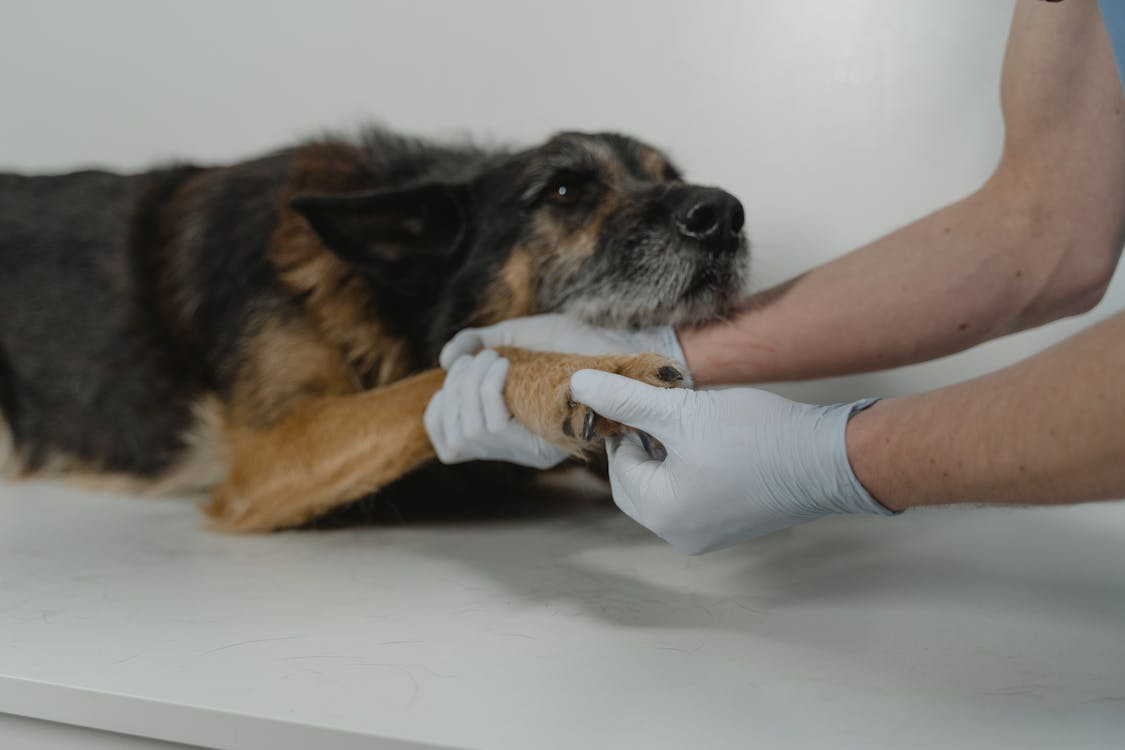
For most of the history of pet ownership, a trip to the veterinary clinic has been the default approach to pet healthcare. It is a familiar routine for many families, but it is also one that comes with significant challenges. Car rides, waiting rooms, unfamiliar smells, and proximity to stressed animals can turn a routine health check into an exhausting ordeal for pets and owners alike. Choosing a vet that comes to your house offers a fundamentally different experience, one built around the needs of the pet rather than the logistics of a clinic.
At home vet services have grown considerably in recent years as pet owners recognize the advantages of bringing veterinary care into the home environment. Mobile veterinary services now provide a wide range of medical support, from routine wellness visits and vaccinations to end-of-life care, all delivered in the familiar and calming space where your pet already feels safe. For many families, the shift to a house call vet is not simply a matter of convenience. It is a decision that genuinely improves the quality of the veterinary experience for their pet.
This guide explores the reasons why at-home veterinary care often serves pets and their owners better than traditional clinic visits and helps families understand what this approach looks like in practice.
Table Of Contents
- 1 The Fundamental Problem With Clinic Visits for Many Pets
- 1.1 Reason One: Pets Are Calmer and Easier to Examine at Home
- 1.2 Reason Two: Senior and Medically Fragile Pets Avoid Unnecessary Physical Strain
- 1.3 Reason Three: More Accurate Behavioral and Environmental Assessment
- 1.4 Reason Four: Reduced Exposure to Infectious Disease
- 1.5 Reason Five: Convenience for Busy Pet Owners
- 1.6 Reason Six: A Better Experience for Multi-Pet Households
- 2 What Mobile Veterinary Services Can Provide
- 3 What to Expect From a House Call Vet Visit
- 4 Mobile Veterinary Services and Ongoing Chronic Care
- 5 Is At-Home Vet Care Right for Your Pet
- 6 Conclusion
- 7 FAQs
- 7.1 Q: What can a vet that comes to your house actually do during a visit?
- 7.2 Q: Are at home vet services more expensive than clinic visits?
- 7.3 Q: Are mobile veterinary services available for cats as well as dogs?
- 7.4 Q: How do I prepare for a house call vet visit?
- 7.5 Q: Can a house call vet manage ongoing chronic conditions in my pet?
The Fundamental Problem With Clinic Visits for Many Pets
Before exploring why mobile veterinary services offer distinct advantages, it is worth understanding the specific challenges that clinic visits create for many pets. These challenges are not trivial. They directly affect the accuracy of veterinary assessments, the emotional wellbeing of the animal, and the likelihood that owners will seek care proactively rather than delaying it.
The journey to a clinic typically begins with a carrier or a car ride, both of which are sources of genuine stress for many cats and some dogs. Cats in particular are highly sensitive to changes in environment and often associate their carrier with previous veterinary visits, making the sight of it enough to trigger an anxiety response before any travel has even begun.
Clinic waiting rooms present a second layer of challenge. The combination of unfamiliar smells from other animals, noise, close quarters with unknown pets, and the overall unpredictability of the environment can push an anxious pet well past their threshold for calm behavior. Dogs may pull, bark, or become reactive. Cats may press themselves into the back of their carrier or become difficult to handle. Both responses make it harder for a veterinarian to conduct a thorough and accurate examination.
Once in the examination room, the elevated stress hormones in an anxious pet affect measurable health parameters. Heart rate increases, blood pressure rises, and respiratory rate accelerates, all of which can make it genuinely difficult to distinguish normal from abnormal findings. A cat whose blood pressure is elevated at the clinic may have perfectly normal blood pressure at home. This phenomenon, known as white coat hypertension, is well recognized in veterinary medicine and represents a real limitation of clinic-based assessment for sensitive patients.
Reason One: Pets Are Calmer and Easier to Examine at Home

The most direct advantage of choosing a vet that comes to your house is the difference in the animal’s emotional state during the examination. At home, a pet is surrounded by familiar sights, sounds, smells, and textures. They are not competing for composure against the accumulated stress of travel and an unfamiliar environment. They can remain in their favorite resting spot, in the room where they feel most secure, or in the arms of the person they trust most.
This calmer baseline produces more accurate and meaningful examination findings. Heart rate, respiratory rate, and blood pressure readings reflect the pet’s true physiological state rather than a stress response. Behavioral observations made at home reflect how the pet actually moves, interacts, and functions in daily life rather than how they behave under duress. A veterinarian assessing an arthritic dog at home can watch the dog rise from their bed, navigate the hallway, and climb or avoid stairs, providing far richer information about the degree of mobility impairment than a brief and stilted clinical walkthrough would offer.
For cats especially, the value of a calm examination environment is profound. Cats who become what veterinarians sometimes call fractious in clinic settings, requiring multiple handlers or towel wraps for basic examination, may be entirely cooperative and gentle at home. This difference in behavior is not temperament. It is a reflection of the environment, and choosing at home vet services removes the environmental triggers that create unnecessary difficulty for the cat and the examining veterinarian alike.
The comprehensive benefits of at-home vet services for anxious pets and busy owners explores these advantages in fuller detail and includes the specific ways that in-home care supports animals across a range of temperament and health profiles.
Reason Two: Senior and Medically Fragile Pets Avoid Unnecessary Physical Strain
For senior pets and those managing chronic illness, the physical demands of a clinic visit go beyond emotional stress. A dog with advanced arthritis who struggles to rise from their bed faces real physical difficulty being lifted into a vehicle, kept still during a car journey, and walked across a parking lot and through a clinic lobby. The energy expenditure and physical strain of that journey can leave them exhausted and sore for hours afterward.
Similarly, cats managing kidney disease, heart conditions, or significant weight loss may find the exertion of travel genuinely taxing. Any physical strain on an already compromised system is worth minimizing when the goal of the visit is to assess and support the pet’s health.
A house call vet removes this burden entirely. The pet does not move at all unless the examination itself requires brief repositioning. They remain warm, settled, and supported throughout the visit. For a senior dog who experiences pain with movement, this difference in physical demand is not a minor comfort issue. It is a meaningful component of compassionate care.
The guide on how to care for a senior dog and improve their quality of life discusses the broader principles of keeping aging dogs comfortable and supported, many of which align naturally with the at-home care model.
Reason Three: More Accurate Behavioral and Environmental Assessment
A veterinarian visiting your home can observe things that are simply not visible in a clinical setting. They can see where the pet sleeps, how they navigate different surfaces, whether they approach their food bowl with enthusiasm or hesitation, how they interact with other animals in the household, and how they move between rooms during a typical day.
This environmental context is particularly valuable when assessing cognitive function, mobility, pain-related behavior changes, and appetite issues. A cat who seems alert and engaged during a brief clinical exam may show meaningful disorientation at home. A dog who trots confidently on the hard clinic floor may struggle noticeably on the slippery kitchen tiles where they spend most of their time. The home environment reveals the pet’s true daily experience in ways that a clinic simply cannot replicate.
For pets showing subtle senior cat behavior changes or early signs of cognitive decline, the ability to observe them moving through their own space adds a layer of diagnostic insight that improves the quality of veterinary guidance. Owners also tend to ask more questions and share more detailed observations when they are comfortable in their own home rather than managing an anxious pet in an unfamiliar room.
Reason Four: Reduced Exposure to Infectious Disease
Veterinary clinics are environments where animals with illness congregate. This is by design, as clinics exist to treat sick animals, but it creates an inherent exposure risk for healthy pets who visit for routine wellness care. Despite rigorous cleaning and sanitation protocols, airborne pathogens, parasites, and contagious infections can persist in shared spaces.
For puppies and kittens who have not yet completed their vaccination series, immunocompromised pets, or elderly animals whose immune function has declined with age, exposure to a clinic waiting room carries a meaningful infectious risk that does not exist during a home visit.
At home vet services eliminate this exposure entirely. The veterinarian arrives prepared with sterilized equipment and supplies, and the visit takes place in an environment that contains only the known inhabitants of the household. For families managing a pet with a compromised immune system or for those who are cautious about infection risk, this is a genuine and practical advantage of mobile veterinary services.
Reason Five: Convenience for Busy Pet Owners
Managing a pet’s healthcare alongside work schedules, family commitments, and the logistical challenges of transportation is a real barrier for many pet owners. Finding time to transport a pet to a clinic, wait for an appointment, and manage the recovery period from the stress of the visit can feel genuinely difficult for busy families.
A house call vet comes to your location within a scheduled window. There is no travel time, no parking, no waiting room, and no coordination of a carrier and a car. Owners can be present throughout the appointment while continuing to manage their home environment. The efficiency of a well-organized home visit often makes it easier to keep appointments consistently rather than postponing care due to logistical challenges.
This improved consistency in seeking veterinary care has a direct impact on preventive health outcomes. Pets whose owners face fewer barriers to scheduling appointments are more likely to receive regular wellness checks, early detection of developing conditions, and timely management of chronic health concerns.
Reason Six: A Better Experience for Multi-Pet Households
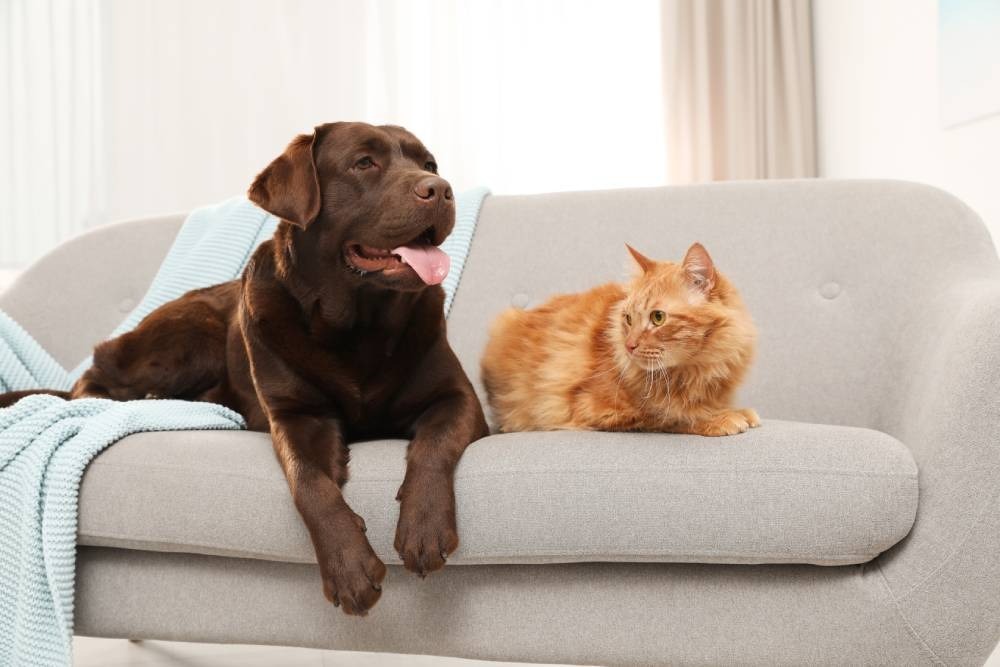
Managing a veterinary visit for one pet while caring for others at home requires planning and often assistance. In a multi-pet household, leaving one or more animals at home alone while transporting another can create separation anxiety, particularly in bonded pairs. Bringing multiple pets to a clinic simultaneously multiplies the logistical challenge and the stress for everyone involved.
Mobile veterinary services can assess multiple pets during a single home visit. This is particularly efficient for families with several cats or a combination of dogs and cats who all require wellness care. Each pet can be examined in turn within their familiar environment, reducing the disruption to the household and eliminating the need for multiple separate clinic appointments.
What Mobile Veterinary Services Can Provide
A common question among families considering at home vet services for the first time is what the scope of care actually looks like. Mobile veterinary services provide a broader range of care than many owners initially expect.
Routine wellness examinations, vaccination administration, parasite prevention, and general health screenings are all straightforward to perform during a home visit. Blood draws for laboratory testing, urine collection, and administration of subcutaneous fluids for pets managing kidney disease are equally manageable in a home setting with appropriate preparation.
Dental assessments, skin and ear evaluations, weight monitoring, mobility assessments, medication adjustments, and chronic disease monitoring are all part of what a house call vet can provide during regularly scheduled visits. Nutrition counseling, behavioral guidance, and senior care planning are also well-suited to the longer and more relaxed conversation that a home visit supports.
End-of-life care is one of the areas where at-home services offer the most profound advantage. Quality of life assessments, palliative care consultations, hospice planning, and in-home pet euthanasia can all be carried out with a level of gentleness and privacy that a clinic environment struggles to provide. Understanding what in-home euthanasia services look like for caring pet owners helps families recognize how compassionate and dignified this experience can be when it is delivered in the comfort of home.
For pets who require procedures that need specialized equipment or facilities such as surgical intervention, dental cleaning under anesthesia, or advanced imaging, a mobile veterinarian will coordinate referral to an appropriate clinic or specialist. The home visit remains the foundation of the relationship, with clinic-based care accessed only when truly necessary.
What to Expect From a House Call Vet Visit
For families who have not previously used mobile veterinary services, knowing what to expect from the visit itself helps the appointment feel organized and relaxed from the start.
A house call vet will typically arrive within the agreed appointment window carrying the equipment needed for the visit. This includes a portable examination kit, diagnostic tools, vaccination supplies, and any medications or treatments that have been discussed in advance. The veterinarian will take time to greet both the owner and the pet before beginning the examination, allowing the pet to settle and adjust to the new presence in their space.
The examination itself follows the same thorough approach as a clinic visit, covering the cardiovascular and respiratory systems, eyes, ears, oral cavity, skin, coat, musculoskeletal function, abdominal assessment, and neurological responses. Behavioral observations made throughout the visit supplement the hands-on findings. The veterinarian will discuss findings openly with the owner, answer questions, and develop a care plan before concluding the appointment.
Owners are encouraged to share any behavioral changes, appetite concerns, or new symptoms they have noticed since the last visit, as this information is as valuable as the physical examination findings in building a complete picture of the pet’s health.
Mobile Veterinary Services and Ongoing Chronic Care
For pets managing ongoing conditions such as kidney disease, heart disease, arthritis, diabetes, or cognitive dysfunction, mobile veterinary services offer a sustainable and low-stress model for regular monitoring. Rather than scheduling clinic visits that disrupt the pet’s routine and wellbeing each time a check-in is needed, a house call vet can conduct follow-up assessments in a way that integrates naturally into the pet’s daily life.
This regular home-based contact also strengthens the relationship between the veterinarian and the pet over time. A cat or dog who is visited repeatedly in their own home by the same practitioner typically becomes more relaxed with each visit, making examinations progressively easier and more thorough. The veterinarian develops a detailed knowledge of the pet’s baseline behavior, movement patterns, and daily habits that enriches every subsequent assessment.
For pets whose conditions require quality of life monitoring as they age or progress, regular home visits provide the continuity needed to track changes meaningfully over time. The guide on what a quality of life exam involves explains how this assessment works within an ongoing care relationship. When conditions advance, at-home services also provide seamless continuity into hospice-style care at home for dogs and the equivalent support for cats receiving compassionate end-of-life guidance.
Is At-Home Vet Care Right for Your Pet
At home vet services are suitable for the large majority of companion animals and their families. They are particularly well-suited to cats of any age, as feline stress responses to clinic environments are well documented and significant. Senior dogs and those managing mobility limitations benefit greatly from the elimination of physical travel demands. Anxious dogs who become reactive or distressed in clinic settings are much better served by an examination conducted in a familiar and calm environment.
Busy families, multi-pet households, owners with limited access to transportation, and those who want a more personalized and unhurried veterinary relationship will also find that mobile veterinary services align well with their needs and priorities.
The most straightforward way to determine whether a house call vet is the right fit for your pet is to schedule an initial consultation and experience the difference firsthand.
Conclusion
Choosing a vet that comes to your house is not simply a lifestyle convenience. It is a decision that prioritizes the emotional wellbeing of your pet, improves the accuracy of veterinary assessments, reduces unnecessary physical strain on senior and medically fragile animals, and makes consistent preventive care more accessible for busy families. At home vet services bring genuine medical care into the environment where your pet is most comfortable and where they can be observed and assessed as they truly are in daily life.
If you are ready to explore a calmer and more personalized approach to your pet’s healthcare, Comfort Paws Veterinary Care provides compassionate mobile veterinary services across Brooklyn, New York. Contact us to schedule a consultation and discover what a difference it makes when the vet comes to you.
FAQs
Q: What can a vet that comes to your house actually do during a visit?
A: A house call vet can perform routine wellness exams, administer vaccinations, collect blood and urine samples, assess chronic conditions, adjust medications, provide dental and skin evaluations, and conduct end-of-life care including euthanasia. Procedures requiring specialized equipment are coordinated through clinic referral when necessary.
Q: Are at home vet services more expensive than clinic visits?
A: At home vet services may carry a slightly higher fee to reflect the travel and individualized time involved. However, many families find the value significant when factoring in reduced stress for their pet, eliminated travel costs, saved time, and the improved quality of examination that a calm home environment supports.
Q: Are mobile veterinary services available for cats as well as dogs?
A: Yes, mobile veterinary services are available for both cats and dogs and are particularly well-suited to cats, who tend to experience higher stress levels during clinic visits than dogs. Many cat owners report a dramatically improved veterinary experience for their cat when switching to at-home care.
Q: How do I prepare for a house call vet visit?
A: Choose a quiet room where your pet is comfortable and note any behavioral or health changes you have observed since the last visit. Have any current medications or supplements accessible, ensure other pets are settled, and prepare any questions you want to discuss. The veterinarian will guide the rest of the appointment.
Q: Can a house call vet manage ongoing chronic conditions in my pet?
A: Yes. A house call vet can provide consistent monitoring and management for conditions including kidney disease, arthritis, heart disease, diabetes, and cognitive dysfunction. Regular home visits support accurate tracking of the pet’s condition over time and allow care plans to be adjusted proactively as the pet’s needs change.