

High blood pressure is a condition most people associate with human medicine, but it is a genuine and serious health concern for dogs as well. Because it rarely produces obvious symptoms in the early stages, it is sometimes called a silent condition in veterinary practice. Understanding what causes high blood pressure in dogs gives owners a meaningful advantage in recognizing risk, supporting preventive care, and acting quickly when signs of concern appear.
In dogs, high blood pressure is most often a consequence of an underlying disease rather than a standalone condition. When organ systems are affected by chronic illness, the cardiovascular system frequently adapts in ways that elevate blood pressure. Over time, sustained elevated pressure damages the organs that depend on healthy circulation, creating a cycle that worsens both the original disease and the blood pressure it helped create.
This guide explains how canine hypertension develops, which conditions most commonly cause it, what signs owners should watch for, and what preventive and management strategies help protect long-term health.
Table Of Contents
- 1 Understanding Blood Pressure in Dogs
- 2 What Causes High Blood Pressure in Dogs
- 3 Signs of High Blood Pressure in Dogs
- 4 How High Blood Pressure Is Diagnosed
- 5 Dog Arthritis Treatment and Blood Pressure
- 6 Managing and Preventing High Blood Pressure in Dogs
- 7 When to Seek Veterinary Care
- 8 Conclusion
- 9 FAQs
- 9.1 Q: What causes high blood pressure in dogs most commonly?
- 9.2 Q: What are the signs of high blood pressure in dogs owners should watch for?
- 9.3 Q: Can heart disease in dogs cause high blood pressure?
- 9.4 Q: How is high blood pressure in dogs treated?
- 9.5 Q: Can high blood pressure in dogs be prevented?
Understanding Blood Pressure in Dogs
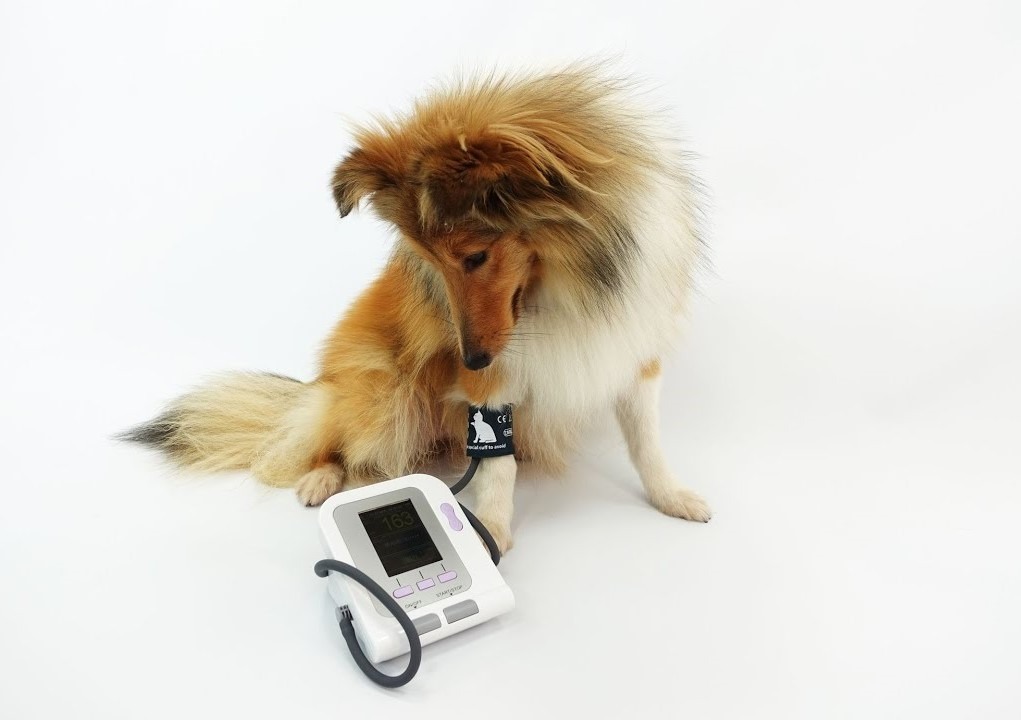
Blood pressure measures the force that blood exerts against the walls of the arteries as the heart pumps. It is expressed as two numbers: systolic pressure, which is the peak pressure during a heartbeat, and diastolic pressure, which is the pressure between beats. In dogs, a systolic reading below 160 mmHg is generally considered within an acceptable range, while readings consistently above this threshold indicate hypertension.
Blood pressure is regulated by a complex interaction between the heart, kidneys, blood vessels, and a series of hormonal and nervous system signals. When any of these systems is disrupted by disease, the regulation process can break down and sustained hypertension can develop.
Dogs are less likely to develop primary hypertension, which is high blood pressure with no identifiable underlying cause, than humans are. Secondary hypertension, which develops as a result of another medical condition, accounts for the large majority of cases seen in veterinary practice. Identifying and managing the root cause is therefore central to effectively treating elevated blood pressure in dogs.
What Causes High Blood Pressure in Dogs
Dog Kidney Disease
Dog kidney disease is the most commonly identified cause of hypertension in dogs. The kidneys play a central role in regulating blood pressure through their control of fluid volume and through a hormonal system called the renin-angiotensin-aldosterone system, which adjusts blood vessel tension and sodium balance in the body.
When the kidneys are damaged by chronic kidney disease, this regulatory system becomes dysregulated. The kidneys may signal the body to retain more fluid and constrict blood vessels in an attempt to compensate for reduced filtering capacity, both of which elevate blood pressure. At the same time, the sustained elevated pressure causes further damage to the delicate structures within the kidneys, accelerating the decline of kidney function.
Early identification of dog kidney disease and blood pressure monitoring as part of ongoing management are essential for slowing this cycle. Routine wellness examinations that include blood pressure checks allow veterinarians to catch hypertension before it causes additional organ damage.
Heart Disease in Dogs
Heart disease in dogs is both a potential contributor to elevated blood pressure and a condition that is worsened by it. The relationship between the cardiovascular system and blood pressure is deeply interconnected. When the heart is working less efficiently due to structural disease, the body may compensate through mechanisms that increase vascular resistance and elevate pressure.
Conversely, sustained hypertension places greater demand on the heart, requiring it to pump against higher resistance with each beat. Over time this additional workload can contribute to cardiac enlargement and reduced function. Monitoring blood pressure in dogs diagnosed with heart disease is a standard part of managing their condition, as uncontrolled hypertension compounds the cardiovascular stress they are already experiencing.
Endocrine Disorders
Several hormonal conditions directly affect blood pressure regulation in dogs. Cushing’s disease, also known as hyperadrenocorticism, causes the adrenal glands to produce excess cortisol. Elevated cortisol increases sodium and fluid retention while also causing blood vessel walls to become more responsive to vasoconstricting signals, resulting in higher blood pressure.
Hypothyroidism, in which the thyroid gland produces insufficient hormone, and pheochromocytoma, a tumor of the adrenal gland that intermittently releases adrenaline-like hormones, are also associated with blood pressure changes in dogs. Diabetes mellitus can affect vascular function over time through metabolic changes that impair vessel elasticity and fluid regulation.
Medications and Treatments
Certain medications used to manage other conditions in dogs can elevate blood pressure as a side effect. Long-term corticosteroid use is a common example, as steroids affect fluid retention and vascular tone. Erythropoietin, sometimes used in dogs with severe anemia related to kidney disease, and some non-steroidal anti-inflammatory drugs can also contribute to blood pressure changes in susceptible dogs.
Any dog receiving long-term medication that has potential cardiovascular effects should have blood pressure monitored as part of their regular health management.
Obesity
Excess body weight affects blood pressure through multiple pathways. Adipose tissue is metabolically active and produces hormones and inflammatory compounds that influence vascular tone and fluid regulation. Obese dogs often experience increased cardiac output as the heart works to circulate blood through a larger body mass. Fat deposits around the chest and abdomen can also impair respiratory function, adding additional cardiovascular strain.
Weight management is one of the most practical and modifiable factors in blood pressure prevention. Maintaining a healthy body condition reduces the physiological burden on the cardiovascular and renal systems and lowers the risk of developing secondary hypertension.
Age
Senior dogs carry a higher baseline risk of developing hypertension, partly because the conditions that cause it, such as kidney disease and endocrine disorders, become more prevalent with age, and partly because vascular elasticity naturally diminishes over time. This is why blood pressure monitoring is often integrated into wellness care for older dogs regardless of whether a specific underlying condition has been identified.
Signs of High Blood Pressure in Dogs
High blood pressure itself is not always visibly symptomatic, particularly in its early stages. When signs do appear, they are often the result of damage that hypertension has caused to target organs rather than of the elevated pressure itself. The organs most commonly affected include the eyes, kidneys, heart, and brain.
Sudden Vision Changes or Blindness
The blood vessels in the retina are particularly vulnerable to sustained high pressure. Retinal hemorrhage, detachment, or edema can develop when blood pressure remains elevated, sometimes leading to sudden vision loss. An owner may notice their dog bumping into furniture, becoming reluctant to navigate familiar spaces in low light, or showing dilated pupils that do not respond normally to light. Sudden onset blindness in a dog with no prior eye history is a significant finding that should prompt immediate veterinary evaluation.
Neurological Signs
Hypertensive encephalopathy occurs when elevated pressure affects blood flow and vessel integrity in the brain. Dogs may show disorientation, head tilting, circling, sudden behavioral changes, seizures, or weakness. These signs can develop quickly and represent a serious situation requiring urgent care.
Nosebleeds
Epistaxis, or bleeding from the nose without trauma, can be a sign of high vascular pressure causing fragile blood vessels to rupture. Recurrent unexplained nosebleeds in a dog warrant blood pressure measurement as part of the diagnostic workup.
Signs Related to Organ Involvement
Many of the signs of high blood pressure in dogs overlap with the symptoms of the underlying conditions causing it. Increased thirst and urination may point to kidney involvement. Exercise intolerance, coughing, and labored breathing may reflect cardiac effects. Lethargy, reduced appetite, and weight changes are nonspecific but common findings in dogs with organ disease complicated by hypertension.
Because the signs of high blood pressure in dogs are so varied and often subtle, blood pressure measurement is the only reliable way to confirm the diagnosis. This measurement can be performed during a standard veterinary visit or during an at-home evaluation for dogs who experience stress in clinical settings.
How High Blood Pressure Is Diagnosed
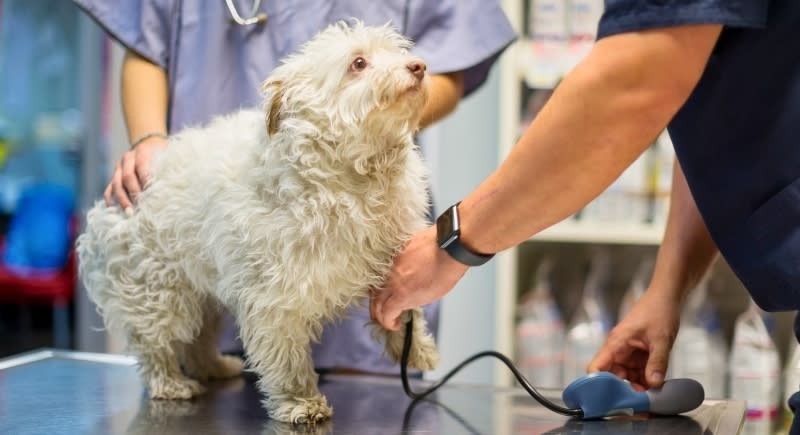
Blood pressure in dogs is measured using a technique similar to that used in human medicine. An inflatable cuff is placed around one of the limbs or around the tail, and the pressure is measured using a Doppler or oscillometric device. Multiple readings are typically taken and averaged to account for temporary elevations caused by anxiety or excitement, a phenomenon known as white coat hypertension.
Accurate blood pressure measurement requires a calm and settled patient. This is one of the reasons that at-home veterinary evaluation can produce more reliable readings in anxious dogs. When a dog is assessed in their own home environment, baseline stress is reduced and readings are more likely to reflect the dog’s true cardiovascular state rather than a stress response to the clinical setting. Exploring the benefits of at-home vet services for anxious pets explains how this approach supports more accurate assessments across a range of health concerns.
Once hypertension is confirmed, additional diagnostic workup typically includes blood and urine tests to assess kidney function, thyroid levels, and blood glucose. Chest radiographs and cardiac evaluation may be recommended if heart disease in dogs is suspected as a contributing factor.
Dog Arthritis Treatment and Blood Pressure
It is worth noting that some medications commonly used in dog arthritis treatment, particularly non-steroidal anti-inflammatory drugs, require careful monitoring in dogs who also have kidney disease or elevated blood pressure. This is because these medications can affect kidney perfusion and fluid balance in ways that may compound existing hypertension. Veterinarians managing dogs with multiple concurrent conditions will weigh these interactions carefully when designing a treatment plan.
Managing and Preventing High Blood Pressure in Dogs
Management of canine hypertension focuses on two parallel goals: treating the underlying condition responsible for the elevated pressure and directly lowering blood pressure when it reaches a level that risks organ damage.
Treating the Underlying Condition
Effective management of dog kidney disease, endocrine disorders, or heart disease in dogs often produces meaningful reductions in blood pressure as organ function stabilizes. Dietary changes, particularly reduced sodium and phosphorus intake for dogs with kidney involvement, support kidney health and reduce cardiovascular strain. Prescription diets formulated for renal or cardiac disease play an important role in this aspect of management.
Antihypertensive Medications
When blood pressure remains elevated despite management of the underlying condition, or when it is high enough to risk immediate organ damage, antihypertensive medications are prescribed. Amlodipine, a calcium channel blocker, is one of the most commonly used medications for controlling blood pressure in dogs. ACE inhibitors, which reduce the hormonal signals that constrict blood vessels, are also frequently prescribed, particularly in dogs with concurrent kidney disease.
Medication adjustments over time are normal. Blood pressure can fluctuate with disease progression, seasonal changes, and other factors, requiring periodic reassessment and dose modification.
Weight Management
For dogs who are overweight, achieving and maintaining a healthy body weight reduces cardiovascular demand and lowers one of the modifiable risk factors for sustained hypertension. This typically involves dietary adjustment, controlled portion feeding, and appropriate exercise tailored to the dog’s physical condition.
Routine Monitoring
Dogs diagnosed with hypertension require regular follow-up blood pressure measurements to assess the effectiveness of current management and identify any worsening over time. The frequency of monitoring depends on the severity of the hypertension and how well it is responding to treatment. For dogs managing both blood pressure and a condition like kidney disease, closer and more frequent monitoring helps catch changes before they cause significant damage.
For senior dogs or those with chronic conditions, regular wellness visits and sick care appointments allow veterinarians to track blood pressure trends alongside other key health indicators and adjust the management plan accordingly.
Preventive Strategies for Owners
While secondary hypertension cannot always be prevented because its root causes are not always preventable, owners can take meaningful steps to reduce overall risk and support early detection.
- Scheduling wellness examinations at least once a year for adult dogs and every six months for senior dogs creates regular opportunities for blood pressure screening before hypertension causes organ damage.
- Maintaining a healthy body weight through appropriate diet and portion control reduces the metabolic and cardiovascular burden that contributes to elevated blood pressure in overweight dogs.
- Managing chronic conditions such as kidney disease and endocrine disorders proactively through consistent veterinary care and prescribed treatment reduces the likelihood that these conditions will progress to cause hypertension.
- Reporting behavioral or physical changes promptly, such as sudden vision changes, unexplained nosebleeds, or neurological signs, allows for faster evaluation and intervention when hypertension develops.
When to Seek Veterinary Care
Any of the following signs of high blood pressure in dogs should prompt a same-day or urgent veterinary evaluation rather than a scheduled appointment:
- Sudden onset vision changes or apparent blindness in a dog with no prior history of eye disease, which may indicate acute retinal damage from hypertensive hemorrhage.
- Neurological changes including sudden disorientation, head tilting, circling, weakness, or seizures that appear without prior warning or an obvious cause.
- Repeated nosebleeds that occur without injury and do not resolve quickly, particularly in dogs already known to have kidney disease or another condition associated with hypertension.
For dogs already diagnosed with conditions that increase hypertension risk, reporting any new symptoms promptly through a scheduled consultation allows for proactive adjustments before complications develop.
For dogs with advanced illness or seniors managing multiple overlapping conditions, a quality of life assessment helps families and veterinarians evaluate overall comfort and wellbeing and make thoughtful decisions about the direction of care.
Conclusion
Understanding what causes high blood pressure in dogs empowers owners to take a proactive role in their dog’s cardiovascular health. Because hypertension most often develops as a consequence of conditions like dog kidney disease and heart disease in dogs, staying attentive to early signs of organ dysfunction and maintaining consistent wellness care is the most effective form of prevention available. Recognizing the signs of high blood pressure in dogs, even when those signs are subtle or indirect, allows for faster evaluation and better outcomes.
With appropriate management, many dogs with hypertension continue to live comfortable and fulfilling lives. The key is early detection, accurate diagnosis, and a consistent treatment plan that addresses both the blood pressure itself and the condition driving it.
If you would like a compassionate at-home evaluation for your dog or have concerns about any aspect of their cardiovascular or organ health, Comfort Paws Veterinary Care is here to help. Schedule a consultation to discuss your dog’s health with a veterinarian who can provide personalized guidance in the comfort of your home.
FAQs
Q: What causes high blood pressure in dogs most commonly?
A: The most common cause is dog kidney disease, which disrupts the hormonal systems that regulate blood pressure and fluid balance. Endocrine disorders such as Cushing’s disease, heart disease in dogs, diabetes, and obesity also contribute significantly to secondary hypertension in canine patients.
Q: What are the signs of high blood pressure in dogs owners should watch for?
A: Common signs include sudden vision changes or blindness, unexplained nosebleeds, neurological symptoms such as disorientation or circling, and changes linked to organ involvement like increased thirst or exercise intolerance. Many dogs show no obvious signs until blood pressure is measured during a veterinary exam.
Q: Can heart disease in dogs cause high blood pressure?
A: Yes, there is a bidirectional relationship. Heart disease in dogs can contribute to blood pressure dysregulation and is simultaneously worsened by sustained hypertension. Managing both conditions together is important for preventing accelerated cardiovascular and organ decline over time.
Q: How is high blood pressure in dogs treated?
A: Treatment focuses on managing the underlying condition and, when necessary, prescribing antihypertensive medications such as amlodipine or ACE inhibitors. Weight management, dietary modification, and regular blood pressure monitoring are also central components of a comprehensive long-term management plan.
Q: Can high blood pressure in dogs be prevented?
A: Primary prevention is not always possible, but maintaining a healthy weight, scheduling regular wellness exams, and managing chronic conditions proactively significantly reduces risk. Early identification of dog kidney disease or hormonal disorders allows treatment to begin before hypertension develops and causes organ damage.