Cats are remarkably skilled at hiding discomfort. This instinct is deeply rooted in their nature as both predator and prey. In the wild, showing vulnerability invites danger. As a result, even cats living comfortably at home tend to mask pain until it becomes very difficult to hide. Understanding what are signs my cat is in pain allows owners to identify problems earlier and seek the right care before discomfort worsens.
Many owners assume their cat is fine because they continue eating, moving around, or interacting with the household. But pain in cats rarely announces itself the way it does in dogs. Instead it surfaces through quiet, subtle shifts in behavior, posture, and daily routine. By the time a cat shows obvious signs of distress, the underlying issue has often been present for some time.
This guide walks through the most important behavioral and physical clues to watch for, explains the conditions that commonly cause pain in cats, and helps you understand when a veterinary evaluation is the right next step.
Table Of Contents
Why Cats Hide Pain So Effectively
The tendency to conceal pain is not stubbornness or indifference. It is a deeply ingrained survival strategy. Cats in the wild that appear injured or vulnerable are more likely to be targeted by predators or displaced from their territory. Domestic cats retain this instinct even though their environment is far safer.
What this means for owners is that a cat experiencing significant discomfort may continue behaving in familiar ways for quite some time. They may still eat, groom, and seek affection, all while managing ongoing pain. The signs that do surface are often subtle and easy to attribute to aging, personality changes, or passing mood shifts.
Learning how to tell if a cat is in pain requires familiarity with your individual cat’s baseline behavior. Changes from that baseline are far more informative than any single symptom on its own. A cat that was previously playful and now rests for most of the day, or one that was affectionate and now avoids being touched, is communicating something meaningful even if they are not vocalizing distress.
Changes in Cat Behavior That Signal Pain
Withdrawal and Hiding
One of the most consistent signs a cat is in pain is a shift toward isolation. Cats that are hurting instinctively seek out quiet, enclosed spaces where they feel protected. If your cat is spending extended time hiding under furniture, inside closets, or in rooms they rarely used before, this change in cat behavior warrants attention.
Withdrawal can accompany many different types of pain including dental disease, abdominal discomfort, musculoskeletal injury, and internal illness. It is also a common response to conditions like kidney disease and cancer, which progress gradually and cause ongoing discomfort. The hiding behavior itself does not identify the source of pain but it is a reliable signal that something is affecting your cat’s comfort.
Reduced Social Interaction
Cats in pain often become less engaged with the people and animals in their household. A cat that previously greeted you at the door, slept near you at night, or sought out contact during the day may begin keeping more distance. Some cats stop responding to their name or to familiar sounds that previously caught their attention.
This reduction in social engagement is different from a cat simply having a quiet day. It tends to persist over time and represents a meaningful departure from the cat’s usual level of interaction. If you have noticed your cat pulling back from family connection over days or weeks, it is worth considering whether discomfort is playing a role.
Aggression or Irritability
A cat that has never shown aggression but suddenly hisses, swipes, growls, or bites when approached or touched may be protecting a painful area. When cats are touched in a spot that hurts, their reflexive response is often defensive. This can be confusing for owners who interpret the behavior as a personality change rather than a pain response.
Pay attention to whether the aggression occurs in specific contexts. A cat that reacts defensively only when their lower back is touched, or only when they are picked up in a particular way, may be showing exactly where the pain is located. Cats with arthritis, spinal pain, or internal disease often display this localized sensitivity.
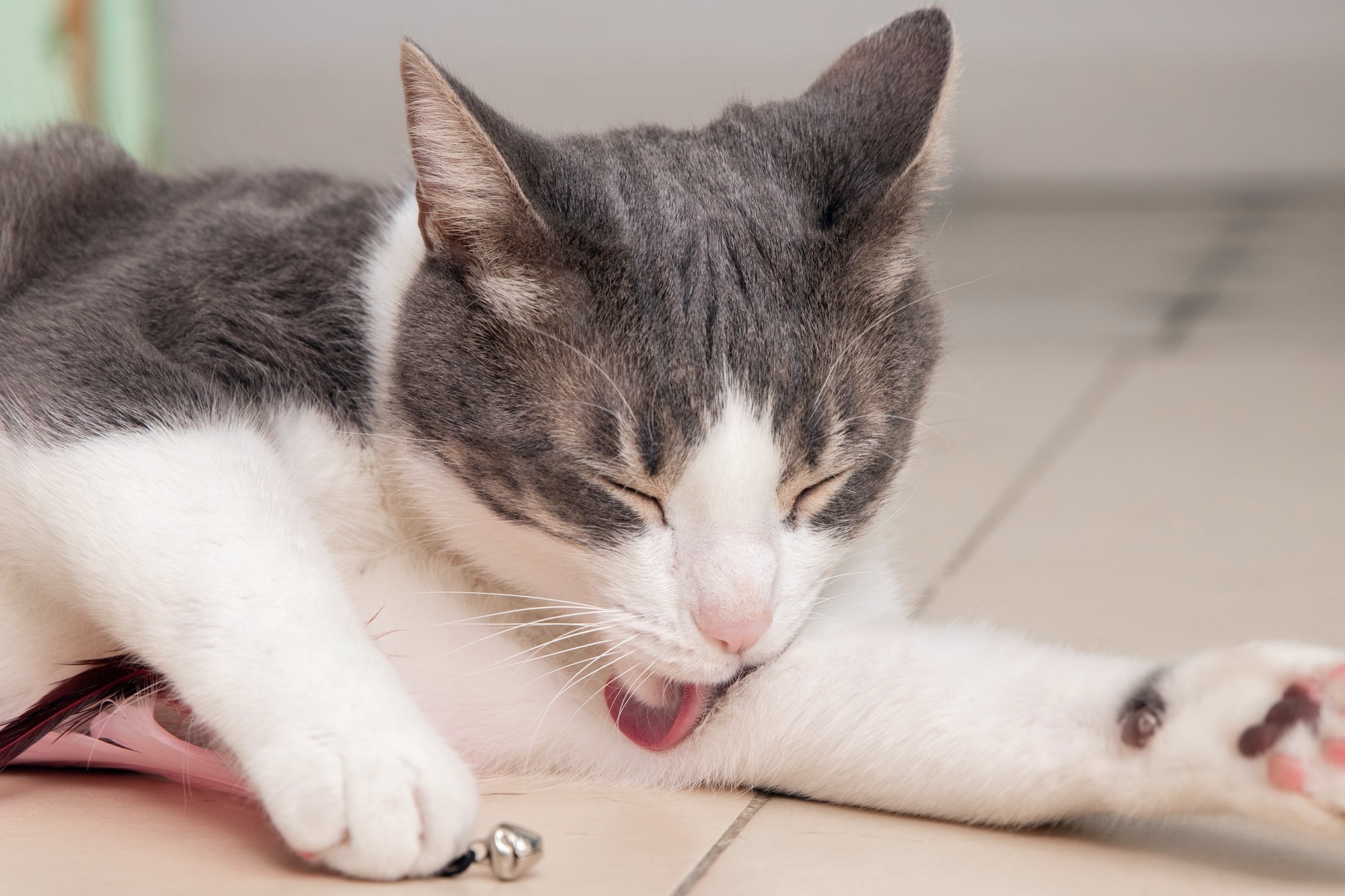
Reduced Grooming or Overgrooming
Changes in grooming are among the more telling signs a cat is in pain. Cats that are experiencing musculoskeletal discomfort or abdominal pain may groom less because the physical positions required for grooming have become uncomfortable. A cat with arthritis in the hips or spine may struggle to reach certain areas of their coat, leading to matting or a dull and unkempt appearance in those regions.
Conversely, some cats respond to pain by overgrooming a specific area. Excessive licking or chewing at a particular spot on the body can indicate localized pain, nerve irritation, or skin discomfort. If you notice a thinning patch of fur or reddened skin in one area, particularly if your cat returns to that spot repeatedly, it suggests something worth investigating.
Reduced Activity and Reluctance to Jump
A cat that previously moved easily between surfaces but now hesitates before jumping or avoids certain heights may be managing joint pain or muscle soreness. Arthritis is very common in middle-aged and senior cats and often goes undiagnosed because the reduced activity is mistakenly attributed to age-related slowdown.
Watch for your cat choosing lower surfaces, skipping favorite perches, or taking longer to settle into a resting position. Some cats will sit partway down and then shift position multiple times before lying still, which suggests finding a comfortable posture is challenging. These physical hesitations are meaningful reflections of how the cat is feeling internally.
Altered Facial Expression
Research in feline behavior has identified specific facial changes that accompany pain in cats. The feline grimace scale documents observable shifts including orbital tightening around the eyes, a flattened or forward-oriented ear position, a tense muzzle, and whiskers that appear drawn back or bunched together.
These expressions are subtle and require attentive observation. They are most visible when a cat is resting quietly and not distracted by food or stimulation. Comparing photographs of your cat taken at different times can sometimes make these changes more apparent. A consistently tense or guarded facial expression in a resting cat is worth mentioning to your veterinarian.
Changes in Vocalization
Some cats become quieter when they are in pain while others vocalize more. Low growling, moaning, or unusual crying particularly during movement or when settling into a position can indicate discomfort. Cats with urinary tract problems may cry while using the litter box. Cats with abdominal pain or constipation may vocalize during elimination attempts.
Changes in the quality or frequency of your cat’s vocalizations matter. A cat that has become persistently vocal at night without a clear reason, or one that has gone unusually quiet after being normally talkative, may be communicating something about how they feel physically.
Physical Signs of Pain in Cats
Changes in Posture
Cats in pain often adopt protective postures. A hunched stance with the back arched, the head lowered, and all four paws tucked tightly beneath the body suggests the cat is guarding their abdomen or chest. This position helps reduce movement and protect tender internal areas.
Some cats with pain in one limb will shift their weight consistently onto the other side. Others may stand or sit with their weight distributed unevenly in a way that becomes noticeable if you observe them over time. These postural adjustments are the body’s way of reducing load on a painful area.
Changes in Breathing
Rapid or shallow breathing at rest that is unrelated to heat or recent exercise can reflect pain or discomfort. Cats in significant pain sometimes breathe faster as part of a stress response. If the pattern persists when the cat is resting in a cool and calm environment, it requires veterinary assessment.
Abdominal breathing, where the belly moves visibly more than the chest during each breath, can indicate respiratory discomfort or pain that is affecting the mechanics of normal breathing. Any breathing irregularity in a resting cat should be taken seriously.
Litter Box Changes
Avoiding the litter box, crying while using it, or spending an unusually long time inside the box can all be signs of urinary or gastrointestinal discomfort. Cats with cystitis, urinary blockages, constipation, or inflammatory bowel disease may show these behaviors.
Straining without producing urine is a veterinary emergency, particularly in male cats who are at high risk for urinary obstruction. Even when straining is accompanied by small amounts of urine, it still requires prompt veterinary attention. Changes in litter box behavior should never be dismissed as a behavioral issue without first ruling out a physical cause.
Appetite and Thirst Changes
Pain related to dental disease, nausea, abdominal discomfort, or systemic illness commonly affects appetite. A cat that approaches the food bowl and then walks away without eating, or one that shows interest in food but is reluctant to chew or swallow, may be managing oral pain. If your senior cat has been experiencing appetite loss, the guide on why your senior cat is not eating or drinking and when to worry provides helpful information on the range of causes involved.
Changes in thirst can also reflect underlying illness. Cats with kidney disease, diabetes, or hyperthyroidism often drink and urinate more frequently. These increases in thirst and urination are worth monitoring and reporting to your veterinarian as part of a broader picture of your cat’s health.
Changes in Pupil Size
Dilated pupils that persist in a well-lit environment, or significant asymmetry between the two pupils, can sometimes reflect pain or neurological changes. While pupil changes have many possible explanations, they are worth noting as part of a broader assessment when other signs of discomfort are also present.
Common Causes of Pain in Cats
Understanding what are signs my cat is in pain also involves being familiar with the conditions most likely to produce it.
Arthritis
Feline arthritis is far more common than many owners realize. Studies suggest that the majority of cats over ten years of age have radiographic evidence of arthritis in at least one joint. Because cats compensate so effectively, the stiffness and discomfort often progress without being identified. A senior cat that has slowed down, grooms less thoroughly in certain areas, or avoids jumping is frequently managing undiagnosed joint pain.
Dental Disease
Oral pain from gingivitis, periodontal disease, tooth resorption, or fractured teeth is a significant and often missed source of feline discomfort. Cats with dental disease may show food aversion, facial sensitivity, drooling, or changes in the side they chew on. Because dental pain develops slowly and cats continue eating despite it, the connection between oral disease and behavioral changes is frequently overlooked.
Kidney Disease
Chronic kidney disease is one of the most prevalent conditions in older cats. As kidney function declines, toxin buildup causes nausea, weakness, and general discomfort. The symptoms develop gradually, which is why routine bloodwork and monitoring are important for senior cats. Learning more about the symptoms of kidney failure in cats and when to see your vet provides a thorough picture of how this disease progresses and what to watch for at each stage.
Cancer
Feline cancer can affect many body systems and cause pain depending on its location and progression. Oral tumors, abdominal masses, and bone tumors are among the types that produce notable discomfort. Because pain from cancer often mimics the behavioral changes associated with other conditions, a thorough examination with appropriate diagnostics is important when multiple concerning signs appear together.
Urinary Tract Disease
Feline idiopathic cystitis, urinary infections, and urinary blockages produce significant pain during urination. These conditions can develop quickly and intensify rapidly, particularly in male cats. A cat straining in the litter box or crying during elimination needs veterinary attention promptly.
Gastrointestinal Conditions
Inflammatory bowel disease, constipation, pancreatitis, and intestinal obstructions all produce abdominal discomfort that affects how a cat behaves, eats, and moves. Vomiting that recurs over days or weeks is not normal and should be investigated rather than accepted as a routine part of cat ownership.
How Pain Affects Quality of Life
Unmanaged pain diminishes a cat’s quality of life in ways that extend well beyond the physical sensation of discomfort. Cats in pain experience reduced ability to rest comfortably, decreased interest in food and social interaction, and a general withdrawal from the activities that made their daily life meaningful.
For cats managing chronic illness, pain assessment is a central part of understanding how they are coping day to day. Quality of life evaluations help veterinarians and families assess comfort across multiple dimensions and guide decisions about pain management adjustments and supportive care. Regular check-ins become increasingly important for cats in their senior years or those managing ongoing medical conditions.
When to Seek Veterinary Care
Some signs of pain in cats require same-day or urgent veterinary attention. These include straining in the litter box without producing urine, labored breathing at rest, sudden collapse or inability to use one or more limbs, facial swelling, or any situation where a cat appears to be in acute distress and cannot be settled.
Other signs are less urgent but still require a scheduled veterinary visit within a reasonable timeframe. Persistent appetite changes, ongoing hiding or social withdrawal, altered grooming patterns, changes in posture or gait, or any behavioral shift that has lasted for more than a few days without an obvious explanation should be discussed with your veterinarian.
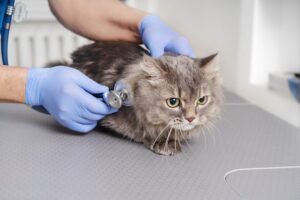
At-home veterinary visits are especially well suited for cats that experience significant stress during travel or clinic environments. Mobile veterinary care allows a full physical examination to take place in the cat’s own space, where they are most relaxed and where their natural behavior patterns can be observed directly. Understanding the full benefits of at-home vet services for anxious pets and busy owners helps explain why in-home evaluations often produce more accurate assessments for cats who become guarded in unfamiliar settings.
How to Support a Cat in Pain at Home
While veterinary guidance is essential for identifying and treating the source of pain, there are thoughtful ways to support a cat’s comfort at home once a plan is in place.
- Providing soft and easily accessible bedding in warm and quiet areas helps cats with joint pain or general discomfort rest more comfortably without having to navigate difficult surfaces or positions.
- Placing food, water, and litter boxes on a single level removes the need for painful climbing or stair use for cats managing mobility challenges.
- Keeping feeding and rest areas in calm and consistent locations reduces additional stress for a cat already coping with physical discomfort.
- Following prescribed medication schedules precisely and communicating any changes in behavior to your veterinarian helps ensure pain management remains effective as the cat’s condition evolves.
- Minimizing handling of painful areas while providing gentle reassurance supports a cat’s sense of security without inadvertently worsening their discomfort.
Conclusion
Recognizing how to tell if a cat is in pain requires attentive observation over time rather than a single obvious signal. Changes in cat behavior, posture, grooming, appetite, and social engagement are the most reliable indicators that something is affecting your cat’s comfort. Because cats conceal discomfort so naturally, even gradual or subtle changes deserve thoughtful attention.
Early identification of pain allows for earlier treatment, better outcomes, and a more comfortable daily experience for your cat. If you have noticed changes in your cat that concern you but are uncertain whether they reflect something physical, a gentle at-home evaluation can provide meaningful clarity without adding the stress of a clinic visit.
Comfort Paws Veterinary Care offers compassionate in-home evaluations for cats showing signs of discomfort or behavioral change. Their approach prioritizes your cat’s comfort and your peace of mind throughout the process. Schedule a consultation to take a thoughtful next step toward understanding and supporting your cat’s wellbeing.
FAQs
Q: What are the most common signs a cat is in pain?
A: Common signs include hiding, reduced appetite, changes in grooming, reluctance to jump, altered facial expressions, and withdrawal from social interaction. Because cats mask discomfort naturally, behavioral changes are often the most reliable early indicators that something is physically wrong.
A: Look for changes that persist over several days and represent a departure from your cat’s baseline. Reduced interaction, altered posture, changes in litter box use, and unexplained aggression when touched are all cat behavior patterns that may reflect underlying discomfort worth investigating.
Q: Can a cat be in pain even if they are still eating?
A: Yes. Many cats continue eating despite significant discomfort. A cat may eat less, eat more slowly, or show reluctance to chew certain textures while still consuming some food each day. Eating alone does not confirm that a cat is comfortable or pain-free.
Q: What should I do if I think my cat is in pain at home?
A: Observe and note any specific behavioral or physical changes and contact your veterinarian. Avoid giving human pain medications as many are toxic to cats. An in-home evaluation allows assessment in a calm setting, which is particularly helpful for cats who become stressed during travel.
Q: Is hiding always a sign that a cat is in pain?
A: Not always, but it is a meaningful signal worth taking seriously. Cats occasionally seek quiet spaces for rest or relaxation. However, persistent hiding that represents a change from the cat’s normal behavior pattern often reflects illness, anxiety, or physical discomfort that deserves veterinary attention.