Dental health is one of the most commonly overlooked aspects of dog care. Many owners notice a change in their dog’s breath or eating habits but are unsure whether it warrants a veterinary visit. Knowing what are the signs of dental disease in dogs can help you catch problems early and prevent ongoing discomfort that quietly worsens over time.
Dental disease in dogs progresses gradually and often develops without obvious outward signs until it has reached a more advanced stage. Because dogs rarely show pain in obvious ways, subtle changes in behavior or appetite are frequently the earliest clues that something is wrong in the mouth. Understanding what to watch for gives pet owners a meaningful advantage in protecting their dog’s long-term health.
This guide covers the most common signs of oral disease, the conditions that cause them, and the steps you can take to keep your dog comfortable and healthy. It also explains when veterinary attention becomes necessary and how at-home care can make the process easier for dogs who experience stress during clinic visits.
Table Of Contents
- 1 Why Dental Disease in Dogs Is So Common
- 2 What Are the Signs of Dental Disease in Dogs
- 3 Dental Conditions That Commonly Affect Dogs
- 4 How Dental Disease Affects Overall Health
- 5 When to Seek Veterinary Care
- 6 Supporting Your Dog’s Oral Health at Home
- 7 How At-Home Veterinary Care Helps Dogs With Dental Concerns
- 8 Conclusion
- 9 FAQs
Why Dental Disease in Dogs Is So Common
Dental disease in dogs is one of the most prevalent health conditions seen in veterinary practice. Studies estimate that the majority of dogs show some degree of periodontal disease by the time they reach three years of age. Despite how common it is, many cases go unnoticed until the disease has progressed significantly.
Plaque forms on tooth surfaces continuously. When plaque is not removed through regular brushing or professional cleaning, it hardens into tartar, also known as calculus. Tartar accumulates along and beneath the gumline, creating an environment where harmful bacteria thrive. Over time, these bacteria damage the soft tissue and bone that support the teeth, leading to periodontal disease and significant oral pain.
Certain breeds are more prone to dental problems due to the anatomy of their mouths. Small and toy breeds, as well as brachycephalic dogs with shorter snouts, often experience more rapid tartar accumulation and crowding of teeth. Senior dogs are also at higher risk, making routine oral monitoring especially important as dogs age. If you want to learn more about caring for an older dog overall, the guide on how to care for a senior dog and improve their quality of life provides helpful context.
What Are the Signs of Dental Disease in Dogs
Bad Breath and Dog Bad Breath Causes
Persistent bad breath is one of the most recognized dog bad breath causes and one of the first signs owners notice. A mild, food-related odor after meals is normal. However, a consistently foul or unusually strong odor coming from your dog’s mouth is not something to dismiss.
The bacteria involved in periodontal disease release sulfur compounds that produce a distinctly unpleasant smell. Infection, dead tissue, or abscesses in the gum tissue can intensify this odor significantly. If your dog’s breath has changed noticeably or does not improve over time, it is worth having their mouth examined.
Dog bad breath causes also include conditions beyond the mouth. Kidney disease, diabetes, and gastrointestinal issues can produce characteristic breath odors. A veterinarian can help differentiate between oral and systemic sources during an examination.
Visible Tartar and Discoloration
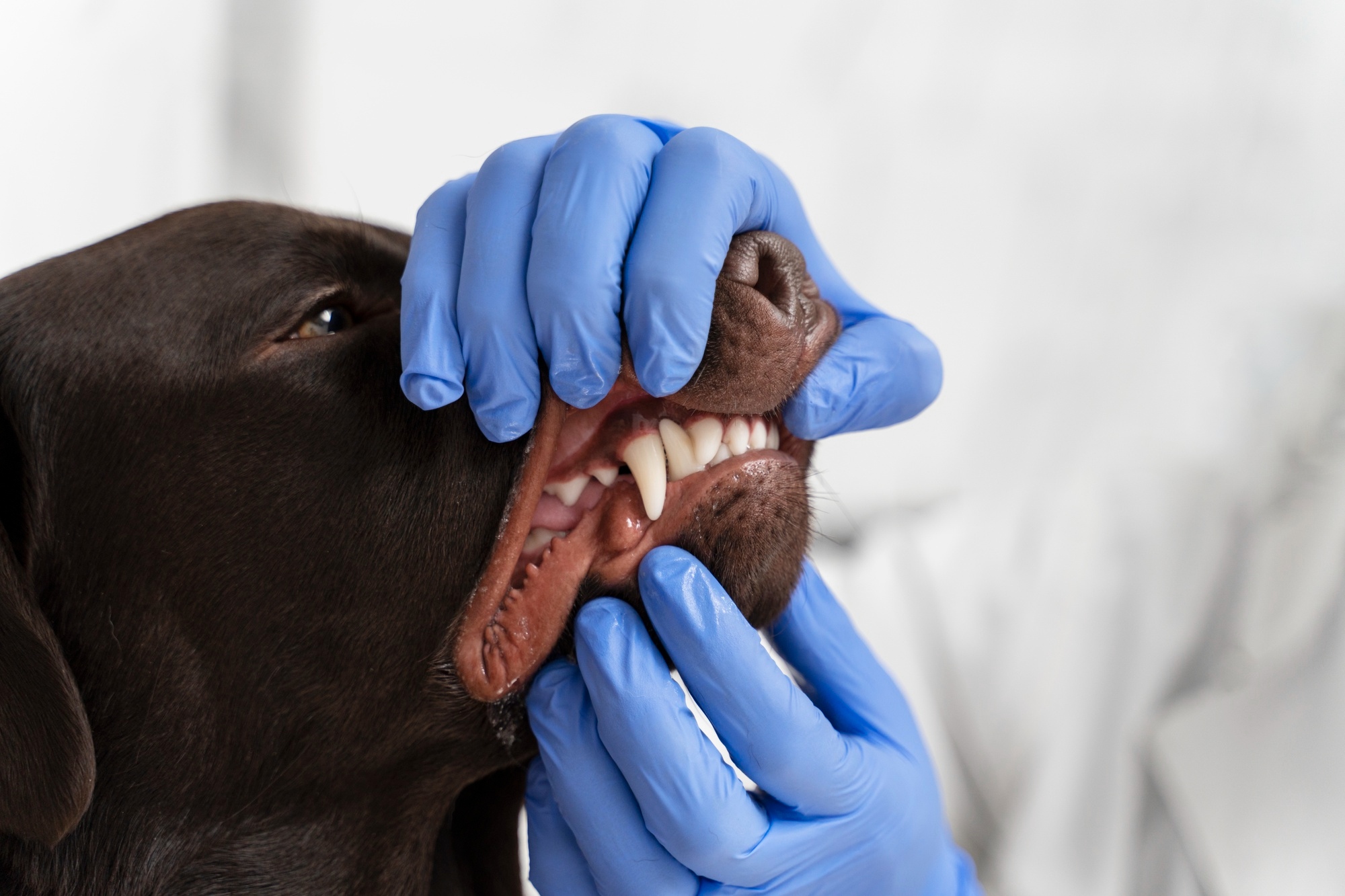
Healthy teeth in dogs are white to off-white in appearance. Yellow or brown buildup along the gumline and on tooth surfaces indicates tartar accumulation. In some cases the buildup becomes thick and extends beneath the gumline where it is not visible to the naked eye.
Discoloration of individual teeth can also indicate internal damage. A tooth that has turned pink, brown, gray, or purple may have suffered trauma or undergone internal pulp death. Discolored teeth can be painful even when the dog does not show obvious signs of discomfort.
Dog Gum Disease and Gum Changes
Dog gum disease begins as gingivitis, which is inflammation of the gum tissue caused by bacterial plaque. Healthy gums appear pink and firm with a defined edge. Gums that appear red, swollen, or that bleed when touched are showing early signs of gingivitis.
Without intervention, gingivitis progresses into periodontitis, which involves destruction of the structures that hold teeth in place. At this stage, the gumline may recede, exposing sensitive tooth roots. Pockets form between the gum and the tooth, harboring bacteria and deepening tissue damage. Dog gum disease at this level can lead to tooth loosening and eventual tooth loss.
Owners should periodically lift their dog’s lips and look at the gum tissue along the upper and lower teeth. Any redness, swelling, recession of the gumline, or visible bleeding should be reported to a veterinarian.
Difficulty Chewing or Changes in Eating Behavior
Pain in the mouth directly affects how a dog approaches food. A dog experiencing oral discomfort may begin to eat more slowly, drop food from their mouth, chew primarily on one side, or show reluctance to pick up their bowl at mealtime. Some dogs avoid hard kibble entirely and prefer softer textures.
These behavioral changes are meaningful signals. They often develop gradually, which means owners may not notice them immediately. If your dog’s eating habits have shifted without an obvious dietary reason, a dental evaluation is a reasonable next step.
Pawing at the Face or Mouth
Dogs that experience discomfort from an abscessed tooth, gum infection, or oral lesion may paw at their muzzle or rub their face along the floor or furniture. This behavior is an attempt to relieve the sensation of pain or pressure they are feeling in the mouth area.
Some dogs become sensitive to touch around the face and resist having their head handled. A dog that previously enjoyed being petted around the muzzle but now pulls away or shows irritability when touched in that area may be responding to oral pain.
Excessive Drooling or Blood in Saliva
Occasional drooling in dogs is normal, but a sudden increase or persistent drooling with no obvious cause can indicate oral disease. When an infection or ulceration is present in the mouth, saliva production can increase in response to pain or irritation.
Blood-tinged saliva is a more urgent sign. It can indicate bleeding from inflamed or infected gum tissue, a fractured tooth, or an oral growth. Any visible blood in saliva or around the mouth should prompt a veterinary evaluation.
Swollen Face or Jaw
A swollen area on the face, particularly beneath the eye or along the jaw, can indicate a tooth root abscess. This occurs when infection spreads from a damaged or decayed tooth root into the surrounding bone and tissue. Abscesses are painful and can also cause fever and lethargy. This type of swelling requires prompt veterinary attention.
Loose or Missing Teeth
In adult dogs, loose teeth are not normal. A tooth that moves when touched or that has separated from its normal position is a sign of advanced periodontal disease or trauma. Tooth loss may occur when the supporting structures have been severely damaged by infection and bone loss.
Dental Conditions That Commonly Affect Dogs
Periodontal Disease
Periodontal disease is the most common dental condition diagnosed in dogs. It begins with gingivitis and progresses to periodontitis when untreated. The four stages of periodontal disease range from mild gum inflammation to severe bone and tissue destruction. By stage three or four, the damage becomes irreversible and extraction of affected teeth is often necessary.
Tooth Fractures
Dogs frequently crack or fracture teeth by chewing on objects that are too hard. Slab fractures, which break away a portion of the tooth surface, are particularly common in large dogs that chew on bones, antlers, or hard nylon toys. Fractured teeth expose the sensitive inner pulp tissue to bacteria and can lead to infection and significant pain.
Oral Masses and Growths
Lumps or bumps in the mouth should always be evaluated by a veterinarian. While some growths are benign epulis formations or cysts, others can be malignant tumors. Melanoma, squamous cell carcinoma, and fibrosarcoma are among the more serious oral cancers seen in dogs. Early detection significantly improves the outcome for these conditions.
Retained Deciduous Teeth
In smaller breeds, baby teeth sometimes fail to fall out when the adult teeth erupt. Two teeth occupying the same space create crowding and food trapping, accelerating tartar accumulation and gum disease. Retained deciduous teeth often need to be extracted to protect the adult dentition.
How Dental Disease Affects Overall Health
Oral disease does not stay confined to the mouth. Bacteria from periodontal infections can enter the bloodstream and affect distant organs. Research in veterinary medicine has identified associations between periodontal disease and conditions affecting the heart, kidneys, and liver. Dogs with advanced dental disease may experience systemic inflammation that contributes to general health decline.
For dogs already managing chronic illnesses, dental disease can complicate management and worsen existing conditions. This is why dental health is consistently considered part of a comprehensive wellness approach rather than a cosmetic concern. Scheduling routine general wellness exams allows veterinarians to assess oral health alongside the rest of the body and catch developing problems early.
When to Seek Veterinary Care
Knowing what are the signs of dental disease in dogs helps determine how urgently a veterinary visit is needed. Some signs call for prompt attention while others are more appropriate for a scheduled wellness visit.
Seek veterinary care promptly if your dog shows any of the following:
- Facial swelling that develops suddenly and may feel warm to the touch. This type of swelling often indicates an abscess and requires timely treatment to prevent the spread of infection.
- Refusal to eat for more than a day without another known cause. Oral pain severe enough to prevent eating requires evaluation and appropriate pain management.
- Visible blood in the mouth or saliva that does not clear up within a short time. Persistent bleeding can indicate infection, oral injury, or a growth that needs assessment.
- Extreme sensitivity or pain when the face or jaw is touched. Sudden sensitivity in this area may reflect an underlying abscess or nerve involvement that warrants same-day care.
- Teeth that appear loose or that have clearly shifted from their normal position. Loose teeth in adult dogs indicate substantial periodontal damage and should be addressed before further bone loss occurs.
For less urgent but still important concerns such as persistent bad breath, tartar buildup, or behavior changes during eating, scheduling a dental evaluation at your next available opportunity is appropriate.
Supporting Your Dog’s Oral Health at Home
Prevention is a key part of managing dental disease in dogs. Daily oral hygiene at home significantly reduces the rate of tartar accumulation and slows the progression of gum disease between professional cleanings.
- Brushing your dog’s teeth daily with a pet-safe toothpaste removes plaque before it hardens into tartar and is the most effective home care method available.
- Introducing toothbrushing gradually using positive reinforcement helps dogs become comfortable with the process and makes it a manageable part of the daily routine.
- Offering veterinary-approved dental chews helps reduce plaque through mechanical abrasion while giving dogs an enjoyable chewing activity.
- Using oral rinses or water additives formulated for dogs provides an additional layer of antibacterial support for dogs who resist brushing.
- Avoiding excessively hard chew objects such as antlers, bones, or hard nylon toys reduces the risk of tooth fractures that can expose the pulp to bacteria.
Just as regular dental monitoring is important for dogs, cat owners dealing with similar concerns can find useful information in the blog on signs of dental disease in cats and how mobile vets reduce anxiety.
How At-Home Veterinary Care Helps Dogs With Dental Concerns
Many dogs experience significant anxiety during veterinary visits. Car travel, unfamiliar environments, and proximity to other animals can heighten stress levels, making it difficult for a veterinarian to perform a thorough oral examination. For dogs with anxiety or mobility limitations, this stress can become a barrier to receiving necessary care.
At-home veterinary visits allow dental evaluations to take place in a calm and familiar setting. Dogs tend to be more relaxed at home, which supports a more thorough and gentle oral assessment. Owners can ask questions without feeling rushed and receive personalized guidance for managing their dog’s specific oral health needs.
Mobile veterinary services are particularly beneficial for senior dogs or those managing multiple health conditions who may find clinic visits physically and emotionally demanding. Understanding the broader benefits of at-home vet services for anxious pets and busy owners helps owners make informed decisions about how to approach routine and preventive care.
While full dental cleanings under anesthesia and dental radiographs require a clinic setting, a mobile veterinarian can perform a thorough visual and physical oral examination, identify developing concerns, discuss home care strategies, and coordinate referrals for procedures that require specialized equipment. Visiting the pet dentals service page provides more information on what dental care looks like as part of a comprehensive veterinary plan.
Conclusion
Dental disease in dogs develops quietly and often progresses before owners realize something is wrong. Staying attentive to changes in breath odor, eating habits, gum appearance, and behavior gives pet owners the ability to act before discomfort becomes severe. Recognizing what are the signs of dental disease in dogs is a meaningful step toward protecting their comfort and overall health.
Routine dental monitoring as part of wellness care helps catch early-stage gingivitis before it advances to irreversible periodontitis. Supporting your dog’s oral health at home and scheduling regular veterinary evaluations creates the best foundation for long-term comfort.
If you have noticed changes in your dog’s mouth or behavior that concern you, Comfort Paws Veterinary Care offers compassionate at-home dental assessments. These visits allow your dog to be evaluated in a calm environment without the added stress of travel. Schedule a consultation to discuss your dog’s oral health and take a proactive step toward keeping their smile healthy.
FAQs
Q: What are the earliest signs of dental disease in dogs?
A: The earliest signs include persistent bad breath, visible yellow or brown tartar buildup along the gumline, and mild gum redness. Dogs may also begin eating more slowly or show slight reluctance to chew hard food before other signs become apparent.
Q: What causes bad breath in dogs?
A: The most common dog bad breath causes include bacterial plaque and tartar buildup, gum infection, and periodontal disease. In some cases, breath odor can also point to systemic conditions such as kidney disease or diabetes, which a veterinarian can help identify.
Q: How is dog gum disease treated?
A: Dog gum disease is treated based on its severity. Early gingivitis can often be managed with professional cleaning and improved home care. Advanced periodontitis may require deep scaling, extraction of severely affected teeth, and ongoing monitoring to prevent recurrence.
Q: Can dental disease in dogs affect their overall health?
A: Yes. Bacteria from oral infections can enter the bloodstream and contribute to inflammation affecting the heart, kidneys, and liver. Addressing dental disease promptly helps protect not just the mouth but the dog’s broader systemic health over time.
Q: How often should a dog have a dental examination?
A: Most veterinarians recommend a dental examination at least once a year as part of a routine wellness visit. Dogs with a history of rapid tartar buildup or periodontal disease may benefit from more frequent evaluations to monitor progression and adjust their care plan.