
Arthritis in cats is far more common than most owners realize, and far more difficult to detect. Unlike dogs, who may limp visibly or vocalize when joints are painful, cats tend to reduce their activity gradually and quietly in response to chronic discomfort. By the time an owner notices something is wrong, their cat may have been managing significant cat joint pain for months or longer. Finding an effective and sustainable treatment for arthritis in cats has historically been one of the more challenging aspects of feline veterinary medicine, but recent advances have changed that picture meaningfully.
Solensia is a monthly injectable treatment that has gained considerable attention in veterinary practice for its targeted and well-tolerated approach to managing arthritis pain in cats. Developed specifically for feline use, it works through a biological mechanism that directly addresses one of the key drivers of joint pain, offering an alternative to treatments that were often difficult to administer or poorly tolerated in cats. Understanding solensia injections for cats helps owners make informed decisions with their veterinarian and know what to expect from this treatment in practice.
This guide explains how Solensia works, which cats it is designed for, how it compares to other options, and what the treatment process involves at home and in a veterinary setting.
Table Of Contents
- 1 Understanding Arthritis Pain in Cats
- 2 What Are Solensia Injections for Cats
- 3 How Solensia Compares to Other Treatment Options
- 4 Which Cats Are Candidates for Solensia
- 5 What to Expect From Solensia Treatment
- 6 Supporting Your Cat at Home Alongside Solensia
- 7 Scheduling a Solensia Consultation
- 8 Moving Forward With Your Cat’s Comfort
- 9 Frequently Asked Questions
- 9.1 Q: What are solensia injections for cats and what condition do they treat?
- 9.2 Q: How is Solensia different from other treatments for arthritis in cats?
- 9.3 Q: How soon does a feline arthritis injection like Solensia start working?
- 9.4 Q: Can Solensia be given to cats with kidney disease?
- 9.5 Q: Does my cat need to visit a clinic to receive Solensia monthly?
Understanding Arthritis Pain in Cats
Why Cat Arthritis Often Goes Undetected
Cats are instinctive concealers of pain and vulnerability. In a domestic setting this instinct means that even significant cat joint pain may present as subtle behavioral changes rather than obvious lameness. A cat who stops jumping to their favorite windowsill, who uses a lower sleeping location than before, who becomes less tolerant of being petted along the spine, or who visits the litter box less frequently may be managing chronic arthritis pain rather than simply aging or changing their preferences.
Studies in veterinary medicine have indicated that arthritis affects a significant proportion of cats over the age of ten, with prevalence increasing substantially in cats over fifteen years of age. Despite how common the condition is, it remains underdiagnosed because the signs are easy to normalize. This is why a thorough senior wellness evaluation that includes mobility assessment is so valuable for aging cats. The guide on senior cat wellness exams and early disease detection explains what these evaluations look like and what veterinarians assess during a senior feline health check.
How Nerve Growth Factor Drives Cat Joint Pain
The biological mechanism behind Solensia centers on a protein called nerve growth factor, abbreviated as NGF. This protein is produced in elevated quantities around arthritic joints and plays a central role in amplifying pain signals. NGF binds to specialized receptors on pain-sensing nerve cells, heightening the intensity of the pain messages transmitted to the brain.
Because NGF is directly involved in the amplification of arthritis-related pain, targeting and neutralizing it provides a precise approach to pain relief. This is the mechanism that Solensia is built upon and it is this specificity that distinguishes it from broader anti-inflammatory approaches.
What Are Solensia Injections for Cats
The Science Behind Solensia
Solensia is the brand name for frunevetmab, a felinized monoclonal antibody developed specifically for use in cats. Monoclonal antibodies are laboratory-engineered proteins designed to bind to a precise biological target. In the case of Solensia, that target is nerve growth factor. When the injection is administered, the antibody seeks out and binds to NGF, neutralizing it before it can amplify pain signals in the affected joints.
Because Solensia is felinized, meaning it is developed to mirror the structure of naturally occurring feline antibodies, the cat’s immune system is far less likely to mount a reaction against it compared to non-species-specific biological treatments. This design contributes to the treatment’s favorable tolerability profile in cats and makes it suitable for long-term monthly use.
Solensia represents the first monoclonal antibody licensed specifically for the management of cat joint pain associated with osteoarthritis in the European Union, the United Kingdom, the United States, and several other markets. Its approval marked a meaningful advance in the treatment for arthritis in cats, which had previously relied on options not originally designed for feline use.
How Solensia Is Administered
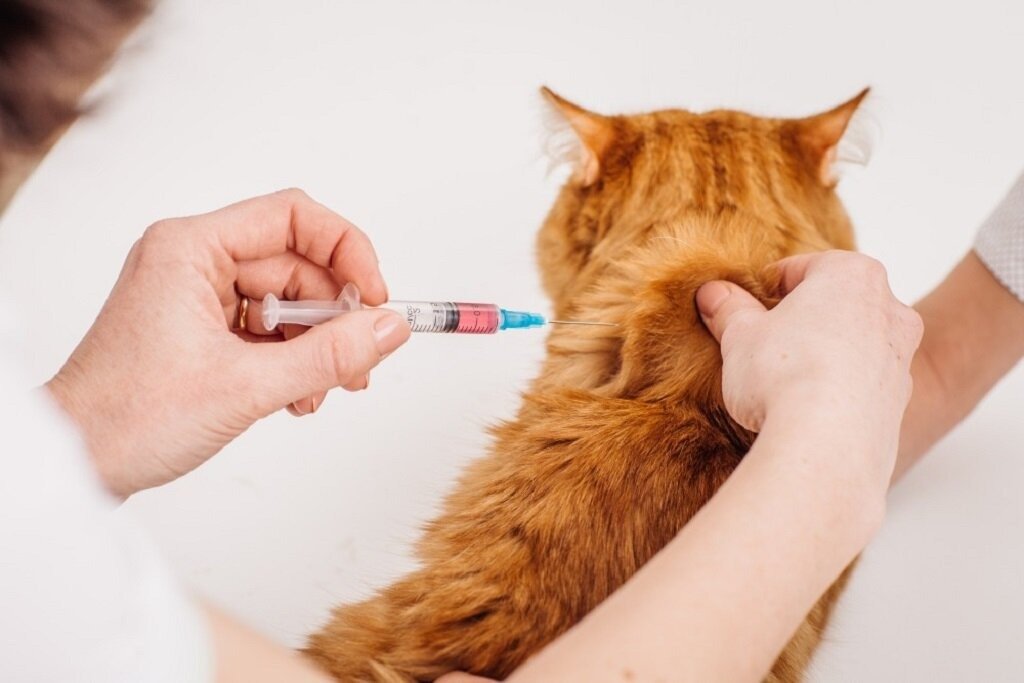
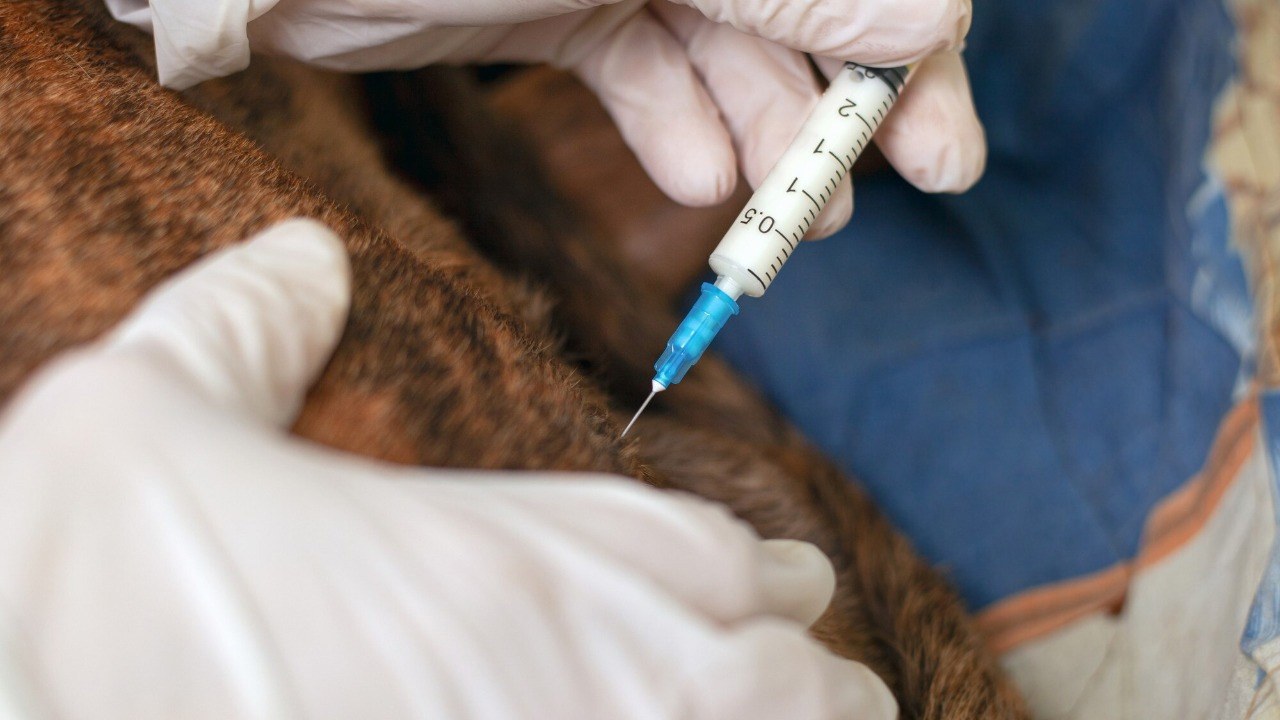
Solensia is given as a subcutaneous injection, administered under the skin by a veterinarian. The injection is typically delivered in the scruff of the neck or another area of adequate subcutaneous tissue. Most cats tolerate the procedure well and do not require sedation. The entire injection process takes only a few moments, and many cats show little or no reaction to it.
The monthly administration schedule is one of the practical advantages of a feline arthritis injection like Solensia. Cats are notoriously difficult to medicate orally, and daily tablet or liquid administration can be a significant source of stress for both the cat and the owner. A monthly injection administered by a veterinarian removes this daily challenge entirely and ensures consistent dosing without reliance on home administration.
For cats who find clinic visits stressful, Solensia can be administered during an at-home veterinary visit, allowing the cat to receive their monthly treatment in the calm and familiar environment of their home. Comfort Paws Veterinary Care offers Solensia as part of a personalized at-home arthritis care plan for cats, making monthly treatment accessible without the added stress of travel.
How Solensia Compares to Other Treatment Options
Treatment for arthritis in cats has historically been limited compared to the options available for dogs. The table below outlines how Solensia compares to other commonly used approaches in feline arthritis management.
Feature |
Solensia |
Meloxicam (NSAID) |
Gabapentin |
| Mechanism | Targets and neutralizes nerve growth factor | Broadly reduces inflammation | Modulates nerve pain signals |
| Administration | Monthly injection by a veterinarian | Daily oral liquid at home | Daily oral capsule or liquid |
| Licensed for cats | Yes, specifically designed for cats | Limited in some markets due to safety concerns | Used off-label for pain |
| Gastrointestinal risk | Low | Moderate with long-term use | Low |
| Kidney and liver impact | Minimal | Requires careful monitoring | Minimal |
| Requires home dosing | No | Yes | Yes |
| Suitable for cats resistant to oral medication | Yes | Challenging | Challenging |
This comparison reflects general characteristics. A veterinarian will assess which approach or combination of approaches best suits an individual cat based on their health history and degree of discomfort.
Which Cats Are Candidates for Solensia
Assessing Suitability for Feline Arthritis Injection
Solensia is licensed for the management of pain associated with osteoarthritis in cats. It is not intended for dogs, which have a separate monoclonal antibody product called Librela. Within the feline population, Solensia is suitable for a broad range of cats, including those who may not tolerate or respond adequately to other treatment options.
Cat Profile |
Why Solensia May Be Considered |
| Cat with confirmed osteoarthritis | Primary licensed indication for Solensia use |
| Cat with kidney disease | Avoids the renal risks associated with NSAID use in cats |
| Cat resistant to oral medication | Monthly injection removes daily dosing challenges |
| Cat with inadequate pain control on current treatment | Adds a targeted mechanism to address persistent pain |
| Senior cat with multiple health conditions | Specific mechanism reduces overall medication burden |
| Cat showing reduced mobility or activity | Consistent monthly dosing supports sustained comfort |
A veterinarian will conduct a thorough assessment before initiating Solensia, including a physical examination, mobility evaluation, and review of the cat’s current medications and health history.
Cats for Whom Solensia May Not Be Appropriate
Solensia is not recommended for use in breeding cats, pregnant cats, or lactating cats, as safety in these populations has not been fully established. Cats with known hypersensitivity to frunevetmab or any component of the formulation should not receive Solensia. All treatment decisions are made on an individual basis following veterinary assessment.
What to Expect From Solensia Treatment
The First Few Weeks
Most cats begin to show signs of improved comfort within the first few weeks of their initial Solensia injection. Owners may notice their cat returning to activities they had previously avoided, such as jumping to previously accessible surfaces, seeking interaction more readily, or moving around the home with greater ease and willingness.
The timeline for response varies between individuals. Some cats respond noticeably after the first injection while others show more gradual improvement that becomes clearer after the second or third monthly dose. Owners are encouraged to observe and note changes in their cat’s behavior, movement, and daily habits to share with their veterinarian at the next appointment.
Ongoing Monthly Care
Because nerve growth factor is continuously produced by the body, the pain-relieving effect of each Solensia dose diminishes over the course of the month. Consistent monthly administration is essential for maintaining sustained pain relief. Missing a dose or extending the interval between injections can allow cat joint pain to return to pre-treatment levels.
Owners who notice that their cat appears to be in greater discomfort in the final days before each monthly injection should raise this with their veterinarian, as it may indicate a need for treatment plan adjustment or additional supportive measures.
Monitoring During Treatment
Solensia does not carry the kidney or gastrointestinal monitoring requirements associated with long-term NSAID use in cats. However, regular veterinary assessment remains important for monitoring overall health, adjusting the care plan as the cat ages, and ensuring the treatment continues to be appropriate over time.
Routine wellness examinations alongside monthly Solensia visits provide an opportunity to track changes in weight, mobility, coat condition, and overall comfort, all of which contribute to a complete picture of how the cat is responding to treatment.
Supporting Your Cat at Home Alongside Solensia
Environmental Adjustments
Solensia addresses the pain component of arthritis, but it works most effectively when paired with thoughtful modifications to the cat’s home environment. Reducing the physical demands placed on arthritic joints supports the treatment’s effects and contributes to more consistent daily comfort.
Litter Box and Feeding Area
Switching to a low-entry litter box removes the need for a cat with cat joint pain to step over a high-sided edge when posturing to eliminate. Placing the litter box and food bowl on the same level as where the cat spends most of their time reduces the need to navigate stairs or steps throughout the day. Raised feeding bowls can benefit cats with neck or front limb arthritis by reducing the degree of neck flexion required during meals.
Resting and Sleeping Areas
Providing soft and supportive bedding at floor level or accessible via a low ramp allows arthritic cats to rest comfortably without the impact of jumping. Warm and draught-free resting locations help reduce joint stiffness during rest periods. Heated beds designed for pets can provide additional relief during cooler months by keeping joints warm and reducing early morning stiffness.
Tracking Progress and Quality of Life
Keeping a simple behavioral log between monthly appointments helps owners and veterinarians assess how effectively Solensia is managing the cat’s pain. Observations about willingness to jump, frequency of movement, litter box use, grooming habits, and interaction with family members all provide meaningful insights into treatment effectiveness.
If a cat’s arthritis progresses significantly despite treatment and quality of life is becoming difficult to maintain, a quality of life assessment helps families and veterinarians evaluate the cat’s daily comfort in a structured and compassionate way. For cats nearing the end of life, the guide on hospice care for cats with chronic illness offers thoughtful guidance on comfort-focused care during advanced disease.
Scheduling a Solensia Consultation
Families who believe their cat may be managing unrecognized or undertreated arthritis pain should raise this with their veterinarian or schedule a dedicated consultation to discuss feline arthritis management options. A veterinarian will assess whether osteoarthritis is the likely source of discomfort, review current medications, and determine whether solensia injections for cats are an appropriate step.
The following signs in a senior or middle-aged cat may indicate that a discussion about a feline arthritis injection is warranted:
- Reluctance to jump to surfaces the cat previously accessed with ease, suggesting that joint pain is making the physical effort of jumping feel too uncomfortable to attempt.
- Reduced grooming of the lower back, hindquarters, or tail base, which may reflect difficulty reaching these areas due to stiffness or pain in the spine or hips.
- Changes in litter box habits without an obvious urinary cause, particularly avoiding a litter box that requires stepping over a high edge or navigating to a different floor level.
- Increased time resting and reduced interest in interactive play, which may reflect the cat’s effort to minimize the joint discomfort that movement produces.
- Visible hesitation before lying down or rising from rest, particularly after longer periods of inactivity during cooler parts of the day.
Moving Forward With Your Cat’s Comfort
Chronic arthritis pain should not be accepted as an inevitable and unmanageable part of a cat’s senior years. With the right treatment approach and appropriate home support, many cats show meaningful improvements in mobility, comfort, and daily engagement that their owners had not expected to see again. Solensia injections for cats offer a targeted, well-tolerated, and practically convenient approach to managing this pain that addresses one of the most important limitations of previous treatment options for feline arthritis.
If your cat is showing signs of joint discomfort or reduced mobility and you would like to discuss whether a feline arthritis injection is the right step, Comfort Paws Veterinary Care offers compassionate at-home assessments and monthly Solensia injections as part of a personalized care plan. Reach out to schedule a consultation and take a meaningful step toward improving your cat’s daily comfort.
Frequently Asked Questions
Q: What are solensia injections for cats and what condition do they treat?
A: Solensia is a monthly monoclonal antibody injection that targets nerve growth factor to reduce arthritis pain in cats. It is specifically licensed for osteoarthritis and administered by a veterinarian once monthly.
Q: How is Solensia different from other treatments for arthritis in cats?
A: Unlike NSAIDs which broadly reduce inflammation, Solensia targets nerve growth factors specifically. It requires no daily home dosing, carries fewer kidney and gastrointestinal risks, and is the first monoclonal antibody licensed specifically for feline arthritis pain.
Q: How soon does a feline arthritis injection like Solensia start working?
A: Many cats show improved comfort and movement within the first few weeks. Some respond more gradually, with clearer improvement visible after the second or third monthly dose depending on arthritis severity and individual response.
Q: Can Solensia be given to cats with kidney disease?
A: Solensia is often considered for cats with kidney concerns because it avoids the renal risks associated with long-term NSAID use. Individual suitability is always determined by a veterinarian based on the cat’s full health assessment.
Q: Does my cat need to visit a clinic to receive Solensia monthly?
A: No. Solensia can be administered during an at-home veterinary visit, making it particularly suitable for cats who experience stress during travel or clinic environments. Monthly home visits support consistent treatment without disrupting the cat’s routine.