

Chronic pain is one of the most significant and least visible challenges in companion animal health. Unlike an acute injury that produces obvious distress and a clear prompt to seek care, chronic pain develops gradually and often expresses itself through changes in behavior and habits that owners may attribute to aging rather than to a condition that can be actively managed. For families caring for an older or chronically ill dog, understanding how to manage pain in dogs is one of the most meaningful contributions they can make to their pet’s daily quality of life.
Dogs are instinctive concealers of vulnerability, a trait retained from their evolutionary history where showing weakness carried survival risks. This means that by the time a dog’s pain becomes obvious, it has typically been present for a significant period. Early recognition of subtle pain signals and a proactive approach to management are the two practices that most consistently protect chronically ill dogs from unnecessary suffering.
This guide covers how chronic pain develops in dogs, what signs to watch for, the full range of dog pain relief options available through veterinary care and home support, and how senior dog care strategies can meaningfully improve daily comfort for dogs managing ongoing illness.
Table Of Contents
- 1 Understanding Chronic Pain in Dogs
- 2 Recognizing Pain in a Dog With Chronic Illness
- 3 Common Causes of Chronic Pain in Dogs
- 4 How to Manage Pain in Dogs: Treatment Options
- 5 Environmental Modifications for Dog Pain Relief at Home
- 6 Senior Dog Care and Daily Pain Management
- 7 Senior Pet Care Mobile Services for Pain Management
- 8 When to Seek Veterinary Evaluation for Pain
- 9 Quality of Life in Dogs With Chronic Pain
- 10 Finding the Right Path for Your Dog
- 11 Frequently Asked Questions
- 11.1 Q: How do I know if my dog is in chronic pain?
- 11.2 Q: What are the most effective dog pain relief options for chronic conditions?
- 11.3 Q: Can senior dog care at home help manage pain without medication?
- 11.4 Q: How often should a dog with chronic pain see a veterinarian?
- 11.5 Q: What is senior pet care mobile and how does it help dogs with chronic pain?
Understanding Chronic Pain in Dogs
Why Chronic Pain Develops
Chronic pain in dogs most commonly develops as a result of progressive conditions that affect the joints, nervous system, organs, or tissues over months and years. Osteoarthritis is the most prevalent cause, affecting a significant proportion of middle-aged and senior dogs and producing daily pain through the progressive loss of cartilage in one or more joints. Cancer, whether bone cancer, soft tissue tumors, or internal malignancies, produces pain through tissue destruction, nerve compression, and inflammation. Dental disease causes significant chronic oral pain that affects eating, behavior, and overall mood. Spinal conditions including intervertebral disc disease and degenerative myelopathy produce pain and neurological symptoms that worsen progressively without management.
Understanding what is driving a specific dog’s pain is essential for developing an effective management plan, as different conditions respond to different approaches and require different combinations of treatment.
How Dogs Mask Pain
The instinct to conceal pain is deeply ingrained in dogs and makes recognition genuinely difficult for even the most attentive owners. Rather than crying out or seeking comfort as a human in pain might, a dog in chronic pain tends to reduce their activity, avoid movements that aggravate discomfort, and adjust their behavior to manage their environment around the pain they are experiencing.
A dog who stops jumping onto the sofa, who takes longer to rise from rest, who is less enthusiastic about walks, or who has become quieter and more withdrawn may be masking significant daily pain. These changes develop gradually, which makes it easy for owners to normalize them incrementally without recognizing the overall pattern they form.
Recognizing Pain in a Dog With Chronic Illness
Physical Signs of Chronic Pain
The physical signs of chronic pain in dogs are closely related to the underlying condition causing them but share several consistent patterns across different conditions.
- Stiffness that appears after rest and gradually improves with movement is a consistent feature of arthritis-related pain and reflects the accumulation of inflammation in a joint during periods of inactivity.
- Muscle wasting over the hindquarters, shoulders, or along the spine develops when a dog redistributes weight away from painful areas over an extended period, causing underused muscles to reduce in mass.
- Changes in gait including limping, shortened stride, bunny-hopping with both hind legs, or carrying the head lower than usual often reflect the body’s attempt to reduce the load placed on painful joints during movement.
- Visible swelling, heat, or sensitivity around joints, the face, or the abdomen can indicate localized inflammation from arthritis, dental infection, or internal disease that is producing chronic discomfort.
Behavioral Signs of Chronic Pain
Behavioral changes are often the earliest indicators of chronic pain and the most likely to be misinterpreted as personality traits or normal aging.
- Increased irritability or uncharacteristic aggression when touched around specific areas of the body reflects pain-induced sensitivity and should be evaluated rather than attributed to temperament changes.
- Withdrawal from family interaction, reluctance to be approached, or seeking of isolated resting spots are behavioral responses to chronic discomfort that often precede more obvious physical signs by weeks or months.
- Disturbed sleep, including frequent repositioning through the night, pacing, or choosing unusual sleeping locations, reflects the difficulty of finding a comfortable position when joints or other areas are persistently painful.
- Reduced appetite or changed eating behavior, including approaching the food bowl and walking away without eating, may reflect nausea from medication side effects, oral pain from dental disease, or general malaise from systemic illness.
Common Causes of Chronic Pain in Dogs
The table below summarizes the most frequent sources of chronic pain in dogs and the management approaches most commonly associated with each.
Condition |
Primary Pain Mechanism |
Common Management Approaches |
| Osteoarthritis | Joint cartilage loss, bone contact, inflammation | NSAIDs, Librela, supplements, weight management, rehabilitation |
| Cancer | Tissue destruction, nerve compression, inflammation | Pain medications, palliative care, oncology referral |
| Dental disease | Oral infection, root abscess, gum inflammation | Dental evaluation, extraction where needed, pain medications |
| Intervertebral disc disease | Disc material compressing spinal nerves | Anti-inflammatories, rest, rehabilitation, surgical referral |
| Degenerative myelopathy | Progressive neurological degeneration | Supportive care, rehabilitation, mobility aids |
| Chronic pancreatitis | Pancreatic inflammation and abdominal pain | Dietary management, anti-nausea medications, pain support |
| Chronic ear or skin disease | Inflammation, infection, nerve sensitization | Targeted treatment, anti-inflammatories, pain support |
Understanding the source of a dog’s pain guides the selection of the most effective dog pain relief strategy and helps owners have more informed conversations with their veterinarian about care priorities.
How to Manage Pain in Dogs: Treatment Options
There is rarely a single medication or intervention that fully addresses chronic pain. The most effective plans are multimodal, meaning they combine several approaches that work through different mechanisms to achieve better overall relief than any single treatment could provide alone.
Pain Management Medications
Non-steroidal anti-inflammatory drugs, commonly known as NSAIDs, are among the most widely used and effective medications for managing chronic pain in dogs. They reduce both the inflammation driving joint and soft tissue pain and the pain signals generated by that inflammation, allowing dogs to move more freely and rest more comfortably. Commonly prescribed NSAIDs for dogs include meloxicam, carprofen, grapiprant, and deracoxib. Each has a somewhat different safety and tolerability profile, which is why a veterinarian will select the most appropriate option based on the individual dog’s health history and concurrent medications.
Long-term NSAID use requires monitoring of kidney and liver function through regular bloodwork, as these organs process the medication continuously over time. Regular monitoring allows the drug to be continued safely at the lowest effective dose for as long as it is providing benefit.
Gabapentin and Amantadine
For dogs whose pain involves a neuropathic component, meaning pain driven by nerve sensitization or spinal involvement, gabapentin is often added to the pain management plan. It works by modulating the transmission of pain signals through the nervous system and is particularly useful for dogs with spinal conditions, cancer-related nerve pain, or pain that has become centrally sensitized. Amantadine is another medication sometimes added when standard pain protocols are not providing adequate relief, as it targets a receptor involved in central pain amplification that other medications do not address.
Librela Monthly Injections
Librela is a monthly injectable treatment that targets nerve growth factor, the protein directly responsible for amplifying arthritis-related pain signals in dogs. Administered once monthly by a veterinarian, it offers a targeted approach to dog pain relief that works through a different mechanism than NSAIDs, making it suitable for dogs who cannot tolerate anti-inflammatories or whose pain is not fully controlled on standard medications alone. Because it requires no daily dosing at home, it is particularly practical for owners managing dogs who are resistant to oral medication. Comfort Paws offers Librela injections as part of a personalized at-home pain management plan, meaning the monthly dose can be administered during a home visit without the need for clinic travel.
Joint Supplements
Glucosamine and chondroitin sulfate are among the most commonly recommended supplements for dogs with arthritis-related pain. They support cartilage health and joint fluid quality, contributing to improved joint function when used consistently over time. Omega-3 fatty acids from fish oil have well-established anti-inflammatory properties and are a practical daily addition to the diet of any dog managing chronic joint or systemic pain. These supplements are generally safe for long-term use and are most effective when introduced early and maintained without gaps.
Physical Rehabilitation
Physical rehabilitation has grown considerably as a component of chronic pain management in veterinary medicine. Therapeutic massage, range-of-motion exercises, hydrotherapy, and laser therapy all contribute to pain reduction, improved circulation, and maintenance of muscle mass in dogs who might otherwise become progressively less mobile due to pain-driven inactivity. For dogs managing arthritis, spinal disease, or post-surgical recovery, rehabilitation alongside appropriate medication often produces better outcomes than either approach alone.
Complementary Therapies
Veterinary acupuncture is increasingly used as a complementary approach to chronic pain management in dogs. It works by stimulating specific points to modulate pain signals, promote circulation, and support the body’s natural pain-regulating mechanisms. Some dogs with chronic arthritis, neurological pain, or cancer-related discomfort show meaningful improvements in comfort and mobility with regular sessions, though it is most effective as part of a broader multimodal plan rather than a standalone approach.
Environmental Modifications for Dog Pain Relief at Home
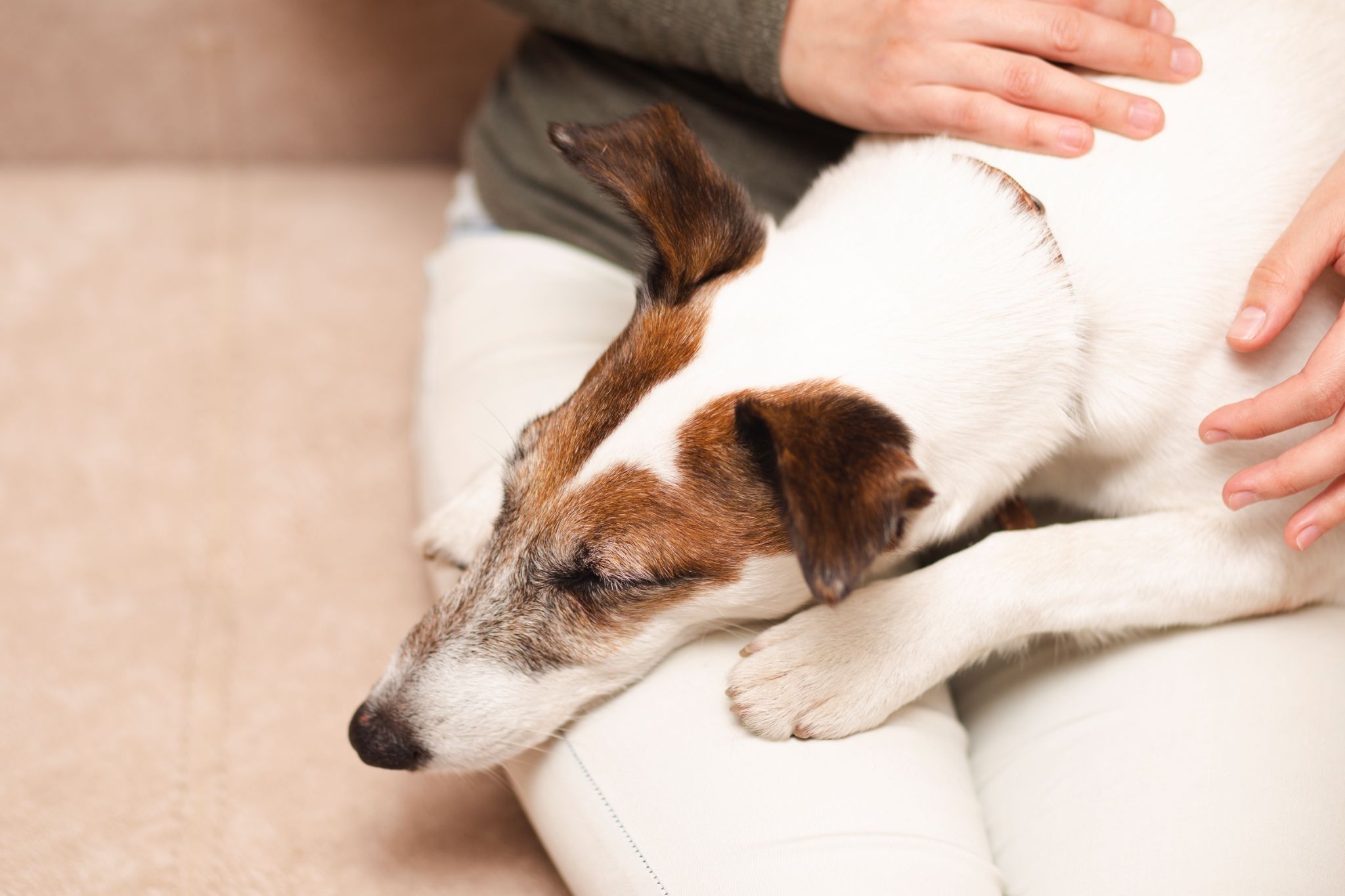
Bedding and Resting Areas
Providing an orthopedic foam bed that distributes pressure evenly across the body reduces the joint compression that builds during extended rest periods and helps minimize the stiffness that dogs with arthritis experience when rising. Beds should be placed in warm and draught-free locations, as cold temperatures increase joint stiffness and discomfort. For dogs with significant mobility limitations, ensuring the bed is at floor level removes the need for jumping that aggravates painful joints during transitions between resting and activity.
Flooring and Mobility Support
Non-slip rugs on smooth floor surfaces give dogs with chronic pain or weakness secure footing during movement and significantly reduce the risk of slipping or falling when navigating the home. Ramps placed at furniture edges and vehicle entry points allow dogs to access their favorite resting spots and continue participating in family activities without the joint impact of repeated jumping. For dogs with significant hind limb weakness, a supportive harness with a rear handle allows owners to provide gentle assistance during transitions from lying to standing without causing strain to themselves or additional discomfort to the dog.
Feeding Station Adjustments
Raising food and water bowls to approximately elbow height reduces the neck and shoulder flexion required during meals, which benefits dogs managing cervical spine pain, elbow arthritis, or front limb weakness. For dogs with significant mobility limitations, ensuring the feeding station is on the same floor level as where they spend most of their time eliminates unnecessary stair use several times per day.
Senior Dog Care and Daily Pain Management
Establishing a Consistent Routine
Consistency supports dogs with chronic pain in a meaningful way. A predictable daily schedule of gentle exercise, meals, rest, and medication reduces unpredictability that can increase anxiety and heighten pain perception. Gentle low-impact walks at consistent times support joint mobility and muscle maintenance without the overexertion that aggravates pain. Shorter and more frequent outings are generally preferable to longer and more demanding sessions for dogs with chronic illness.
A comprehensive approach to senior dog care that incorporates pain management, environmental adjustment, and thoughtful exercise planning is covered in the guide on how to care for a senior dog and improve their quality of life, which provides practical guidance for families managing aging dogs through ongoing health challenges.
Weight Management
Body weight is one of the most significant and modifiable factors in chronic pain management for dogs. Every additional kilogram places measurable additional load on arthritic joints and inflamed tissues. Even modest weight reduction in overweight dogs produces meaningful improvements in mobility and comfort. A veterinarian can establish a healthy target weight and guide a feeding plan that achieves gradual reduction without compromising nutrition or energy levels.
Monitoring and Tracking
Keeping a simple daily log of observations including how easily the dog rises, how willing they are to move, their appetite, sleep quality, and overall mood provides a meaningful tracking record for both the owner and the veterinarian. When a dog has more difficult days than comfortable ones over a sustained period, this pattern is a clear prompt to contact the veterinarian for a pain management review rather than waiting for the next scheduled appointment.
Senior Pet Care Mobile Services for Pain Management
One of the practical challenges of managing chronic pain in dogs is maintaining consistent veterinary contact for monitoring and medication adjustments without the stress and physical demands of repeated clinic visits. For a dog whose pain limits their mobility, the effort of being lifted into a vehicle, transported, and walked through a clinic can be genuinely exhausting and painful in its own right.
Senior pet care mobile services address this challenge directly by bringing veterinary monitoring, medication adjustments, Librela injections, and pain assessments to the dog’s home environment. This approach allows the dog to be examined in the context of their actual daily life, reducing the stress that can alter examination findings, and supports more consistent follow-up than a model requiring clinic travel for every interaction. Dogs receiving senior pet care mobile visits are also observed in the environment where their pain manifests naturally, giving the veterinarian richer information about how the condition is affecting daily function than a brief clinic encounter typically provides. The benefits of at-home vet services for anxious and senior pets outlines in detail how this model supports chronic disease management in older dogs.
When to Seek Veterinary Evaluation for Pain
Certain signs indicate that a dog’s pain management plan needs prompt reassessment rather than waiting for the next scheduled visit:
- A sudden or significant worsening of mobility that is not explained by recent overexertion or a known flare trigger and does not resolve after a day of additional rest at home.
- Crying out, snapping, or showing aggression when touched in areas that were previously well tolerated, suggesting that pain has escalated or that a new area of injury or disease has developed.
- Refusal to eat or drink for more than 24 hours alongside signs of general malaise, which may indicate that pain has reached a level affecting basic function or that medication side effects are contributing to decline.
- New neurological signs including stumbling, loss of coordination, dragging a limb, or sudden inability to rise have developed rapidly rather than gradually over weeks.
A sick visit allows a veterinarian to assess the current pain management plan, adjust medications, and identify whether any new contributing factors have developed since the last evaluation.
Quality of Life in Dogs With Chronic Pain
As chronic illness progresses and pain management becomes more challenging, regular quality of life assessment becomes an increasingly important part of the care plan. A structured evaluation considers pain levels, appetite, mobility, emotional engagement, sleep quality, hygiene, and the overall balance of comfortable versus difficult days. When these assessments consistently show more difficulty than comfort and when adjustments to the management plan are no longer producing meaningful improvement, the conversation may shift toward comfort-focused care.
Understanding what a quality of life exam involves gives families a structured and compassionate framework for this evaluation. For dogs whose pain can no longer be adequately managed, hospice-style care at home focuses on maintaining comfort and dignity through the final stage of life. When suffering persists despite all available management strategies, the guide on signs it may be time to put your dog down offers compassionate guidance for families navigating that deeply personal decision.
Finding the Right Path for Your Dog
Learning how to manage pain in dogs with chronic illness is an ongoing process that evolves as the dog’s condition changes over time. The most effective plans are multimodal, combining appropriate medications with environmental adjustments, targeted supplements, physical support, and consistent veterinary monitoring. What remains constant across all of these approaches is the goal: a dog who experiences more comfortable days than painful ones and who can continue to engage with the people and environment they love.
If your dog is managing chronic pain and you would like a compassionate assessment at home, Comfort Paws Veterinary Care provides personalized pain management planning and monthly at-home treatment visits. Reach out to schedule a consultation and take a meaningful step toward improving your dog’s daily comfort.
Frequently Asked Questions
Q: How do I know if my dog is in chronic pain?
A: Look for stiffness after rest, reluctance to move, behavioral changes such as withdrawal or irritability, and disrupted sleep. Chronic pain develops gradually and is often mistaken for normal aging before a veterinary assessment identifies the underlying cause.
Q: What are the most effective dog pain relief options for chronic conditions?
A: Effective dog pain relief combines NSAIDs, Librela injections, joint supplements, physical rehabilitation, and environmental modifications. No single approach works alone. A veterinarian designs a multimodal plan based on the specific condition and the individual dog’s health history.
Q: Can senior dog care at home help manage pain without medication?
A: Home modifications including orthopedic bedding, non-slip flooring, and ramps meaningfully reduce daily discomfort. Weight management and gentle exercise also help. Most dogs with chronic pain benefit most from combining thoughtful home care with veterinary-prescribed treatment for the best results.
Q: How often should a dog with chronic pain see a veterinarian?
A: Dogs managing chronic pain typically benefit from monitoring every one to three months depending on the condition and stability of the current plan. More frequent contact may be needed during medication changes or periods of worsening pain and discomfort.
Q: What is senior pet care mobile and how does it help dogs with chronic pain?
A: Senior pet care mobile means at-home veterinary services for older pets. It removes clinic travel burden, allows natural-environment assessment, and supports consistent monthly treatments like Librela injections without disrupting the dog’s daily routine or causing additional physical strain.