
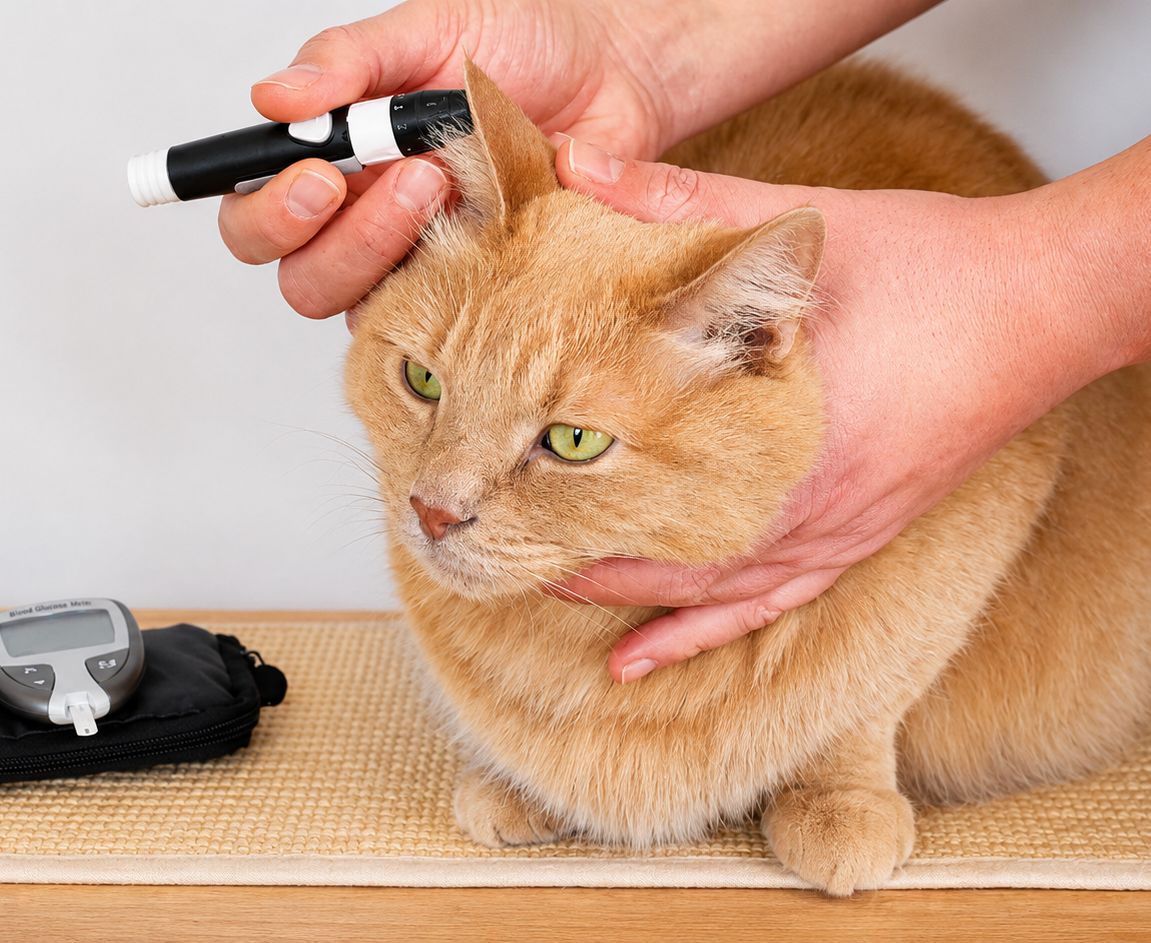
Diabetes is one of the more common hormonal conditions affecting cats, and one of the more treatable when it is caught early. The difficulty is that its first signs are quiet. A cat drinking a little more water, using the litter box slightly more often, or losing weight while still finishing every meal does not look like a cat in trouble. Many owners only recognize the pattern in hindsight, after a diagnosis has already been made.
That gap between the first measurable changes and the moment an owner notices matters more in cats than most people realize. Cats caught early and treated promptly have a genuine chance of achieving diabetic remission, meaning their blood sugar returns to normal and insulin can eventually be stopped. Cats diagnosed late, after the disease has been progressing for months, are far less likely to reach that outcome.
This guide covers the earliest signs worth watching for, how veterinarians confirm the diagnosis, why testing in a calm environment matters for accuracy in cats specifically, and what treatment and monitoring involve once a diagnosis is made.
Table Of Contents
Understanding Diabetes in Cats
What Happens in the Body
Insulin is a hormone produced by the pancreas that allows glucose to move from the bloodstream into the body’s cells, where it is used for energy. In a diabetic cat, either the pancreas is not producing enough insulin or the body’s cells have stopped responding to it properly. Either way the result is the same: glucose accumulates in the blood while the cells that need it are effectively starved.
The body responds in ways that produce the symptoms owners eventually notice. Excess glucose spills into the urine, drawing water with it and causing increased urination. That fluid loss triggers increased thirst. Meanwhile, unable to access glucose for energy, the body begins breaking down fat and muscle instead, which produces weight loss despite a normal or even increased appetite.
Which Cats Are at Higher Risk
Diabetes can affect any cat, but certain factors raise the likelihood considerably.
- Overweight cats carry substantially higher risk, as excess body fat reduces the sensitivity of cells to insulin and is the single most significant modifiable risk factor in feline diabetes.
- Male cats are diagnosed more frequently than female cats, particularly neutered males, though the reason for this difference is not fully established.
- Middle-aged and senior cats are affected far more often than young cats, with most diagnoses occurring in cats over seven years of age.
- Indoor cats with low activity levels face elevated risk, largely because reduced activity contributes to weight gain and insulin resistance over time.
- Cats receiving long-term steroid medication may develop insulin resistance as a side effect, which sometimes resolves when the medication is adjusted.
- Burmese cats show a higher breed-associated risk in some populations, though diabetes remains possible in cats of any breed or mixed heritage.
Recognizing that a cat sits in a higher risk category is useful because it lowers the threshold for investigating vague changes rather than waiting to see whether they resolve on their own.
Early Symptoms of Diabetes in Cats
The symptoms of diabetes in cats develop gradually, which is precisely what makes them easy to normalize. Each change on its own looks minor. Together they form a recognizable pattern.
Increased Thirst
One of the earliest measurable changes is a rise in water consumption. A cat who previously drank modestly may begin visiting the water bowl noticeably more often, drinking for longer, or seeking water from unusual sources such as taps, shower trays, or plant saucers.
This sign is easy to miss in multi-cat households where bowls are shared, and in cats who drink from several locations. A practical approach is to note how often the bowl needs refilling compared with a few months ago. A clear increase without a change in weather, diet, or activity is worth mentioning to a veterinarian.
Increased Urination
Increased drinking produces increased urination, and for many owners the litter box provides clearer evidence. Larger clumps, more clumps per day, or a box that needs changing more frequently than it used to all point in the same direction.
Some cats begin urinating outside the box at this stage, not through behavioral change but because volume and urgency have increased beyond what the box comfortably accommodates. A previously reliable cat who starts having accidents deserves investigation rather than correction.
Weight Loss With a Normal Appetite
This combination is one of the most diagnostically useful early signs. A cat who is eating normally, or even eating more than usual, while steadily losing weight is showing that the calories consumed are not reaching the cells that need them.
Weight loss in a long-haired cat can be surprisingly difficult to see. Running your hands gently along the spine and ribs gives more reliable information than appearance alone. If the vertebrae and ribs feel more prominent than they did a few months ago, that is worth acting on.
It is worth noting that weight loss with a maintained appetite also occurs in hyperthyroidism, which is common in the same age group. Blood testing distinguishes between them, which is one reason a full panel rather than a single value is standard.
Changes in Coat Condition
Cats managing diabetes often groom less thoroughly, and the coat may appear dull, flat, greasy, or unkempt compared with its usual condition. This reflects both reduced energy available for grooming and the metabolic effects of the disease itself. A noticeable decline in coat quality alongside other changes strengthens the case for testing.
Reduced Activity and Lethargy
A cat with untreated diabetes has limited access to usable energy, and reduced activity follows. Owners may notice less jumping, less play, longer periods of sleep, and a general withdrawal from the household activity the cat previously engaged with.
Because these changes are so easily attributed to aging, they are among the most frequently overlooked symptoms of diabetes in cats. The distinction worth drawing is between a cat who is gradually slowing with age and a cat whose energy has changed noticeably over a period of weeks or a few months.
Weakness in the Hind Legs
A more specific and less widely known sign is a change in how a cat walks. Prolonged high blood glucose can damage the nerves supplying the hind limbs, a condition called diabetic neuropathy. The classic presentation is a cat who begins walking with the hocks dropped toward the floor rather than up in their normal position, producing a flat-footed, crouched gait.
This sign indicates that the disease has been present for some time and warrants prompt veterinary attention. Encouragingly, diabetic neuropathy often improves considerably once blood glucose is brought under control.
Recognizing the Pattern
The table below sets out how the main early signs typically present and what is happening underneath them.
Early Sign |
What You May Notice |
Why It Happens |
| Increased thirst | Bowl empties faster, drinking from taps or unusual sources | Fluid loss through urine triggers compensatory drinking |
| Increased urination | Larger or more frequent litter clumps, occasional accidents | Excess glucose in urine draws water with it |
| Weight loss | Spine and ribs more prominent despite normal eating | Body breaks down fat and muscle for energy |
| Coat changes | Dull, greasy, or unkempt appearance | Reduced grooming and metabolic effects |
| Reduced activity | Less jumping and play, more sleeping | Limited usable energy reaching cells |
| Hind leg weakness | Flat-footed or crouched walk, hocks dropped | Nerve damage from prolonged high blood glucose |
No single sign confirms diabetes, and several overlap with other common cat health problems including kidney disease and hyperthyroidism. What raises the index of suspicion is the combination, particularly increased drinking and urination alongside weight loss with a maintained appetite.
How Veterinarians Diagnose Diabetes in Cats
Why One High Reading Is Not Enough
This is the part most relevant to cat owners specifically, and it explains why a diagnosis is rarely made from a single test.
Stress raises blood glucose in cats to a degree that has no real equivalent in dogs. A cat who has been placed in a carrier, driven across the city, and carried into a room full of unfamiliar animal scents can arrive with a glucose reading high enough to look diabetic while being entirely healthy. This is a well recognized phenomenon in feline medicine, and it is the reason no responsible veterinarian diagnoses diabetes from one elevated glucose value in a stressed cat.
The practical consequence is that context matters enormously. A calm cat and an anxious cat can produce meaningfully different numbers on the same day, and interpreting those numbers requires knowing which situation applies.
The Tests Involved
Confirming a diagnosis usually draws on several pieces of information together.
- Blood glucose measurement establishes the current level, though interpretation depends heavily on how settled the cat was at the time of collection.
- Urine testing checks for glucose and ketones in the urine, which is significant because glucose only spills into urine once blood levels have been persistently elevated rather than briefly spiked by stress.
- Fructosamine testing measures average blood glucose over the preceding two to three weeks, making it the single most useful test for distinguishing genuine diabetes from stress-related elevation.
- A full blood panel assesses kidney function, liver health, and thyroid activity at the same time, both to rule out conditions with overlapping signs and to identify anything occurring alongside the diabetes.
Fructosamine is particularly valuable in cats for exactly the reason described above. Because it reflects weeks rather than minutes, a single stressful appointment cannot distort it. When blood glucose is high but fructosamine is normal, stress is the likely explanation. When both are elevated, the picture is far clearer.
Comprehensive diagnostics and bloodwork covering kidney function, liver health, thyroid levels, and diabetes markers allow a veterinarian to assess all of these together rather than in isolation.
Why Home Testing Helps in Cats
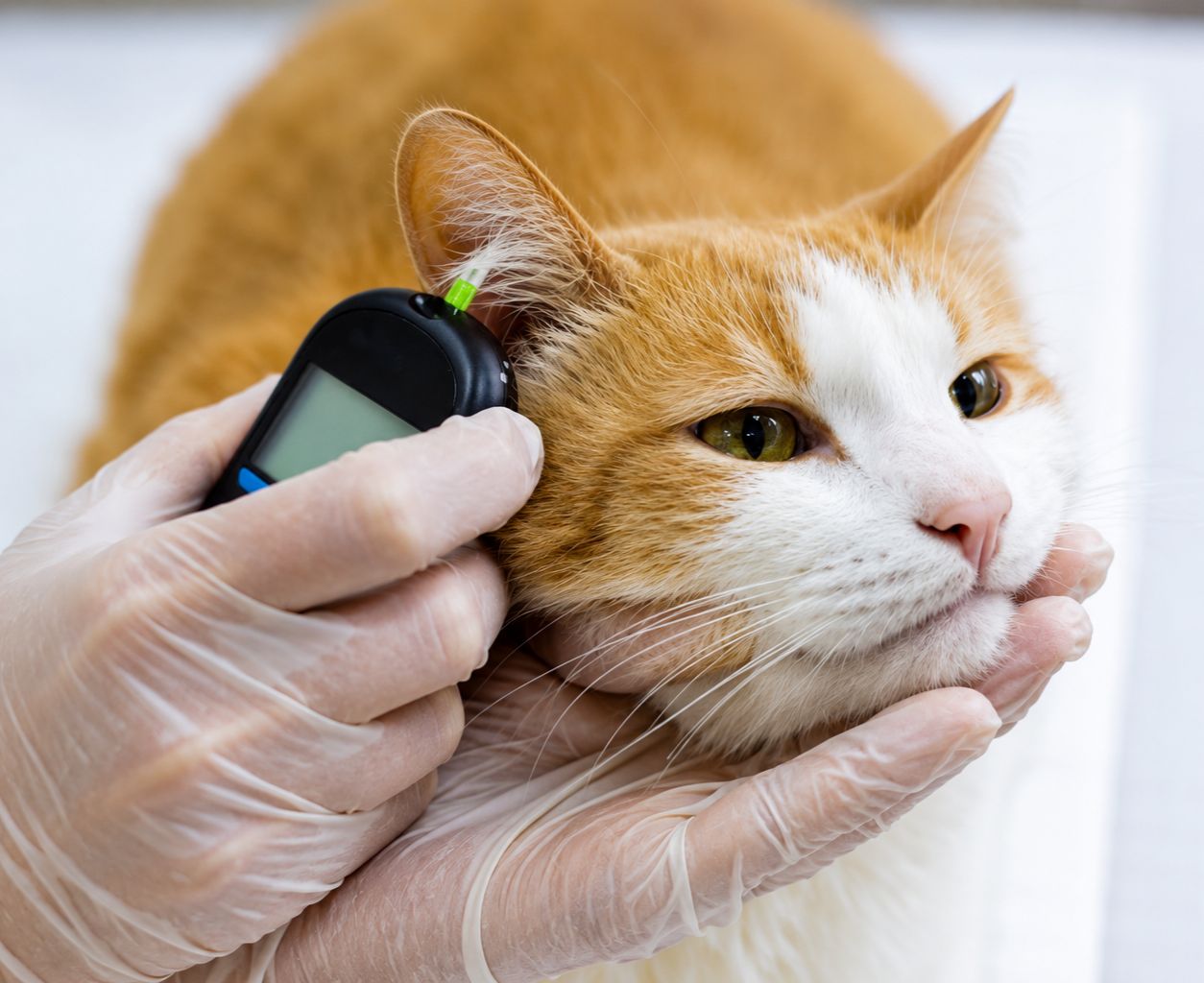
Collecting samples in the cat’s own home removes the carrier journey, the waiting room, and the unfamiliar environment that drive stress hyperglycemia in the first place. The values that come back describe the cat’s actual metabolic state rather than their reaction to the circumstances of collection.
This is the same principle that applies to blood pressure measurement, where a cat whose blood pressure is elevated at the clinic may have perfectly normal blood pressure at home. For a condition where the primary diagnostic marker is directly inflated by anxiety, the advantage is more than comfort. It affects the reliability of the result itself. The broader case for assessing cats in their own environment is set out in the guide on benefits of at-home vet services for anxious pets and busy owners.
Diabetes Cats Treatment
Insulin Therapy
Most diabetic cats require insulin, given as a small injection under the skin, usually twice daily and timed with meals. Owners are often apprehensive about this, and understandably so, but the needles are very fine and the great majority of cats tolerate the injections with little fuss once a routine is established. Many owners find within a couple of weeks that it has become an unremarkable part of the day.
The starting dose is a beginning rather than a final answer. Cats vary considerably in how they respond, and the dose is adjusted over the following weeks based on monitoring results and how the cat is doing clinically.
Dietary Management
Diet is a central component of diabetes cats treatment rather than an optional addition. Cats are obligate carnivores, and diets low in carbohydrate and higher in protein help reduce the glucose load the body has to manage after each meal. Many veterinarians recommend a therapeutic diet formulated for diabetic cats.
Consistency matters as much as content. Feeding similar amounts at similar times each day allows insulin dosing to be matched reliably to food intake. Erratic feeding makes stable regulation considerably harder to achieve.
Weight Management
For overweight cats, gradual and controlled weight loss can meaningfully improve insulin sensitivity and in some cases contributes to achieving remission. The emphasis on gradual matters, because rapid weight loss in cats carries its own serious risks. A veterinarian will set a realistic target and a feeding plan to reach it safely over months rather than weeks.
The Possibility of Remission
Feline diabetes differs from the canine form in an important respect: cats can go into remission. With prompt diagnosis, appropriate insulin therapy, and dietary management, a proportion of cats regain sufficient pancreatic function that insulin can eventually be withdrawn while blood glucose remains normal.
Remission is most achievable when treatment begins early, which is the practical argument for taking those first quiet signs seriously. Cats who spend months with uncontrolled high blood glucose before diagnosis sustain more damage to the insulin-producing cells and are less likely to reach remission. Even cats who achieve it need continued monitoring, as relapse is possible.
Monitoring a Diabetic Cat
What Owners Track at Home
Day to day observation forms a genuinely important part of management, and owners are the ones positioned to provide it.
- Water intake gives a practical indicator of control, as consumption that begins rising again often signals that regulation is slipping before other signs appear.
- Litter box output, including clump size and frequency, provides a similar early warning that is easy to track without special equipment.
- Appetite and weight recorded at regular intervals show whether the treatment plan is achieving stable body condition over time.
- Energy levels and grooming behavior reflect how the cat is doing overall and often improve noticeably once glucose control is established.
Keeping a simple written log rather than relying on memory makes these observations considerably more useful at follow-up appointments, as patterns become visible that day-to-day impressions tend to blur.
Veterinary Monitoring
Follow-up testing is not optional in diabetes management. It is how the insulin dose is refined from a reasonable starting estimate into something matched to the individual cat. This typically involves periodic glucose assessment and fructosamine testing to evaluate control over time.
Because this monitoring is ongoing rather than one-time, the practical ease of arranging it has a real influence on whether it happens as often as it should. At-home appointments remove the journey that upsets the cat and distorts the readings, which addresses both the accuracy problem and the scheduling friction at once.
Alongside diabetes-specific testing, regular wellness examinations track weight, body condition, and the other cat health problems that become more common with age. This kind of routine monitoring for older cats is covered further in the guide on senior cat wellness exams and early disease detection.
Signs That Need Prompt Veterinary Attention
Most of the changes described in this guide warrant a scheduled appointment rather than an urgent one. Some do not. A diabetic or suspected diabetic cat showing any of the following should be seen promptly rather than monitored at home:
- Refusing food for more than 24 hours, which in cats can lead to serious liver complications quickly regardless of the underlying cause.
- Repeated vomiting alongside lethargy, which may indicate a serious diabetic complication requiring immediate assessment.
- Marked weakness, disorientation, or difficulty standing, which can reflect blood glucose that has fallen too low or risen dangerously high.
- Breath with a sweet or unusual smell, particularly alongside lethargy and appetite loss.
- Collapse or unresponsiveness, which requires emergency veterinary care without delay.
For a cat who is unwell but stable, a sick visit allows examination and sample collection to happen in the same appointment.
Acting on What You Notice
The signs that lead to a diabetes diagnosis are rarely dramatic. They are small shifts in drinking, litter box use, weight, and energy that any reasonable owner might attribute to weather, age, or nothing in particular. What makes them worth acting on is the timeline: a cat diagnosed early has a meaningful chance of remission, while a cat diagnosed late usually does not.
If your cat has been drinking more, using the litter box more, or losing weight while eating normally, testing is straightforward and the answer is usually available quickly. Comfort Paws Veterinary Care provides at-home diagnostics and ongoing diabetes monitoring in Brooklyn, with samples analyzed by certified laboratories and results explained clearly alongside practical next steps. Reach out to schedule a consultation to discuss what you have been noticing.
Frequently Asked Questions
Q: How do vets diagnose diabetes in cats?
A: Diagnosis combines blood glucose measurement, urine testing for glucose and ketones, and fructosamine testing, which reflects average glucose over two to three weeks. Fructosamine is especially important in cats because stress alone can raise a single glucose reading.
Q: What are the earliest symptoms of diabetes in cats?
A: The earliest signs are increased thirst, more frequent or larger litter box output, and weight loss despite a normal or increased appetite. Coat quality often declines and activity levels drop before owners recognize the overall pattern.
Q: Can diabetes in cats be cured?
A: Cats can achieve diabetic remission, where blood glucose normalizes and insulin can be stopped. Remission is most likely when treatment begins early. Continued monitoring remains necessary afterward, since relapse is possible even in cats who respond well.
Q: What does diabetes cats treatment usually involve?
A: Treatment typically combines twice-daily insulin injections with a low-carbohydrate, higher-protein diet and controlled weight management. Doses are adjusted over the first weeks based on monitoring results and how the cat is doing clinically.
Q: Why does my cat need repeat testing after diagnosis?
A: The starting insulin dose is an estimate that must be refined for the individual cat. Repeat glucose and fructosamine testing shows whether control is being achieved and allows adjustments before complications develop from over or under dosing.