For decades, the veterinary clinic has been the assumed destination for pet healthcare. The routine of loading a pet into a carrier or onto a back seat, driving to a clinic, waiting among other animals, and then navigating the journey home is familiar to most pet owners even if it is not always easy. As mobile veterinary services have grown in availability and reputation, many families are asking a natural question: how do mobile vets work, and is this a legitimate alternative to the traditional clinic experience?
The answer is yes, and for many pets and families it is not simply an alternative but a meaningfully better approach. A vet that comes to your house provides the same professional medical care as a clinic visit while eliminating the logistical and emotional challenges that make clinic visits difficult for anxious pets, senior animals, and busy households. Understanding exactly how this model works, what it includes, and how it compares to traditional care helps families make an informed decision about the right approach for their pet.
This guide explains the mobile veterinary services model from start to finish, covers what an in home vet visit looks like in practice, outlines how the two approaches differ across key areas of care, and helps owners identify whether at-home veterinary care is the right fit for their pet and circumstances.
Table Of Contents
- 1 What Mobile Veterinary Services Actually Are
- 2 How Mobile Vets Work Compared to a Traditional Clinic
- 3 How the Two Models Differ for Specific Pet Populations
- 4 Mobile Veterinary Services and Chronic Disease Management
- 5 Is a Mobile Vet the Right Fit for Your Pet
- 6 Taking the Next Step Toward Better Pet Care
- 7 Frequently Asked Questions
- 7.1 Q: How do mobile vets work and what do they bring to a home visit?
- 7.2 Q: What can an in-home vet do that a clinic vet cannot?
- 7.3 Q: Are mobile veterinary services available for routine care like vaccinations and bloodwork?
- 7.4 Q: Is a vet that comes to your house as qualified as a clinic vet?
- 7.5 Q: What types of pets benefit most from mobile veterinary services?
What Mobile Veterinary Services Actually Are
The Core Model
Mobile veterinary services operate on a straightforward principle: the veterinarian travels to the client’s home rather than the client traveling to a clinic. The veterinarian brings the equipment needed for the visit in a vehicle, arrives at a scheduled time, conducts the appointment within the home, and departs after completing the examination, treatment, or discussion that the visit was booked for.
This model has existed in large animal veterinary medicine for many years, where farm and equine vets routinely visit animals in the field. Its application to companion animal medicine has grown substantially as technology has made portable diagnostic equipment more accessible and as awareness of the limitations of clinic-based care for anxious or mobility-limited pets has increased.
A mobile veterinarian is a fully qualified veterinary professional who has chosen to deliver care through a home-visit model rather than a fixed clinic. Their medical training, licensing, and standards of care are identical to those of clinic-based veterinarians. What differs is the setting and the experience it creates for the pet and the owner.
What an In Home Vet Visit Looks Like
For families who have not previously used a vet that comes to your house, understanding the practical shape of a home visit helps the appointment feel organized and familiar from the start.
Before the Appointment
Scheduling a mobile veterinary appointment typically begins with an online consultation request or a phone call. The family describes the purpose of the visit, whether it is a routine wellness check, a concern about a specific symptom, a chronic condition follow-up, or an end-of-life conversation, and a time is arranged within the practice’s service area and available hours. Any relevant medical history, current medications, or specific concerns can be shared at this stage to help the veterinarian prepare appropriately.
During the Appointment
The veterinarian arrives at the agreed time with a portable examination kit, diagnostic tools, vaccination supplies, and any medications or treatments discussed in advance. They will spend a few minutes allowing the pet to settle and acknowledge the new presence in their space before beginning the examination. This settling period is one of the practical differences between a home visit and a clinic encounter, where the examination often begins almost immediately after entering the room.
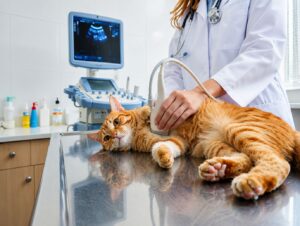
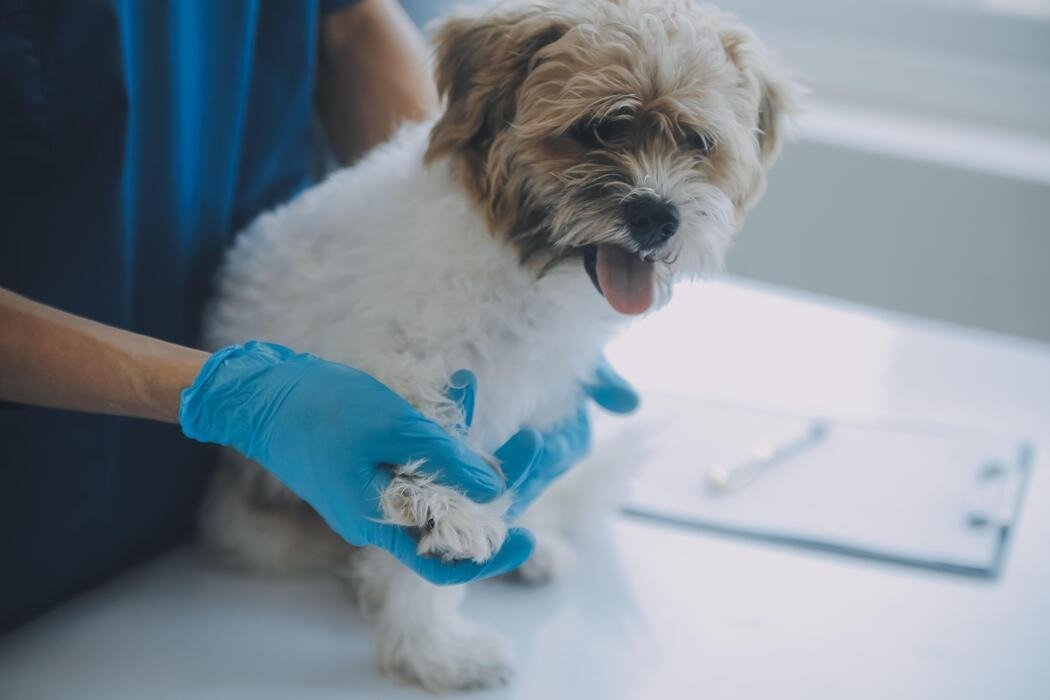
The examination itself covers the same systems as a clinic visit: cardiovascular and respiratory assessment, eyes, ears, oral cavity, skin, coat, abdomen, musculoskeletal function, and neurological responses. The veterinarian discusses findings openly with the owner, answers questions thoroughly, and develops a care plan before concluding the appointment. Because there is no waiting room of other appointments queued behind, home visits typically allow for longer and more unhurried conversations than a busy clinic schedule permits.
After the Appointment
Following the visit, the veterinarian may arrange laboratory processing for any samples collected, provide prescription medications where appropriate, schedule a follow-up visit if needed, and remain available for questions by phone or message. The medical record from the home visit is maintained in the same way as a clinic record, ensuring continuity across appointments.
How Mobile Vets Work Compared to a Traditional Clinic
A Direct Comparison
The table below outlines the key differences between mobile veterinary services and traditional clinic-based veterinary care across the areas that matter most to pet owners.
Feature |
Mobile Veterinary Services |
Traditional Clinic |
| Location | Pet’s home environment | Fixed clinic facility |
| Travel required | Veterinarian travels to the client | Owner travels to the clinic |
| Waiting room exposure | None | Shared space with other animals |
| Stress level for pet | Typically low, familiar environment | Often elevated, unfamiliar environment |
| Appointment duration | Generally longer and more relaxed | Often limited by clinic scheduling |
| Blood pressure accuracy | Higher, reflects true resting state | May be elevated by white coat effect |
| Behavioral observation | Natural home environment | Observed under clinic conditions |
| Infectious disease exposure | None from other clinic patients | Present in shared waiting areas |
| Suitability for anxious pets | High | Variable |
| Suitability for senior or mobility-limited pets | High | Can be physically demanding |
| Procedures requiring specialist equipment | Referred to clinic when necessary | Available on-site |
| End-of-life care | Available at home with full privacy | Available but in clinical setting |
This comparison reflects general patterns. Individual practices vary in what they offer, and a specific clinic or mobile practice may differ from these general characteristics.
What Mobile Veterinary Services Can Provide
A common and understandable question among families considering how mobile vets work for the first time is whether an in-home vet can provide the same range of care as a clinic. The answer is that mobile veterinary services cover the large majority of care that most pets need throughout their lives, with a smaller set of procedures that genuinely require specialized clinic facilities.
Services routinely provided during home visits include:
- Comprehensive physical examinations covering all body systems, performed with the same thoroughness as a clinic-based examination in a setting where the pet is more relaxed and cooperative.
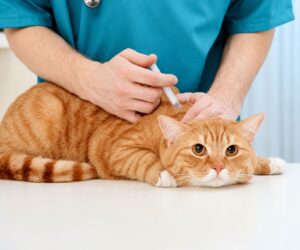
- Vaccination administration for core and lifestyle vaccines, including rabies, distemper, parvovirus, and FVRCP, delivered in the calm home environment without the stressors of clinic waiting rooms.
- General bloodwork and diagnostic panels including routine wellness panels, senior health panels, kidney function, liver health, thyroid levels, and diabetes management, with samples processed through certified laboratories.
- Blood pressure monitoring using veterinary-grade equipment, which produces more accurate readings in a home environment because a cat whose blood pressure is elevated at the clinic may have perfectly normal blood pressure at home.
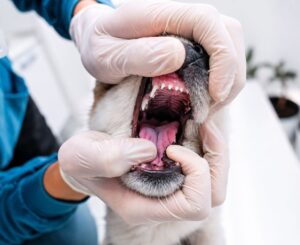
- Dental assessments and oral health evaluations that identify disease, gingivitis, and tooth decay, with treatment recommendations provided and referral arranged for procedures requiring anesthetic facilities.
- Sick visit evaluations for pets who are unwell, covering examination, diagnostics, and treatment planning without requiring a stressed and unwell animal to travel.
- End-of-life care including palliative support, hospice planning, and in-home euthanasia, which is one of the most profound advantages of the home visit model for families facing this stage of their pet’s life.
What Requires a Clinic or Specialist Setting
Mobile veterinary services coordinate referral to clinic facilities or veterinary specialists for procedures that genuinely require fixed equipment or sterile surgical environments. These include dental cleaning under general anesthesia, surgical procedures, MRI and CT imaging, orthopedic surgery, and specialist consultations for complex cases. The in-home vet remains the primary relationship and coordinates any clinic-based referral, ensuring continuity of care throughout.
How the Two Models Differ for Specific Pet Populations
Anxious Pets
For pets with significant anxiety around veterinary visits, the mobile veterinary model often produces a dramatically different experience. The triggers that drive clinic-related anxiety, including car travel, carrier association, unfamiliar smells, proximity to stressed animals, and the unpredictability of a waiting room environment, are entirely absent during a home visit. Pets who become unmanageable at a clinic due to fear frequently cooperate calmly with the same procedures performed at home.
This difference is not simply about comfort. Anxiety-driven behavior directly affects the accuracy of a veterinary examination. A dog who is pulled tight on a lead and trembling cannot have their gait assessed properly. A cat who is pressed into the back of their carrier and growling cannot have their abdomen palpated accurately. Removing the anxiety allows for a more complete and meaningful examination. The benefits of at-home vet services for anxious pets and busy owners explores this in detail.
Senior and Mobility-Limited Pets
For elderly pets managing arthritis, heart disease, chronic pain, or significant weight loss, the physical demands of a clinic visit add unnecessary strain to an already compromised system. Being lifted into a vehicle, kept still during travel, walked across a parking lot, and navigated through a clinic lobby expends energy and causes physical discomfort that may not be immediately visible but is nonetheless real.
A vet that comes to your house removes this physical burden entirely. The pet does not move from their resting spot unless the examination itself briefly requires repositioning. For a senior dog who experiences pain with every movement, or a cat managing heart disease who finds exertion taxing, this difference is a meaningful component of compassionate care rather than simply a convenience. Guidance on supporting aging dogs through this kind of thoughtful approach is available in the article on how to care for a senior dog and improve their quality of life.
Multi-Pet Households
Families with multiple pets often find that managing individual clinic visits for each animal across a busy schedule is genuinely difficult to sustain consistently. A mobile veterinarian can assess several pets during a single scheduled home visit, examining each in turn within their familiar environment and addressing individual concerns for each animal without requiring multiple separate trips to a clinic. This efficiency supports better preventive care compliance in households where the logistical barrier to scheduling individual clinic visits has previously led to delayed or missed appointments.
Mobile Veterinary Services and Chronic Disease Management

Building a Consistent Care Relationship
For pets managing ongoing conditions such as kidney disease, heart disease, arthritis, diabetes, or cognitive dysfunction, mobile veterinary services offer a sustainable and low-stress model for the regular monitoring these conditions require. Rather than disrupting the pet’s routine and wellbeing each time a check-in is needed, a home visit integrates naturally into the household’s rhythm.
This consistency builds a meaningful care relationship over time. A cat or dog who is visited regularly at home by the same veterinarian gradually relaxes with each visit, making examinations progressively easier and more thorough. The veterinarian also develops a detailed understanding of the pet’s natural baseline behavior, movement patterns, and daily habits that enriches every subsequent assessment.
End-of-Life Care at Home
End-of-life care is one of the areas where the difference between mobile veterinary services and traditional clinic-based care is most profound. Quality of life assessments, palliative care guidance, hospice planning, and in-home euthanasia can all be delivered with a level of gentleness, privacy, and personal attention that a clinic environment is structurally unable to provide.
Families who choose a vet that comes to your house for end-of-life care consistently describe the experience as more peaceful, more personal, and more aligned with the dignity their pet deserved than they had expected a veterinary appointment to feel. The pet remains in their own space, surrounded by familiar belongings and the people who have shared their life. There is no waiting room, no travel stress, and no clinical atmosphere. The guide on at-home pet euthanasia services for caring pet owners explains what this experience looks like in full detail for families considering this option.
Is a Mobile Vet the Right Fit for Your Pet
Who Benefits Most
Mobile veterinary services are genuinely suitable for the large majority of companion animals and their families. They are particularly well-suited to:
Pet or Owner Profile |
Why Mobile Veterinary Services Fit Well |
| Anxious cats or dogs | Eliminates clinic-related stress triggers entirely |
| Senior or mobility-limited pets | Removes physical demands of travel completely |
| Pets with chronic conditions | Supports consistent low-stress monitoring |
| Multi-pet households | Multiple pets assessed in one home visit |
| Busy owners with limited scheduling flexibility | Appointment comes to them without transport logistics |
| Families facing end-of-life decisions | Private, unhurried, and familiar setting for sensitive care |
| Pets with compromised immune systems | No exposure to clinic pathogens from other animals |
| Owners wanting longer and more personal appointments | Home visits allow more time and more open conversation |
The most straightforward way to assess whether a mobile in home vet is the right fit for your specific circumstances is to schedule an initial consultation and experience the difference firsthand. Most families who make the switch describe the change in their pet’s demeanor and cooperation during the examination as immediately noticeable.
Taking the Next Step Toward Better Pet Care
Understanding how do mobile vets work removes the uncertainty that can make families hesitant to make the switch from a familiar clinic model. Mobile veterinary services are not a compromise or a limited version of traditional veterinary care. For most pets and families, they are a more accurate, more comfortable, and more consistently accessible approach to the professional veterinary attention their pet deserves throughout their life.
If you are ready to explore a calmer and more personalized approach to your pet’s healthcare, Comfort Paws Veterinary Care provides compassionate at-home veterinary services across Brooklyn, New York. Reach out to schedule a consultation and discover what a difference it makes when care comes to you.
Frequently Asked Questions
Q: How do mobile vets work and what do they bring to a home visit?
A: A mobile veterinarian travels to your home with portable examination equipment, diagnostic tools, vaccination supplies, and medications. They conduct a full physical examination, discuss findings, and develop a care plan in the comfort of your pet’s familiar environment.
Q: What can an in-home vet do that a clinic vet cannot?
A: An in-home vet can observe the pet in their natural environment, assess true resting blood pressure without clinic stress, watch how the pet moves through their own space, and provide end-of-life care with complete privacy. These contextual insights improve diagnostic accuracy meaningfully.
Q: Are mobile veterinary services available for routine care like vaccinations and bloodwork?
A: Yes. Mobile veterinary services cover routine wellness exams, vaccinations, bloodwork panels, blood pressure checks, dental assessments, and chronic condition monitoring. Most preventive and management care a pet needs throughout their life can be delivered effectively during a home visit.
Q: Is a vet that comes to your house as qualified as a clinic vet?
A: Yes. Mobile veterinarians hold the same qualifications, licensing, and professional standards as clinic-based veterinarians. The difference is in the delivery model, not the level of medical training or quality of care provided during the appointment.
Q: What types of pets benefit most from mobile veterinary services?
A: Anxious pets, senior animals, mobility-limited dogs and cats, and pets with chronic conditions benefit most. Multi-pet households and busy owners also find the model significantly more practical. Most companion animals benefit from the calmer environment a home visit provides.