
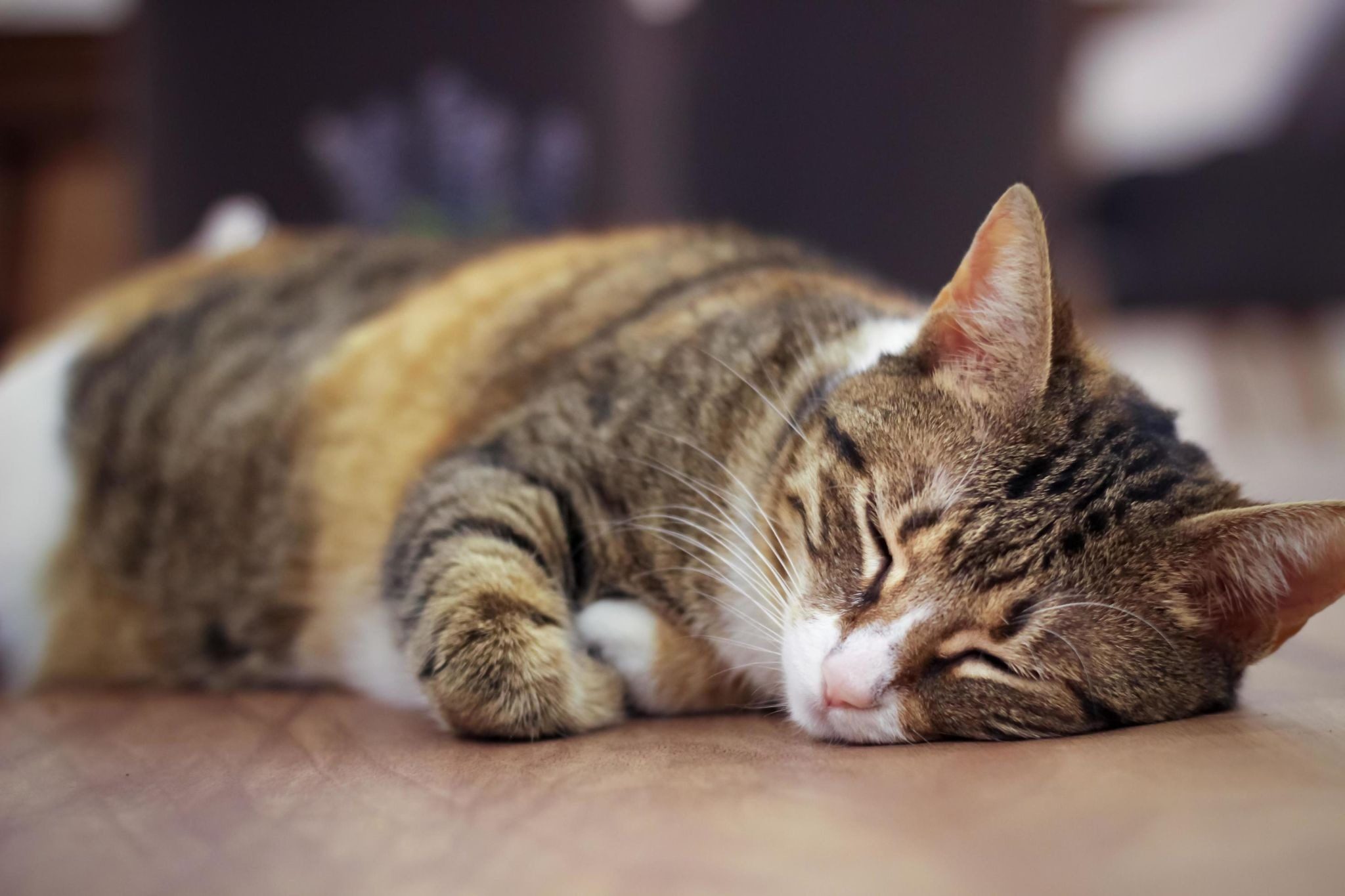
One of the most difficult aspects of caring for an elderly cat is not knowing how much discomfort they are in. Cats are instinctive concealers of pain and vulnerability, and this tendency becomes even more pronounced as they age. An elderly cat can be managing significant suffering without showing the clear outward signs that most owners expect to see before they feel justified in seeking veterinary help. Understanding how do I know if my elderly cat is suffering is one of the most important questions a devoted owner can learn to answer.
The challenge is not a lack of care or attentiveness on the owner’s part. It is the nature of the cat itself. Where a dog might whimper, pace, or seek comfort when in pain, a cat tends to withdraw, become still, and quietly reduce their activity. These responses can look deceptively like peace or simply aging when in reality they reflect a cat who is doing their best to manage discomfort without drawing attention to it.
This guide explores the physical and behavioral signs that indicate an elderly cat may be suffering, explains the conditions most commonly responsible for serious illness in older cats, outlines when a cat checkup becomes urgent rather than optional, and addresses the compassionate end-of-life considerations that families of elderly cats sometimes need to navigate.
Table Of Contents
- 1 Why Elderly Cats Hide Suffering
- 2 Physical Signs That an Elderly Cat May Be Suffering
- 3 Behavioral Signs That an Elderly Cat May Be Suffering
- 4 Common Serious Illnesses in Elderly Cats and Their Signs
- 5 When a Cat Checkup Becomes Urgent
- 6 Assessing Quality of Life in an Elderly Cat
- 7 Considering Pet Euthanasia at Home
- 8 What This Means for Your Cat
- 9 Frequently Asked Questions
- 9.1 Q: How do I know if my elderly cat is suffering from pain?
- 9.2 Q: What does it mean when a senior cat not eating for more than a day?
- 9.3 Q: How often should an elderly cat have a cat checkup?
- 9.4 Q: When should I consider pet euthanasia at home for my elderly cat?
- 9.5 Q: What serious illnesses are most common in elderly cats?
Why Elderly Cats Hide Suffering
The Instinct to Conceal Pain
Understanding why cats hide their suffering makes it easier to recognize the subtle signs when they do appear. In the natural world, showing pain or weakness signals vulnerability to predators. Even in a safe and loving home, this deeply ingrained instinct means that cats rarely seek comfort when they are unwell in the way other companion animals do. They adapt quietly, reducing the activities that cause discomfort, withdrawing from interaction, and managing their environment to minimize pain exposure.
This instinct is well-intentioned from the cat’s perspective but creates a significant challenge for owners trying to assess their pet’s wellbeing. By the time suffering becomes obvious through dramatic signs, a condition may have progressed considerably beyond its early stages. Learning to read the quieter signals is the most meaningful thing an owner of an elderly cat can do.
Why Senior Cats Are at Greater Risk
Cats are generally considered senior from around ten years of age, and geriatric from around fifteen. As cats age, multiple organ systems undergo gradual decline, and the conditions that cause chronic pain and suffering become significantly more prevalent. Kidney disease, hyperthyroidism, arthritis, dental disease, heart disease, and cancer are all substantially more common in older cats than in younger ones.
Many elderly cats manage more than one of these conditions simultaneously, which means their suffering may come from several overlapping sources. A cat with kidney disease and arthritis, for example, is managing both systemic discomfort from organ decline and localized joint pain, each of which compounds the other’s effect on daily quality of life.
Physical Signs That an Elderly Cat May Be Suffering
Unexplained Weight Loss
Weight loss is one of the most clinically significant physical signs in an elderly cat and one of the most reliably associated with underlying illness. A senior cat losing weight even while maintaining a reasonable appetite is showing a pattern that commonly reflects hyperthyroidism, diabetes, or malabsorption conditions. Weight loss accompanied by a reduced appetite more often points to kidney disease, cancer, or advanced systemic illness.
Owners can monitor this at home by gently running their hands along the cat’s spine and ribcage. If the vertebrae and ribs are more prominent than they were previously, or if the muscle mass over the hindquarters feels noticeably thinner, this physical observation supports seeking a prompt veterinary evaluation. A cat who has lost more than ten percent of their body weight deserves a cat checkup without delay.
The guide on what to do when a senior cat is not eating or drinking covers the relationship between appetite loss and weight loss in older cats in detail and explains which combinations of signs are most urgent.
Changes in Coat and Grooming
A cat who was previously meticulous about their coat but now appears dull, matted, greasy, or unkempt is often showing a physical sign of systemic illness or significant pain. Grooming requires both the physical flexibility to reach all areas of the coat and the energy and motivation to invest in self-care. When a cat is suffering from chronic pain, organ disease, or severe fatigue, grooming is one of the first behaviors to decline.
The appearance of the coat serves as a useful general indicator of how a cat is feeling internally. A rapid deterioration in coat quality alongside other changes is a meaningful signal that something significant has shifted in the cat’s health.
Difficulty Moving, Stiffness, or Reluctance to Jump
Physical limitation in movement is one of the more visible signs of suffering in elderly cats and is most commonly associated with arthritis, which affects a significant proportion of cats over ten years of age. A cat who struggles to rise after resting, hesitates before jumping to previously accessible surfaces, moves with noticeable stiffness, or avoids stairs and elevated resting spots may be managing significant joint pain.
Some cats with advanced arthritis stop jumping entirely, settling only on floor-level surfaces and appearing to have simply changed their preferences when in reality they have been forced to adapt by pain. Any sustained change in a cat’s movement patterns or access to their usual spaces warrants evaluation.
Changes in Breathing
Breathing changes in an elderly cat are always a concerning sign. Rapid breathing at rest, labored breathing with visible effort, open-mouth breathing, or breathing that produces audible sounds such as wheezing or crackling can all reflect serious underlying conditions including heart disease, pleural effusion, lung tumors, or respiratory infection. Any breathing change in an elderly cat should prompt a same-day veterinary evaluation rather than a watchful waiting approach.
Visible Physical Changes
Swelling in the abdomen, lumps beneath the skin, discharge from the eyes, nose, or mouth, visible wounds that are not healing, and changes in eye appearance such as cloudiness or unevenness in pupil size are all physical signs that require veterinary attention. Some of these changes develop gradually and may be normalized by owners who see their cat daily, which is why a scheduled cat checkup provides an external and objective assessment of physical changes that can be easy to miss at home.
Behavioral Signs That an Elderly Cat May Be Suffering
Increased Hiding and Withdrawal
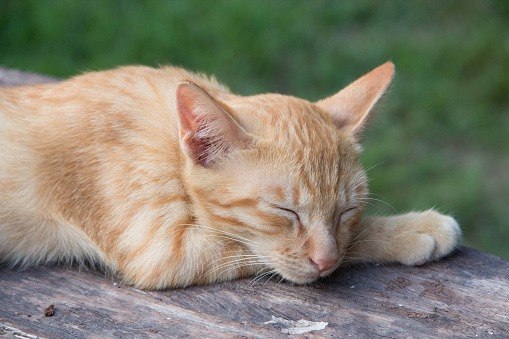
A cat who begins spending significantly more time in hidden locations, under beds, in closets, or in rarely visited rooms, is displaying a behavior strongly associated with illness and pain. Withdrawal from normal social interaction, from resting in shared family spaces, and from activities the cat previously enjoyed are all meaningful behavioral signs that something is affecting the cat’s daily experience.
This behavior is sometimes interpreted as the cat wanting space or privacy, which can be true in certain circumstances. When it represents a sustained change from the cat’s established social habits, particularly in combination with other signs, it reflects a cat who is not well rather than a cat who simply prefers solitude.
Howling, Crying, or Vocalizing at Night
Increased vocalization in elderly cats, particularly during nighttime hours, is commonly linked to pain, cognitive dysfunction, high blood pressure, or hyperthyroidism. A cat who cries out without an obvious trigger, howls repeatedly during the night, or vocalizes in a way that seems distressed or confused is showing a sign that deserves veterinary attention. Understanding senior cat behavior changes that may signal health issues provides helpful context for distinguishing between different types of vocalization and what each commonly reflects.
Refusing Food or Water
A senior cat not eating is one of the most urgent behavioral signs an owner can observe. In cats, food refusal for more than 24 to 48 hours can lead to hepatic lipidosis, a serious liver condition that develops as the body mobilizes fat reserves for energy when food intake stops. A senior cat not eating alongside other signs of illness represents a combination that warrants same-day veterinary evaluation rather than a wait-and-see approach.
Changes in drinking habits are equally important. A cat who is drinking noticeably more than usual may be managing kidney disease, diabetes, or hyperthyroidism. A cat who has stopped drinking and appears dehydrated, with skin that does not spring back quickly when gently lifted, is showing a sign that requires prompt attention.
Changes in Litter Box Habits
Litter box changes in an elderly cat can reflect both physical and cognitive causes of suffering. A cat who strains without producing output, who cries when attempting to urinate or defecate, who produces blood-tinged urine, or who has stopped using the litter box without an obvious behavioral explanation may be managing significant discomfort from a urinary tract condition, constipation, or intestinal disease.
Cats with arthritis often avoid litter boxes with high-sided entry when joint pain makes stepping over the edge uncomfortable. While this can be resolved with a low-entry box, it is still worth noting as a sign that the cat is managing physical discomfort that may be more pervasive than the litter box behavior alone suggests.
Common Serious Illnesses in Elderly Cats and Their Signs
The table below summarizes the most frequently diagnosed serious conditions in elderly cats and the behavioral and physical signs most commonly associated with each.
Condition |
Common Signs |
Urgency |
| Chronic kidney disease | Increased thirst and urination, weight loss, reduced appetite, lethargy | High |
| Hyperthyroidism | Weight loss despite maintained appetite, restlessness, increased vocalization | Moderate to High |
| Dental disease | Reluctance to eat, drooling, facial sensitivity, dropping food | Moderate |
| Arthritis | Stiffness, reduced jumping, litter box avoidance, reduced grooming | Moderate |
| Heart disease | Labored breathing, exercise intolerance, lethargy, reduced appetite | High |
| Cancer | Weight loss, lumps, lethargy, changes in eating or elimination | High |
| Diabetes | Increased thirst and urination, weight loss, changes in gait | Moderate to High |
| Cognitive dysfunction | Disorientation, nighttime vocalization, litter box confusion, personality changes | Moderate |
More detailed information about one of the most prevalent of these conditions is available in the guide on kidney failure in cats and when to see your vet, which explains how kidney disease progresses and what signs should prompt urgent evaluation.
When a Cat Checkup Becomes Urgent
Signs That Require Prompt Evaluation
A routine cat checkup is recommended for elderly cats every six months regardless of whether any specific concerns have been identified. However, certain signs call for evaluation well before the next scheduled visit:
- A senior cat not eating for more than 24 hours without a clear temporary cause such as a recent vaccination or mild digestive upset that has already begun to resolve.
- Visible breathing difficulty, open-mouth breathing, or rapid breathing at rest that does not resolve within a few minutes in a cool and quiet environment.
- Any episode of collapse, sudden weakness, inability to stand, or loss of coordination that has developed without a clear physical explanation.
- Facial or abdominal swelling that has appeared recently or has been growing over a period of days to weeks.
- Blood in the urine, stool, or vomit that is not explained by a known and managed condition.
The Value of At-Home Cat Checkups for Elderly Cats
For elderly cats who find travel stressful or who are managing significant mobility limitations, an at-home cat checkup provides a gentler alternative to clinic-based evaluation. Being assessed in a familiar environment reduces the anxiety that can distort findings such as blood pressure readings, as a cat whose blood pressure is elevated at the clinic may have perfectly normal blood pressure at home. It also allows the veterinarian to observe the cat moving naturally through their own space, which provides meaningful information about mobility, orientation, and daily habits that a brief clinical encounter cannot replicate.
The benefits of at-home vet services for anxious and senior pets outlines how this approach supports more accurate assessments and a more comfortable experience for older and medically fragile cats.
Assessing Quality of Life in an Elderly Cat
Using a Structured Framework
When an elderly cat is managing serious illness, the question of quality of life becomes increasingly central to care decisions. Rather than relying solely on emotional impression, a structured quality of life assessment evaluates specific domains including pain levels, appetite, hydration, mobility, hygiene, emotional engagement, and the overall ratio of comfortable days to difficult ones. This framework helps families and veterinarians make informed decisions about treatment adjustments, palliative care, and end-of-life planning.
Understanding what a quality of life exam involves helps families approach this conversation with a clear and organized framework rather than navigating it purely on emotion during what is already a difficult time.
Monitoring Day to Day
Keeping a simple daily log of observations, including appetite, water intake, litter box use, grooming, mobility, and interaction with family members, helps both owners and veterinarians track changes over time. A pattern of more difficult days than comfortable ones is one of the clearest indicators that quality of life has declined to a point where a more serious conversation about care direction is warranted.
Considering Pet Euthanasia at Home
When Comfort Becomes the Primary Goal
There comes a point in the management of some serious illnesses when treatment can no longer restore meaningful comfort and the focus shifts entirely to preventing suffering. For families who have been managing an elderly cat’s illness over a long period, this transition can be both a relief and one of the most painful moments of their relationship with their pet.
Pet euthanasia at home is the most compassionate option many families choose when this point arrives. It allows the cat to pass peacefully in the environment where they have always felt safest, without the additional stress of travel, unfamiliar surroundings, or proximity to other anxious animals. The family can be present throughout, moving at their own pace in a private and familiar space. Guidance on recognizing when this decision is appropriate is available in the resource on when to euthanize a cat with terminal illness.
What Pet Euthanasia at Home Involves
The process begins with a sedative injection that allows the cat to relax fully and drift into a peaceful sleep before the final medication is given. This ensures the cat experiences no fear or distress during the procedure. Families are encouraged to remain close, speaking gently and offering touch throughout. The atmosphere is unhurried and entirely focused on the cat and family’s comfort.
Aftercare options including private cremation, communal cremation, and memorial keepsakes can be arranged in advance so that families do not need to make these decisions in the immediate aftermath of the appointment. The guide on at-home pet euthanasia services for caring pet owners explains the full process in detail and helps families feel as prepared as possible before the appointment.
For elderly cats in the final stages of illness who are not yet at the point of euthanasia, hospice care for cats with chronic illness focuses on maximizing comfort and minimizing suffering through the final period of life with personalized and gentle veterinary support.
What This Means for Your Cat
Knowing how do I know if my elderly cat is suffering is not about finding a single dramatic sign. It is about learning to read the quieter language of a species that does not ask for help directly. Weight loss, changes in grooming and appetite, withdrawal, litter box changes, and shifts in mobility or vocalization are all part of that language. Each observation is a piece of information that, taken together, tells the story of how an elderly cat is truly feeling.
Acting on these signs early, through a timely cat checkup and honest conversations with a veterinarian, gives families the best opportunity to manage their cat’s condition effectively and ensure their remaining time is as comfortable and connected as possible.
If you are concerned about your elderly cat and would like a gentle and compassionate evaluation at home, Comfort Paws Veterinary Care is here to help. Reach out to schedule a consultation and give your elderly cat the attentive and dignified care they deserve.
Frequently Asked Questions
Q: How do I know if my elderly cat is suffering from pain?
A: Key signs include withdrawal from interaction, reluctance to move, changes in grooming, reduced or absent appetite, vocalization, and litter box avoidance. Because cats hide pain instinctively, subtle behavioral changes are often more reliable indicators than obvious distress.
Q: What does it mean when a senior cat not eating for more than a day?
A: A senior cat not eating for over 24 hours warrants same-day veterinary attention. Prolonged food refusal can lead to hepatic lipidosis quickly in older cats. It also commonly signals underlying illness including kidney disease, dental pain, or cancer.
Q: How often should an elderly cat have a cat checkup?
A: Cats over ten years of age benefit from wellness evaluations every six months. More frequent monitoring is recommended for cats managing diagnosed chronic conditions. Regular checkups allow early detection of new or worsening illness before signs become serious or difficult to manage.
Q: When should I consider pet euthanasia at home for my elderly cat?
A: Pet euthanasia at home is worth considering when a cat’s suffering can no longer be adequately managed and quality of life has significantly declined. A veterinary quality of life assessment helps families make this decision with clarity, compassion, and professional guidance.
Q: What serious illnesses are most common in elderly cats?
A: The most prevalent serious conditions in elderly cats include chronic kidney disease, hyperthyroidism, dental disease, arthritis, heart disease, diabetes, and cancer. Many elderly cats manage more than one condition simultaneously, which is why regular monitoring and prompt evaluation of new symptoms are especially important.