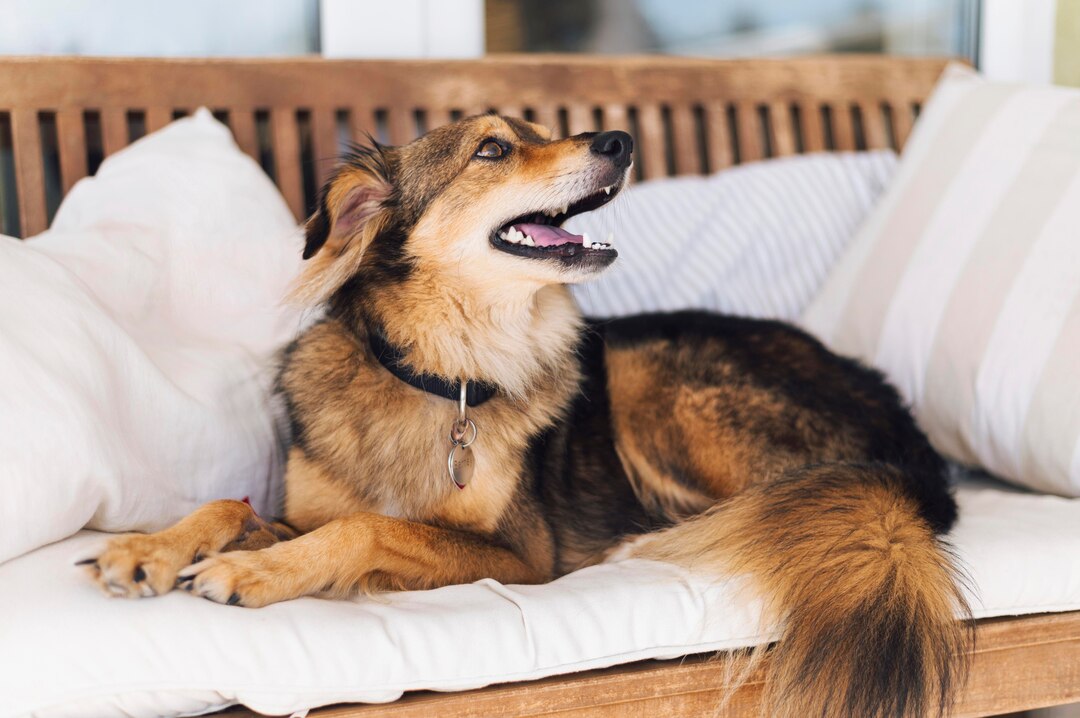
As our dogs grow older, they rely on us more than ever for comfort and care. It can be frightening to wake up and find your senior dog panting heavily in the middle of the night, unable to settle down. Many pet owners worry when this sudden restlessness appears without warning. Understanding why is my senior dog panting at night is the first step toward providing them the comfort and care they deserve.
Panting is a natural and necessary bodily function for dogs, helping them regulate body temperature. However, when it occurs persistently at night, especially in senior dogs, it can signal an underlying issue that requires attention. This comprehensive guide will explore the common causes behind nighttime panting in older dogs, help you identify potential problems, and provide practical strategies to ensure your aging companion rests peacefully.
Table Of Contents
Understanding Normal vs. Abnormal Panting in Dogs
Before delving into potential problems, it’s crucial to differentiate between normal and abnormal panting. Normal panting is usually shallow, rapid, and often accompanied by an open mouth and slightly protruding tongue. It primarily serves to cool the body down, as dogs don’t sweat like humans do.
Normal panting might occur:
- After exercise or play
- In warm weather or a hot environment
- When excited or mildly stressed (e.g., vet visits, car rides)
Abnormal panting, especially in senior dogs, might be:
- Excessively loud or deep
- Accompanied by other signs like restlessness, whining, coughing, or lethargy
- Persistent even in cool, calm environments
- Starting suddenly or worsening over time
If you’re observing abnormal panting, particularly frequently at night, it’s a clear signal that something might be amiss.
Medical Reasons Why Your Senior Dog Is Panting at Night
When you find yourself asking, “why is my senior dog panting at night?” It’s often a sign that a medical condition is at play. Older dogs are susceptible to a range of health issues that can manifest as nighttime panting or other breathing problems.
1. Heart Disease and Respiratory Issues
Cardiovascular conditions, such as congestive heart failure, are common in senior dogs. A failing heart struggles to pump blood efficiently, leading to fluid buildup in the lungs (pulmonary edema). This fluid makes breathing difficult, especially when lying down, causing increased panting, coughing, and restlessness at night. Similarly, chronic bronchitis, laryngeal paralysis, or even certain types of lung cancer can impair respiratory function.
2. Pain and Discomfort
Chronic pain is a significant, yet often subtle, cause of nighttime panting. Arthritis, a common ailment in senior dogs, can cause significant joint pain, making it difficult to find a comfortable sleeping position. Other sources of pain, such as dental disease, back problems, or even internal organ discomfort, can cause dogs to pant as a way to cope with their distress. The quiet of the night can make these pains more pronounced, leading to restlessness and panting.
3. Cognitive Dysfunction Syndrome (CDS)
Often referred to as “doggy dementia,” Canine Cognitive Dysfunction Syndrome is a neurological condition similar to Alzheimer’s in humans. Senior dogs with CDS can experience disorientation, changes in sleep-wake cycles, anxiety, and altered interactions. Increased nighttime activity, pacing, and panting are common symptoms, as pets may feel confused or anxious in the dark or quiet environment.
4. Kidney Disease or Other Organ Failure
As kidneys decline, they become less effective at filtering waste products from the blood. This can lead to a buildup of toxins that make dogs feel unwell, causing nausea, restlessness, and increased panting. Liver disease, diabetes, or other endocrine disorders (like Cushing’s disease, which causes an overproduction of cortisol) can also lead to changes in metabolism and body temperature regulation, resulting in excessive panting.
5. Cancer
Unfortunately, cancer becomes more prevalent as dogs age. Depending on its location, a tumor can cause pain, obstruct airways, or lead to systemic illness that results in panting and discomfort, especially at rest.
6. Medications
Some medications commonly prescribed for senior dogs can increase thirst, urination, and panting. If your dog has recently started a new medication and exhibits increased nighttime panting, discuss this with your veterinarian.
Non-Medical Causes of Nighttime Panting in Senior Dogs
While medical conditions are often the primary concern, other non-medical factors can contribute to panting in dogs at night.
1. Heat and Environment
Even if you don’t feel warm, your senior dog might. Their ability to regulate body temperature can decrease with age, and a thick coat or being overweight can exacerbate this. A room that feels comfortable to you might be too warm for your dog, especially if they are nestled in a cozy bed or heavy blankets. Ensure their sleeping area is cool and well-ventilated.
2. Stress and Dog Anxiety
Senior dogs can develop anxiety for various reasons, including changes in their routine, environment, or the loss of a companion. As mentioned, CDS can also contribute to heightened anxiety. For some, the quiet of the night itself can be anxiety-inducing, leading to pacing, whining, and increased panting. Thunderstorms, fireworks, or even loud noises from outdoors can trigger a stress response.
3. Nightmare or Disorientation
Just like humans, dogs can experience dreams or nightmares. A particularly vivid or disturbing dream might cause them to wake up suddenly, panting, and distressed. Similarly, if a dog with CDS wakes up disoriented, the confusion can trigger an anxious panting episode.
How to Help Your Senior Dog Rest Better at Night
Addressing the question, “why is my senior dog panting at night?” requires a multi-faceted approach. Here’s how you can help your companion find peace and comfort:
1. Consult Your Veterinarian Promptly
If your senior dog is regularly panting at night, the absolute first step is a veterinary visit. A thorough examination, which may include blood tests, X-rays, or even an ultrasound, is crucial to diagnose any underlying medical conditions. Early diagnosis and treatment are key to managing chronic conditions like heart disease or arthritis effectively.
Our at-home vet services can be particularly beneficial for anxious pets or those with mobility issues, providing a stress-free examination in their familiar environment.
2. Optimize Their Sleeping Environment
- Keep it Cool: Ensure the room temperature is comfortable, ideally on the cooler side. Provide a cooling mat or a fan, but avoid direct drafts.
- Comfortable Bedding: Offer an orthopedic bed that supports their aging joints. Make sure it’s accessible and in a quiet, safe spot. Consider different types of beds to see what they prefer.
- Night Lights: For dogs with CDS, a soft night light can help with disorientation.
- Quiet Space: Minimize external noises that might disturb them.
3. Manage Pain and Discomfort
If arthritis or other pain is identified, your vet might prescribe anti-inflammatory medications, joint supplements, or recommend physical therapy. Maintaining a healthy weight is also vital to reduce stress on joints. Providing a comfortable, supportive bed can make a significant difference.
Learn more about how to care for a senior dog and improve their quality of life.
4. Address Anxiety and Cognitive Decline
For senior dogs with anxiety or CDS:
- Establish Routine: Maintain a consistent daily schedule for feeding, walks, and bedtime to reduce confusion and anxiety.
- Gentle Exercise: Short, gentle walks during the day can help tire them out without overexerting them.
- Mental Stimulation: Offer puzzle toys or short training sessions to keep their minds active during the day.
- Medication/Supplements: Your vet might suggest anxiety medication, pheromone diffusers, or supplements like L-theanine or melatonin. Sometimes, specific diets formulated for cognitive health can also help.
- Calming Techniques: Gentle massage, soft music, or a familiar comforting scent can aid relaxation.
5. Hydration and Nutrition
Ensure your dog has constant access to fresh water throughout the day and even during the night, especially if panting increases their thirst. A balanced diet appropriate for senior dogs supports their overall health and can help manage conditions like kidney disease or diabetes. Discuss any dietary changes with your veterinarian.
6. Regular Wellness Checks
Proactive care is paramount for senior pets. Regular wellness exams allow your veterinarian to monitor their health, detect early signs of age-related diseases, and adjust treatment plans as needed. These preventative measures can often catch issues before they become severe, helping manage things like breathing problems before they significantly impact nighttime comfort.
When to Seek Emergency Veterinary Care
While this article primarily focuses on chronic causes, some instances of panting require immediate emergency attention:
- Extreme, sudden, or labored panting where your dog struggles to breathe.
- Blue-tinged gums or tongue.
- Collapse or extreme weakness.
- Severe coughing, especially with foam or blood.
- Inability to settle down with extreme restlessness.
These symptoms suggest a critical condition, such as severe heart failure, heat stroke, or choking, and warrant an immediate trip to an emergency veterinary clinic.
Conclusion
Watching your senior dog struggle with nighttime panting can be distressing for any pet owner. By understanding the potential causes, from medical conditions like heart disease and arthritis to non-medical factors such as anxiety or an uncomfortable environment, you can take proactive steps to alleviate their discomfort. Remember, an aging pet often requires a little extra patience and tailored care. Early veterinary assessment is critical to rule out serious health issues and establish an effective management plan.
If you’re noticing your senior dog panting at night and are seeking compassionate, personalized care in the comfort of your home, Comfort Paws Veterinary Care is here to help. Our mobile veterinarian services provide thorough examinations and thoughtful treatment plans. Contact us for a consultation to ensure your beloved companion receives the gentle care they need to rest peacefully through their golden years. We understand the unique needs of senior pets and are dedicated to improving their quality of life, even offering guidance on at-home pet euthanasia services when that difficult time arrives, to ensure a dignified and peaceful farewell.
FAQs
Q: Why is my old dog panting heavily at night for no apparent reason?
A: Heavy panting in senior dogs at night can be a sign of discomfort, pain, anxiety, or an underlying medical condition. It’s crucial to observe other symptoms and consult a vet to rule out serious issues.
Q: What medical conditions cause excessive panting in senior dogs during sleep?
A: Senior dogs can pant excessively due to conditions like Cushing’s disease, heart disease, respiratory problems (like laryngeal paralysis), anemia, or even neurological issues. A veterinary check-up is essential for diagnosis.
Q: How can I tell if my senior dog’s nighttime panting is due to pain?
A: If your senior dog is panting due to pain, you might also notice restlessness, difficulty getting comfortable, limping, reluctance to move, or vocalization. Observe these accompanying signs and consult your vet.
Q: Is it normal for senior dogs to pant more as they age?
A: While some increase in panting can be normal with age due to decreased heat regulation, excessive or new onset nighttime panting is not typical and warrants veterinary investigation. It often indicates an underlying health concern.
Q: What should I do if my senior dog starts panting uncontrollably at night?
A: If your senior dog is panting uncontrollably, especially if accompanied by other distress signals like weakness, coughing, or pale gums, seek immediate veterinary attention. This could be a sign of a serious emergency.