Many pet owners wonder what is a quality of life exam for dogs and how it can guide important decisions about comfort, mobility, and long-term wellbeing. As dogs age or develop chronic illness, their needs shift toward maintaining comfort, reducing pain, and protecting dignity. A quality of life exam helps families understand how their pet is coping physically and emotionally, offering a structured way to evaluate daily challenges. These exams are especially helpful for senior pets, chronically ill dogs, or pets nearing the final stages of life.
Veterinarians use quality of life exams as part of broader pet wellness care, hospice discussions, and comfort-focused planning. The goal is not only to identify medical concerns but also to understand how your dog feels each day. Whether your pet struggles with osteoarthritis, blindness, or chronic renal disease, these evaluations provide clarity and emotional support. By using established tools such as the quality-of-life scale or HHHHHMM, a veterinarian helps families determine when adjustments, comfort measures, or even a compassionate hospice plan may be needed.
Understanding what a quality of life exam includes empowers owners to support their pets with love and intention. It ensures thoughtful decision-making during one of the most emotional stages of pet ownership.
Table Of Contents
- 1 Why Quality of Life Exams Are Important for Senior and Chronically Ill Pets
- 2 What Happens During a Quality of Life Veterinary Exam
- 3 Understanding the HHHHHMM Quality-of-Life Scale
- 4 Common Conditions That Affect Quality of Life
- 5 Mobility Changes and Their Impact on Comfort
- 6 Emotional Wellbeing and Daily Happiness
- 7 How Quality of Life Exams Support Hospice Planning
- 8 How Families Can Use a Quality-of-Life Scale at Home
- 9 Conclusion
- 10 FAQs
Why Quality of Life Exams Are Important for Senior and Chronically Ill Pets
Aging dogs experience many physical and cognitive changes. Senior pets may face declining mobility, hearing loss, dental disease, or chronic conditions that affect daily comfort. Conditions such as blindness, deafness, overweight/obesity, or cancer can also limit a dog’s ability to enjoy life as they once did.
Quality of life exams offer a structured way to understand these changes. Instead of guessing how your dog feels, families receive guidance based on veterinary evaluation. These exams ensure that pets receive support tailored to their health, comfort, and emotional needs.
Common reasons families seek quality of life exams:
- Understanding advanced age-related changes helps families recognize when comfort declines and additional support or veterinary guidance becomes necessary for their senior dog.
- Navigating chronic illnesses like chronic renal disease requires careful monitoring to maintain comfort, identify changes early, and adjust care plans thoughtfully.
- Evaluating dog mobility challenges from osteoarthritis allows families to understand pain levels, adjust the home environment, and improve daily comfort.
- Managing appetite or hydration concerns helps prevent discomfort, identify potential illness progression, and support overall quality of life for aging dogs.
- Assessing happiness and engagement provides insight into emotional wellbeing, helping families determine whether their dog still enjoys daily activities and interaction.
- Receiving emotional guidance for end-of-life decisions supports families during difficult moments and ensures choices prioritize dignity, comfort, and compassionate care.
These exams are supportive, compassionate, and designed to help families make informed choices about long-term care, treatment adjustments, or when to consider euthanasia as a humane option.
What Happens During a Quality of Life Veterinary Exam
Many pet owners ask what is a quality of life exam for dogs from a practical standpoint. During an at-home visit, the veterinarian gently evaluates multiple aspects of your pet’s daily life.
An exam may include:
- Pain evaluation and mobility assessment
- Review of appetite, hydration, and energy levels
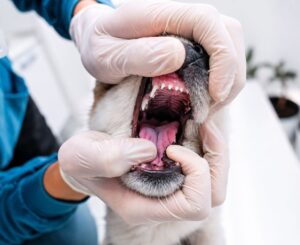
- Examination for dental disease or chronic illness signs
- Discussion about bathroom habits, including changes related to chronic renal disease
- Assessment of mental engagement, comfort, and happiness
- Review of medications and supportive measures
- Guidance for a personalized hospice plan if needed
We perform these evaluations at home where dogs are relaxed. This low-stress environment allows for clearer observation of natural behavior, especially for senior pets who may become anxious in clinics.
Understanding the HHHHHMM Quality-of-Life Scale
One of the most widely used tools in quality of life evaluations is the HHHHHMM scale, which stands for:
Hurt: Assesses pain levels from conditions like osteoarthritis, cancer, or dental disease. Pain relief is central to maintaining comfort.
Hunger: Evaluates appetite changes. Poor appetite may signal illness progression or discomfort.
Hydration: Dehydration is common in chronic renal disease or advanced illness. Hydration difficulties decrease quality of life.
Hygiene: Some senior pets struggle to keep themselves clean due to mobility issues or illness.
Happiness: Looks at emotional wellbeing. Is your dog still enjoying interactions, toys, or affection?
Mobility: Dog mobility affects independence. Painful or limited movement significantly impacts daily comfort.
More good days than bad: One of the most meaningful categories. Families reflect on weekly patterns to understand overall wellbeing.
This scale helps families understand whether comfort-focused adjustments, supportive care, or hospice guidance is needed.
Common Conditions That Affect Quality of Life
Senior dogs and chronically ill pets often face multiple overlapping conditions. Understanding how these issues affect daily comfort helps families make thoughtful decisions.
Osteoarthritis
Osteoarthritis causes stiffness, chronic pain, and reduced mobility, making it difficult for senior dogs to stand, walk, climb, or move comfortably each day.
Chronic Renal Disease
Chronic renal disease leads to dehydration, appetite changes, and nausea, requiring careful hydration monitoring to maintain comfort and prevent further health decline.
Cancer
Cancer reduces energy, appetite, and overall comfort, making pain management and supportive care essential for maintaining daily wellbeing in affected senior pets.
Blindness or Deafness
Blindness or deafness creates sensory confusion and anxiety, so predictable routines and calm environments help senior dogs feel secure and supported.
Dental Disease
Dental disease causes significant oral pain, reducing appetite and increasing irritability, making regular monitoring important for maintaining comfort and wellness.
Overweight/Obesity
Overweight or obesity increases strain on joints, worsens mobility issues, and contributes to discomfort, making weight management essential for healthier daily movement.
A quality of life exam considers each condition and how they interact. The goal is to evaluate the whole dog, not just their medical diagnosis.
Mobility Changes and Their Impact on Comfort
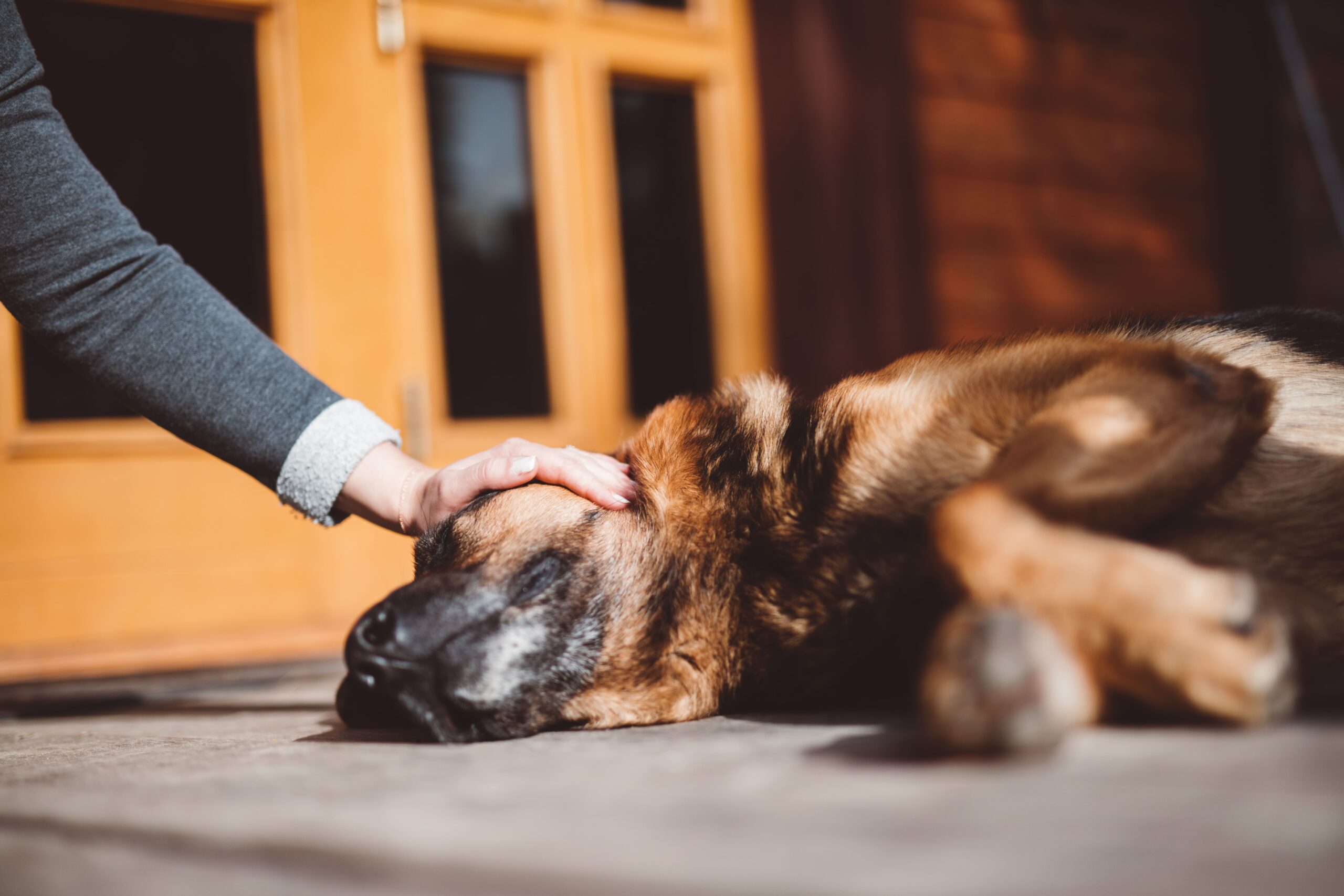
Declining mobility significantly affects quality of life. Dogs with osteoarthritis or weakness may struggle to move easily around the home. Family members often notice slowing walks, difficulty standing, or increased time resting. Ways to support mobility:
- Encourage gentle, low-impact movement
- Provide secure walking surfaces
- Use non-slip rugs to prevent falls
- Offer soft bedding to reduce pressure on joints
Veterinary guidance helps determine whether additional comfort measures or hospice planning may support your dog’s final stages more effectively.
Emotional Wellbeing and Daily Happiness
Emotional comfort is just as important as physical health. A dog who no longer enjoys daily activities may be signaling that quality of life is declining. Key signs of emotional decline include:
- Withdrawal from family
- Decreased interest in play or affection
- Anxiety, restlessness, or confusion
- Increased sleeping
These changes can stem from cognitive decline, chronic illness, or pain. Quality of life exams help families recognize these signs and adjust care accordingly.
How Quality of Life Exams Support Hospice Planning
When conditions progress to a point where cure is no longer possible, families may consider a hospice plan. Hospice focuses on comfort, symptom management, and emotional support. It allows dogs to remain at home in a peaceful, familiar setting.
Quality of life exams guide hospice conversations by helping families understand when supportive care is enough and when humane euthanasia may be the kindest decision.
Comfort Paws Vet provides compassionate at-home guidance for families navigating these emotional moments. Their focus is on dignity, comfort, and minimizing suffering.
How Families Can Use a Quality-of-Life Scale at Home
Families often want a simple and consistent way to monitor their dog’s daily comfort. A quality of life scale or dog quality of life calculator helps owners evaluate changes over time, offering guidance without replacing professional veterinary exams.
By tracking appetite, pain levels, mobility around the home, bathroom habits, interest in family interaction, and sleep patterns, owners can identify meaningful trends in their dog’s wellbeing. Using these tools also helps families communicate more clearly with their veterinarian, supporting thoughtful, compassionate decision-making.
Conclusion
Understanding what is a quality of life exam for dogs gives families the clarity and confidence needed to support aging pets with compassion. These evaluations help assess dog mobility, emotional wellbeing, medical comfort, and long-term needs.
Whether your dog faces chronic illness or age-related decline, a quality of life exam guides gentle decisions, hospice planning, and meaningful daily support. For compassionate in-home guidance during your pet’s senior years, contact Comfort Paws Veterinary Care to schedule a supportive quality of life evaluation.
FAQs
- What is a quality of life test for a dog?
A quality of life test helps evaluate a dog’s comfort, appetite, mobility, hydration, and happiness. Veterinarians use tools like the HHHHHMM scale to assess daily wellbeing and guide families in planning compassionate support, hospice considerations, or humane end-of-life decisions.
- What happens at a quality of life vet appointment?
During the appointment, the veterinarian evaluates pain, mobility, appetite, hydration, hygiene, and emotional state. They discuss chronic conditions, review medications, and help families understand overall comfort. This information supports decisions about supportive care, hospice planning, or when euthanasia may be appropriate.
- What is the quality of life checklist for pets?
A quality of life checklist uses categories like Hurt, Hunger, Hydration, Hygiene, Happiness, Mobility, and More good days than bad. Families score each area to understand their pet’s wellbeing. The checklist supports ongoing communication with your veterinarian about comfort and care needs.
- What is a dog quality of life calculator?
A dog quality of life calculator helps families track patterns in mobility, appetite, pain, energy, and happiness. It offers a structured, repeatable method for understanding comfort levels over time and works alongside veterinary exams to support compassionate, informed decision-making.