Watching your beloved canine companion suddenly start limping can be a distressing experience. One minute they’re active and playful, and the next they’re favoring a paw or struggling to put weight on a leg. A dog limping all of a sudden is more than just an inconvenience; it’s a clear signal that something is amiss and requires immediate attention.
As pet owners, our natural instinct is to worry. Understanding the potential causes behind sudden dog limping and identifying crucial warning signs can help you respond appropriately and ensure your pet receives the care they need. From minor sprains to more serious underlying conditions, prompt action can make a significant difference in your dog’s comfort and recovery. This comprehensive guide will walk you through what to observe, when to be concerned, and how to help your dog feel better.
Table Of Contents
Understanding Lameness in Dogs
Lameness in dogs refers to any deviation from a normal gait, often characterized by limping, difficulty bearing weight, or reluctance to move. It can range from mild, intermittent favoring of a limb to complete inability to use a leg. The severity and duration of the lameness can provide important clues about its cause.
It’s important to remember that dogs are masters at hiding pain. What might seem like a minor limp could indicate significant discomfort or injury. Observing your dog closely, especially when they are at rest and when they are trying to move, is key to understanding the situation.
Common Causes of Sudden Limping
A sudden limp can stem from a variety of issues, ranging from external injuries to internal skeletal or neurological problems. Understanding the typical culprits can help you narrow down possibilities, though a professional veterinary diagnosis is always essential.
Paw or Nail Injuries
Often, the simplest explanation is found at the source: your dog’s paw. These areas are constantly exposed to the ground and vulnerable to injury.
- Cut Paws or Pad Injuries: Walking on sharp objects like glass, thorns, or rough terrain can cause cuts, punctures, or abrasions to sensitive paw pads. These injuries can be incredibly painful and often lead to immediate lameness.
- Broken or Torn Nails: Nails can get caught on carpets, furniture, or rough surfaces, leading to breaks or tears. Ingrown nails are also a common and painful problem.
- Foreign Objects: Small stones, burrs, splinters, or even matted fur between the toes can cause significant irritation and pain, making your dog lift their paw or limp.
- Burns or Frostbite: Extreme temperatures can damage paw pads, leading to pain and limping.
Sprains, Strains, and Fractures
Just like humans, dogs can experience muscle sprains, ligament strains, or even fractures from sudden movements, falls, or impacts. High-energy dogs or those engaged in active play are particularly susceptible.
Muscle Strains: Overstretching or tearing a muscle can cause acute pain and limping.
Ligament or Tendon Sprains: Injuries to the connective tissues around joints, such as the crucial anterior cruciate ligament (ACL) in the knee, are common and can result in severe lameness.
Fractures or Luxations: A broken bone (fracture) or a dislocated joint (luxation) is a serious injury that will almost certainly cause immediate and severe dog limping all of a sudden.
Insect Bites, Stings, or Allergic Reactions
An often-overlooked cause of sudden limping can be an unwelcome encounter with an insect. A bee sting, spider bite, or other insect bite on a paw can cause localized swelling, pain, and itching, leading to your dog favoring the affected limb.
Arthritis or Joint Disease Flare-ups
While arthritis is typically a chronic condition that develops gradually, a sudden flare-up, perhaps due to overexertion or a change in weather, can manifest as acute limping, especially in senior pets. Dogs with existing joint conditions may suddenly become more painful.
Tick-Borne Diseases
Certain tick-borne diseases, like Lyme disease, can cause sudden, shifting lameness that moves from one joint to another. If you live in an area with high tick populations and notice lameness along with other symptoms like lethargy or fever, this could be a possibility.
Less Common but Serious Causes
In some cases, sudden lameness can be a symptom of more serious underlying conditions, such as:
Bone Cancer: Especially in older, large-breed dogs, bone tumors can cause pain and limping.
Neurological Issues: Problems with the spinal cord or nerves can sometimes present as sudden hind leg weakness or lameness.
Immune-Mediated Diseases: Conditions where the immune system attacks joint tissues can lead to inflammation and pain.
Key Warning Signs to Observe
When your dog starts limping, careful observation is critical. The details you provide to your veterinarian will be invaluable for an accurate diagnosis. Look for these specific warning signs:
- Severity of the Limp: Is it a slight favor, or is your dog completely refusing to put weight on the limb? A non-weight-bearing limp is typically more urgent.
- Swelling or Redness: Check the affected paw or limb for any signs of swelling, redness, or heat. This can indicate inflammation, infection, or injury.
- Pain Upon Touch: Gently palpate the leg from the paw up to the hip/shoulder. Does your dog react with pain, yelp, or try to pull away when you touch a specific area? Be cautious, as a painful dog may snap.
- Visible Injury: Examine the paw pads, between the toes, and the nails for any cuts, punctures, foreign objects, or broken nails.
- Changes in Behavior: Is your dog lethargic, unwilling to play, irritable, or hiding? These are all signs of pain or discomfort.
- Fever: Take your dog’s temperature if you suspect illness. A normal canine temperature ranges from 101 to 102.5 degrees Fahrenheit.
- Vocalization: Whining, whimpering, or crying when moving or when the affected limb is touched can indicate significant pain.
- Muscle Tremors or Twitching: In some cases, muscle spasms can accompany pain or injury.
- Loss of Appetite: Pain can often lead to a decrease in hunger.
What You Can Do Immediately (and What to Avoid)
Upon noticing your dog limping all of a sudden, your first instinct might be to panic. Stay calm and follow these steps:
Do:
- Restrict Activity: Prevent your dog from running, jumping, or putting further stress on the injured limb. Confine them to a small, safe area.
- Gentle Examination: Carefully and gently examine the paw and leg for visible injuries, swelling, or foreign objects. If your dog shows any signs of aggression or severe pain, stop immediately.
- Check Paw Pads and Nails: Look closely at the paw pads for cuts, splinters, or punctures. Check each nail for breaks or signs of trauma. This is a common location for a paw injury.
- Contact Your Vet: Even if the limp seems minor, it’s always best to contact your veterinarian for advice. They can help you determine the urgency and whether an immediate visit is required.
Don’t:
- Administer Human Pain Relievers: Never give your dog human medications like ibuprofen, acetaminophen, or aspirin without veterinary guidance. Many human pain relievers are toxic to dogs and can cause severe side effects.
- Force Movement: Do not force your dog to walk or play. This could worsen an existing injury.
- Ignore It: Hoping the limp will just go away on its own is not a responsible approach. Early intervention often leads to better outcomes.
When to Seek Veterinary Care
While some mild limps might resolve with rest, it’s crucial to know when to seek professional veterinary attention. Given that your dog is limping all of a sudden, a prompt evaluation is usually recommended, especially if you notice any of these more concerning signs:
- Severe Pain: If your dog is crying, yelping, or showing aggression due to pain.
- Visible Deformity: Any obvious unnatural angle, swelling, or bone protruding.
- Excessive Bleeding: While a small cut can bleed, excessive or persistent bleeding requires immediate attention.
- Lasts More Than a Few Hours: If the limping doesn’t improve significantly after a few hours of rest.
- Worsening Over Time: If the limp becomes more severe or other symptoms develop.
- Other Illness Symptoms: If the limping is accompanied by fever, lethargy, loss of appetite, or vomiting.
For many pet owners, especially those with anxious pets or mobility challenges, the thought of transporting a distressed, limping dog to a clinic can be daunting. This is where veterinary home visits become invaluable, offering a peaceful assessment in a familiar environment.
The Veterinary Examination and Diagnosis
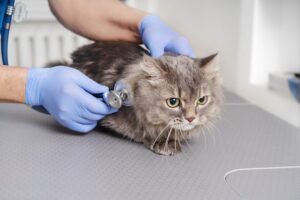
When you bring your dog to the vet (or when the vet visits your home), they will perform a thorough physical examination, focusing on the musculoskeletal system. This often includes:
- Observation: Watching your dog walk, stand, and sit.
- Palpation: Gently feeling the bones, muscles, and joints for swelling, pain, heat, or instability.
- Range of Motion: Assessing how far each joint can move without discomfort.
- Neurological Exam: If a neurological cause is suspected.
- Depending on their findings, your veterinarian may recommend diagnostic tests such as:
- X-rays: To check for fractures, dislocations, or signs of arthritis or bone tumors.
- Blood Tests: To check for infection, inflammation, or tick-borne diseases.
- Ultrasound: For soft tissue injuries or joint fluid analysis.
- Advanced Imaging (MRI/CT scans): In complex cases, especially involving the spine or subtle soft tissue damage.
Treatment and Recovery
Treatment for a limping dog will vary widely depending on the underlying cause. It could involve:
- Rest and Activity Restriction: The most common initial recommendation.
- Pain Management: Medication to reduce pain and inflammation.
- Antibiotics: For infections.
- Bandaging or Splinting: To stabilize injuries.
- Surgery: For fractures, severe ligament tears (like ACL ruptures), or tumor removal.
- Physical Therapy: To aid recovery and strengthen affected limbs.
Throughout the recovery process, consistent communication with your vet and adherence to their instructions are crucial. Remember that a full recovery takes time and patience.
Conclusion
A sudden limp in your dog is a clear indicator that something needs your attention. By carefully observing your dog’s behavior, checking for key warning signs, and knowing when to seek professional help, you can ensure your beloved companion receives the prompt and compassionate care they deserve. Whether it’s a minor paw injury or a more complex issue causing the lameness in dogs, early diagnosis and treatment are paramount for a fast and comfortable recovery.
If your dog is limping all of a sudden and you’re concerned about their comfort or the stress of a clinic visit, consider the convenience and personalized care offered by Comfort Paws Veterinary Care. Our compassionate team provides at-home veterinary services, ensuring your pet can be examined and treated in their familiar environment. Don’t hesitate to reach out for a consultation; we’re here to support you and your pet’s well-being through every stage of their health journey.
FAQs
What should I do if my dog starts limping suddenly?
If your dog suddenly starts limping, the first step is to gently examine their paw and leg for any visible injuries, swelling, or foreign objects. If you can’t identify the cause or if the limping is severe, contact your veterinarian for advice or an immediate appointment.
Why would a dog suddenly start limping for no obvious reason?
Sudden limping without an obvious injury can be caused by various factors, including minor sprains, muscle strains, insect stings, a hidden thorn, or even early signs of an underlying orthopedic issue like arthritis. Sometimes, the pain source is not immediately visible.
Can a dog’s limping go away on its own?
Mild limping due to a minor strain or bruise might resolve on its own with rest over a day or two. However, if the limping persists, worsens, or is accompanied by pain, swelling, or an inability to bear weight, veterinary attention is crucial to prevent further complications.
When should I be concerned about my dog’s sudden limping?
You should be concerned if your dog is limping severely, crying out in pain, refusing to put weight on the leg, if there’s visible swelling or an open wound, or if the limping doesn’t improve within 24-48 hours. Any sudden onset of lameness warrants a vet visit.