As cats enter their senior years, subtle changes in health can occur that are easy to miss without proper monitoring. Older cats are more vulnerable to illnesses like kidney disease, hyperthyroidism, arthritis, and dental complications.
This is where a comprehensive senior cat wellness exam plays an indispensable role, acting as the cornerstone for early disease detection and ensuring a high quality of life during their golden years.
Table Of Contents
- 1 The Importance of Age-Appropriate Veterinary Care
- 2 What Constitutes a Senior Cat?
- 3 Core Components of a Senior Cat Wellness Exam
- 4 Detecting Common Senior Cat Ailments Early
- 5 The Benefits of Home-Based Senior Cat Wellness Exams
- 6 Proactive Senior Cat Care Beyond the Vet Visit
- 7 When Decisions Become Difficult
- 8 Conclusion
- 9 FAQs
The Importance of Age-Appropriate Veterinary Care
Cats are masters at hiding signs of illness, a trait rooted in their survival instincts. In the wild, showing weakness makes them vulnerable. In our homes, this means symptoms often go unnoticed until a condition is advanced. For senior cats, typically those aged 7 and above, this ability to mask discomfort is even more pronounced.
Regular, thorough wellness exams are critical because they allow veterinarians to uncover subtle changes that might otherwise be missed. This early detection can significantly impact treatment outcomes, often leading to more effective and less invasive interventions, ultimately extending their lifespan and enhancing their comfort.
What Constitutes a Senior Cat?
While the definition can vary slightly, most veterinary professionals consider cats to be senior from around 7 to 10 years of age, and geriatric from 11 years onward. However, age is not just a number; it’s also about physiological changes. During their senior years, cats experience a gradual decline in organ function, immune system efficiency, and metabolic processes. Their bodies don’t recover as quickly, and they become more prone to chronic conditions. Recognizing this shift is the first step toward providing age-appropriate care that addresses these specific vulnerabilities.
Core Components of a Senior Cat Wellness Exam
A senior cat wellness exam is far more extensive than a routine check-up for a younger feline. It’s designed to cast a wide net, looking for the earliest indicators of age-related diseases. The components typically include:
Comprehensive Physical Examination
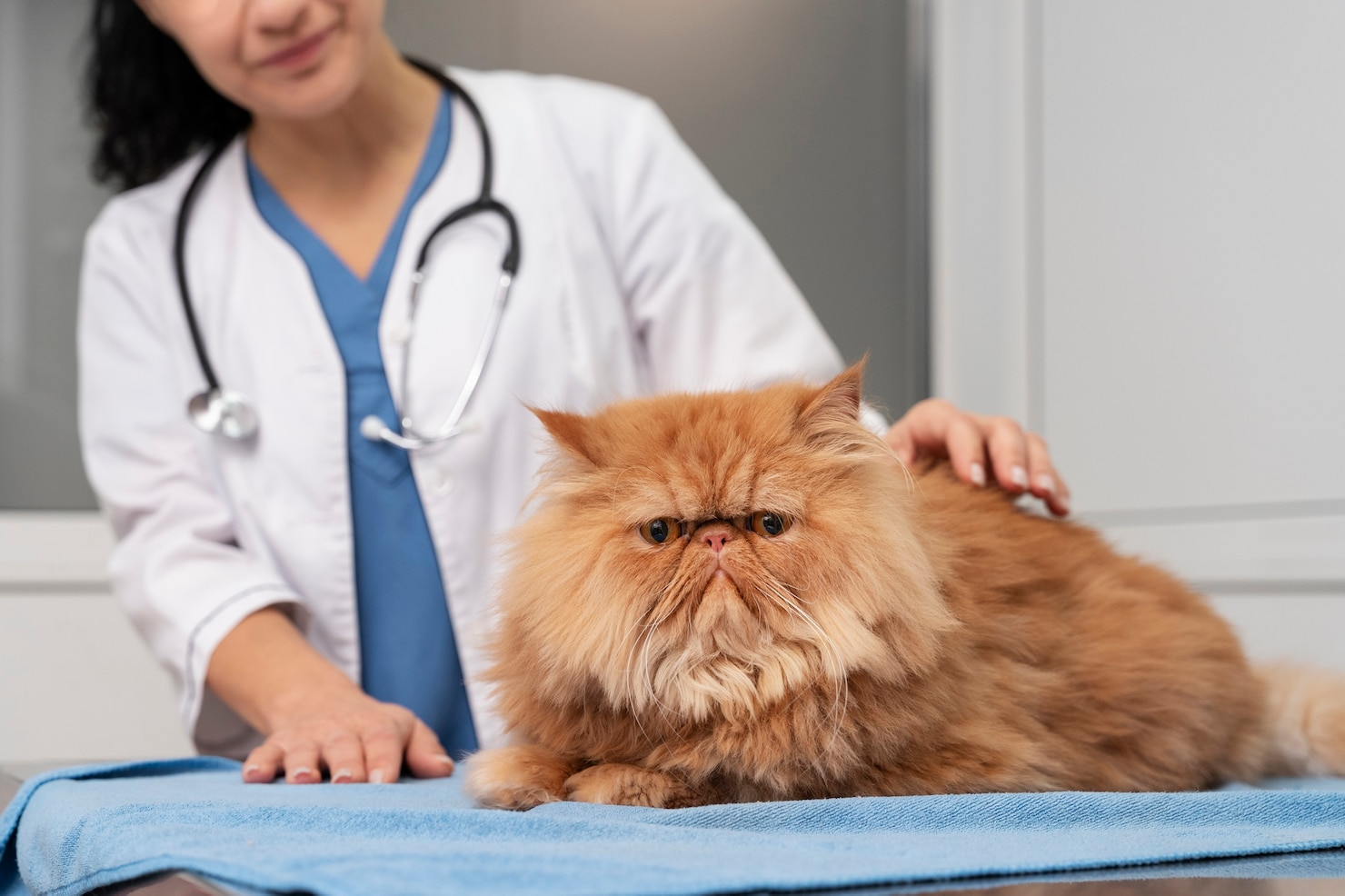
This is the foundation of any good wellness exam. The veterinarian will conduct a head-to-tail assessment, carefully palpating the cat’s body. Key areas of focus will involve:
- Oral Health: Checking for dental disease, gingivitis, and tooth decay, which are incredibly common and can lead to systemic health problems.
- Joint and Mobility Assessment: Evaluating for signs of arthritis or other orthopedic issues, observing gait, and checking for pain on palpation of joints. Mobility issues can severely impact a senior cat’s quality of life.
- Weight and Body Condition Scoring: Monitoring for undesirable weight loss or gain. Weight loss can indicate underlying diseases like hyperthyroidism or kidney disease, while obesity contributes to diabetes and joint strain.
- Coat and Skin Condition: Looking for unusual lumps, skin lesions, excessive shedding, or changes in coat texture that might suggest metabolic issues or pain preventing grooming.
- Eyes and Ears: Checking for cataracts, glaucoma, retinal degeneration, signs of infection, or hearing loss.
- Abdominal Palpation: Feeling for organ enlargement, masses, or discomfort.
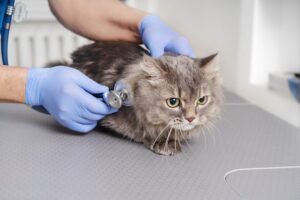
- Cardiovascular and Respiratory Systems: Listening to the heart and lungs for murmurs, arrhythmias, or abnormal breathing sounds. Regular cat blood pressure monitoring is also crucial for senior cats, as hypertension is often linked to kidney disease and hyperthyroidism.
Advanced Diagnostic Tests for Senior Cats
Beyond the physical exam, specific diagnostic tests are essential for early detection, as they can reveal problems long before any outward symptoms appear. These tests are part of a thorough senior cat wellness exam protocol:
- Complete Blood Count (CBC): Evaluates red blood cells, white blood cells, and platelets. It can identify anemia, infections, inflammation, and certain blood disorders.
- Chemistry Panel: Measures various enzymes, proteins, and electrolytes. It provides crucial information about organ function, including the kidneys, liver, and pancreas, and can detect conditions like diabetes.
- Thyroid Hormone Levels (T4): Hyperthyroidism is extremely common in older cats. This test measures thyroid hormone levels, allowing for early diagnosis and management before severe complications arise.
- Urinalysis: Assesses kidney function, hydration status, and can detect urinary tract infections, diabetes, and other metabolic issues. It’s a critical tool for detecting kidney disease early.
- Blood Pressure Measurement: As mentioned, cat blood pressure is a vital component. High blood pressure (hypertension) can damage the kidneys, heart, brain, and eyes. Monitoring it is key for proactive senior cat care.
- Fecal Examination: Checks for intestinal parasites, which can affect nutrient absorption and overall health, especially in immunocompromised senior pets.
Optional or Recommended Tests: Depending on the cat’s specific health profile and preliminary findings, imaging like X-rays (to check for arthritis, heart enlargement, or tumors) or ultrasound (for a more detailed view of internal organs) might be recommended. Further specialized blood tests, such as fructosamine (for diabetic monitoring) or proBNP (for heart disease screening), might also be advised.
Detecting Common Senior Cat Ailments Early
The proactive nature of a senior cat wellness exam focuses on identifying the silent onset of conditions prevalent in older felines:
- Kidney Disease: One of the most common ailments. Early signs include increased thirst and urination. Blood tests (BUN, creatinine, phosphorus) and urinalysis are vital. Newer markers like SDMA can detect kidney disease even earlier than traditional markers.
- Hyperthyroidism: Often presents with weight loss despite a good appetite, increased activity, and a poor coat. A T4 blood test is diagnostic.
- Diabetes Mellitus: Can cause increased thirst, urination, and weight loss. Blood glucose and fructosamine levels, along with urinalysis, help diagnose and manage this condition.
- Arthritis/Osteoarthritis: Causes pain and reduced mobility, often leading to changes in litter box habits or reluctance to jump. While difficult to diagnose definitively with blood tests, physical exams and X-rays are helpful.
- Dental Disease: Affects nearly all senior cats to some degree. Infections and pain from dental issues can lead to systemic disease and impact appetite.
- Hypertension (High Blood Pressure): Often secondary to kidney disease or hyperthyroidism, but can also occur independently. Regular cat blood pressure checks can flag this before it causes organ damage.
- Cancer: Early detection of lumps during physical exams, or subtle changes on bloodwork or imaging, can be life-saving. A quality of life exam for dogs (and cats) helps owners understand options for ongoing care or end-of-life considerations when cancer is severely impacting their pet.
The Benefits of Home-Based Senior Cat Wellness Exams
For many senior cats, the stress of a traditional clinic visit can be immense. The unfamiliar smells, sounds, and presence of other animals can elevate their heart rate and blood pressure, potentially skewing diagnostic results or making a thorough examination difficult. This is where at-home veterinary services, like those offered by Comfort Paws, become invaluable, especially for a senior cat wellness exam.
In a familiar environment, senior cats are typically more relaxed, allowing for a more accurate physical assessment and less stressful collection of blood and urine samples. This serene setting is particularly beneficial for monitoring conditions sensitive to stress, such as cat blood pressure. Removing the travel component also benefits pet owners, especially those with busy schedules or mobility challenges. This personalized attention in their home promotes a calm, fear-free veterinary experience, which is crucial for maintaining the trust and well-being of anxious or frail senior pets.
Proactive Senior Cat Care Beyond the Vet Visit
The senior cat wellness exam is just one part of a holistic approach to senior cat care. As pet owners, there are many ways we can contribute to their ongoing health and happiness:
- Nutrition: Provide a high-quality, age-appropriate diet, potentially one formulated for senior cats with adjusted protein, phosphorus, and fat levels to support organ health.
- Hydration: Ensure constant access to fresh water. Consider water fountains or adding water to their food to encourage intake, especially if kidney disease is a concern.
- Environment: Make adjustments to their living space. Provide easily accessible litter boxes with low sides, comfortable resting spots, ramps for jumping, and soft bedding to support aching joints.
- Mental Stimulation: Keep them engaged with gentle play, puzzle feeders, and plenty of social interaction. This helps maintain cognitive function and prevents boredom.
- Grooming: Senior cats may struggle to groom themselves effectively due to arthritis or other pains. Regular brushing helps prevent matting and allows you to check for lumps or skin issues.
- Observation: Be vigilant for subtle changes in behavior, appetite, thirst, litter box habits, or activity levels. These small shifts can be early indicators of a new health problem. Keep a journal to track these changes to share with your veterinarian during the next senior cat wellness exam.
When Decisions Become Difficult
Sometimes, despite all our efforts, our senior cats reach a point where their quality of life significantly diminishes. Discussing these difficult moments with a compassionate veterinarian is crucial. Services like at-home pet euthanasia allow pets to pass peacefully in their most cherished environment, surrounded by loved ones. Engaging in a thoughtful discussion about their condition and prognosis is part of responsible senior cat care and a testament to the bond we share.
Conclusion
Optimizing the health and well-being of our aging feline friends hinges on regular, comprehensive senior cat wellness exams and proactive senior cat care. These regular check-ups, coupled with essential diagnostic tests for early disease detection, provide the best chance for timely intervention and improved quality of life. From monitoring cat blood pressure to assessing organ function, every step is vital in giving them the happy, comfortable golden years they deserve.
If you have a senior cat and are considering the benefits of a low-stress, in-home senior cat wellness exam, we encourage you to reach out to Comfort Paws Veterinary Care for a consultation. Our compassionate mobile vets are dedicated to providing personalized care right in the familiar environment of your home.
FAQs
Q: How often should a senior cat have a wellness exam
A: Senior cats, generally those over 7-10 years old, should have a wellness exam at least once a year. Many veterinarians recommend twice a year for early detection of age-related diseases that can progress quickly.
Q: What does a senior cat wellness exam typically include?
A: A senior cat wellness exam typically includes a thorough physical examination, blood work (CBC and chemistry panel), urinalysis, and often blood pressure measurement. Your vet will also discuss diet, dental health, and any behavioral changes.
Q: Why are wellness exams more important for senior cats?
A: Wellness exams are crucial for senior cats because they are more susceptible to age-related conditions like kidney disease, arthritis, hyperthyroidism, and dental issues. Early detection and intervention can significantly improve their quality of life and longevity.
Q: What are common signs of illness in senior cats?
A: Common signs of illness in senior cats include changes in appetite or thirst, weight loss or gain, lethargy, vomiting, diarrhea, difficulty jumping, increased vocalization, and changes in litter box habits. Any noticeable change warrants a veterinary check-up.
Q: Can a senior cat’s diet change after a wellness exam?
A: Yes, a senior cat’s diet may change after a wellness exam, especially if underlying health conditions are discovered. Your veterinarian might recommend a prescription diet tailored to support kidney function, joint health, or weight management.