
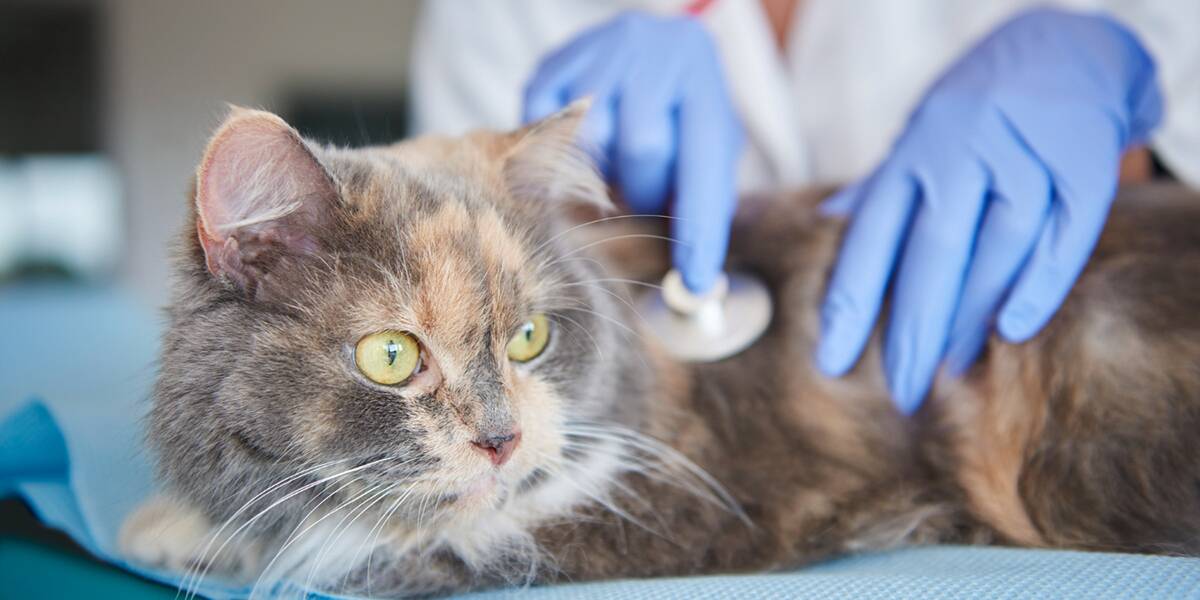
Kidney disease is one of the most common conditions affecting geriatric cats, and recognizing the early symptoms of kidney failure in cats can make a meaningful difference in your pet’s comfort, health, and long-term wellbeing. Kidney failure in cats often develops gradually through chronic kidney disease, but in some cases, acute renal failure can appear suddenly. Understanding the signs, knowing when to see a veterinarian, and monitoring your cat’s overall quality of life are essential for ensuring the most compassionate care during this challenging stage.
While every cat’s journey is different, being aware of the earliest changes helps families make informed, supportive decisions that protect comfort and dignity.
Table Of Contents
- 1 Understanding Kidney Failure in Cats
- 2 1. Increased Thirst and Frequent Urination
- 3 2. Weight Loss and Muscle Wasting
- 4 3. Decreased Appetite and Anorexia in Cats
- 5 4. Vomiting, Nausea, and Digestive Upset
- 6 5. Dehydration and Poor Hydration Status
- 7 6. Strong Ammonia Breath Odor and Uremic Toxins
- 8 7. Lethargy, Weakness, and Low Energy
- 9 8. Behavior Changes in Cats
- 10 9. High Blood Pressure and Cardiovascular Symptoms
- 11 10. Advanced Symptoms: Seizures, Anemia, and End-Stage Decline
- 12 When to See Your Veterinarian
- 13 How Quality of Life Assessments Help Families
- 14 When to Consider Humane Euthanasia
- 15 Conclusion
- 16 FAQs
Understanding Kidney Failure in Cats
Kidney failure in cats occurs when the kidneys can no longer filter waste, regulate fluids, or maintain electrolyte balance. In chronic kidney disease, the decline happens slowly, often over months or years. Acute renal failure, however, can develop rapidly from toxins, infections, blockages, or sudden illness. In both cases, the buildup of uremic toxins creates serious health issues that affect appetite, energy, hydration, and behavior.
Kidney failure is especially common in geriatric cats, so preventive veterinary care, routine bloodwork, and early monitoring are essential for detecting issues before symptoms escalate.
1. Increased Thirst and Frequent Urination
- Cats may begin drinking much more water than usual, often visiting the bowl repeatedly throughout the day as the kidneys struggle to maintain proper hydration.
- Urine output may increase significantly, creating larger litter box clumps that reflect how diluted the urine becomes during early kidney decline.
- Some cats start urinating outside the litter box due to urgency, discomfort, or inability to reach the box in time, signaling worsening kidney stress.
- These changes often appear before more severe symptoms and should prompt an early veterinary visit for evaluation.
These early changes often appear months or years before more serious symptoms develop.
2. Weight Loss and Muscle Wasting
- Gradual weight loss occurs because the kidneys cannot effectively process proteins, leading to slow but noticeable muscle wasting over the spine and hips.
- A cat may continue eating normally yet still lose muscle, as chronic kidney disease disrupts nutrient absorption and contributes to long-term nutritional imbalance.
- Muscle loss becomes more pronounced in geriatric cats, particularly those experiencing long-term decline with reduced activity and chronic metabolic strain.
- Sudden or unexplained weight loss should always be evaluated, as it often accompanies underlying kidney failure or other internal illnesses.
Unexplained weight loss in any cat should prompt veterinary consultation.
3. Decreased Appetite and Anorexia in Cats
- Cats with kidney failure may walk to the food bowl, sniff it, and turn away repeatedly due to nausea caused by toxin buildup in the bloodstream.
- Food aversion may worsen over time, even when diet changes, warming meals, or appetite stimulants are attempted to encourage eating.
- Some cats experience complete anorexia, refusing all foods and treats as discomfort intensifies, which can lead to rapid decline and dehydration.
- A prolonged decrease in appetite requires quick veterinary attention to determine whether supportive care or further evaluation is needed.
4. Vomiting, Nausea, and Digestive Upset
- Kidney failure causes toxin accumulation that irritates the stomach lining, leading to vomiting of foam, bile, food, or clear fluid throughout the day.
- Nausea may appear subtly, with cats licking their lips, drooling, or swallowing excessively as they struggle with internal discomfort.
- Repeated vomiting leads to dehydration and electrolyte imbalance, worsening fatigue, weakness, and digestive sensitivity in cats with chronic kidney disease.
- Persistent gastrointestinal symptoms should be addressed promptly to maintain comfort and determine the severity of kidney decline.
Vomiting coupled with weight loss often indicates significant kidney decline.
5. Dehydration and Poor Hydration Status
- Kidney failure prevents the body from conserving water, causing ongoing dehydration even when a cat drinks frequently or attempts to hydrate normally.
- Dehydrated cats often develop sunken eyes, dry gums, and poor skin elasticity, all visible signs of fluid imbalance and metabolic stress.
- As dehydration worsens, cats become lethargic, disinterested in movement, and more susceptible to temperature fluctuations or circulatory decline.
- Addressing hydration early helps improve comfort, although advanced stages may require families to consider quality-of-life discussions.
Supportive hydration guidance from a veterinarian can help maintain comfort, especially for geriatric cats.
6. Strong Ammonia Breath Odor and Uremic Toxins
- As kidney function worsens, uremic toxins accumulate and create a noticeable ammonia breath odor that many describe as sour, metallic, or urine-like.
- Cats may develop ulcers along the gums or tongue due to toxin buildup, making eating and grooming extremely uncomfortable or even painful.
- Ammonia odor often appears during later stages of kidney decline and serves as a strong indicator of systemic metabolic imbalance.
- When breath odor changes significantly, it usually reflects a need for urgent veterinary support and evaluation of overall comfort.
7. Lethargy, Weakness, and Low Energy
- Cats with kidney failure often sleep more, move less, and show little interest in social interactions or activities they previously enjoyed.
- Weakness develops gradually as toxins increase and anemia progresses, limiting a cat’s ability to walk, jump, or maintain normal daily routines.
- Some cats appear confused or detached due to fatigue and metabolic imbalance, making simple actions feel exhausting or overwhelming.
- Severe lethargy indicates worsening decline and should prompt a discussion about comfort-focused support or end-of-life considerations.
8. Behavior Changes in Cats
- Cats may begin hiding in unusual places such as closets or under furniture as discomfort increases and they seek quiet isolation.
- Some cats become more clingy and seek constant reassurance as they cope with discomfort, nausea, or emotional confusion.
- Irritability or sudden aggression may appear, especially when handling or interactions cause discomfort or heighten internal stress.
- Any major behavioral shift should be taken seriously and used as part of a larger quality of life assessment.
9. High Blood Pressure and Cardiovascular Symptoms
- Chronic kidney disease commonly leads to hypertension, which can cause sudden blindness, disorientation, or confusion due to changes in blood flow.
- Cats may show signs of distress such as pacing, vocalizing, or acting fearful if blood pressure rises to dangerous levels.
- Severe hypertension may contribute to seizures or collapse, indicating a need for immediate veterinary assessment.
- Managing blood pressure is essential for maintaining comfort, especially in geriatric cats with advanced kidney disease.
Monitoring blood pressure is especially important for geriatric cats with CKD.
10. Advanced Symptoms: Seizures, Anemia, and End-Stage Decline
- Toxin buildup or electrolyte imbalance may trigger seizures, shaking, or neurological symptoms that reflect advanced organ failure.
- Pale gums and extreme weakness often appear when anemia progresses, leaving the cat unable to move or remain alert for long periods.
- Cats may experience severe diarrhea, body odor changes, or vocalization due to discomfort, indicating that the body is reaching its final stage.
- These symptoms suggest a need for urgent quality-of-life assessment and compassionate discussions about humane euthanasia.
At this stage, families should consider a quality of life assessment to determine whether humane euthanasia may be the kindest choice for preventing prolonged suffering.
When to See Your Veterinarian
Prompt veterinary care is essential if your cat shows early symptoms of kidney failure in cats. A veterinarian may perform bloodwork, urinalysis, blood pressure evaluation, and physical examination to diagnose chronic kidney disease or acute renal failure.
Cats experiencing vomiting, anorexia, seizures, dehydration, or sudden weight loss require urgent attention. Geriatric cats, especially those over 12 years old, should receive regular exams to monitor kidney health as part of preventive veterinary care.
How Quality of Life Assessments Help Families
A quality of life assessment helps families understand how much discomfort their cat is experiencing. These evaluations consider appetite, hydration, energy level, mobility, emotional wellbeing, and comfort. When symptoms escalate, quality of life scoring helps determine whether ongoing supportive care or humane euthanasia may be most appropriate.
Mobile veterinarians play an important role by evaluating cats in their home environment, where they feel most comfortable.
When to Consider Humane Euthanasia
Humane euthanasia becomes an important consideration when kidney failure leads to persistent suffering that can no longer be relieved. Families may face this decision when a cat can no longer eat or drink, experiences severe vomiting or nausea, has frequent seizures, or becomes too weak to walk comfortably.
Other indicators include inability to maintain hydration, difficulty breathing, or daily distress that outweighs moments of comfort. In these situations, choosing humane euthanasia allows a cat to pass peacefully at home, surrounded by familiar sights, gentle care, and the people who love them most.
Conclusion
Recognizing the symptoms of kidney failure in cats is essential for ensuring comfort, dignity, and timely care. Early signs such as increased thirst, weight loss, vomiting, and behavior changes help families understand when their cat may need veterinary support. Monitoring hydration, appetite, and energy levels also provides insight into whether chronic kidney disease or acute renal failure is progressing. If your cat is showing signs of discomfort, weakness, or declining quality of life, a consultation can help guide next steps.
For compassionate in-home support, Comfort Paws Veterinary Care provides gentle monitoring, senior pet guidance, and humane euthanasia when needed to ensure your cat experiences peace and comfort during their final stage of life.
FAQs
- How do I know if my cat’s kidney disease is getting worse?
Worsening kidney disease appears as increased vomiting, reduced appetite, dehydration, weight loss, and greater lethargy. Behavioral changes or worsening bloodwork values also indicate progression and should prompt a veterinary re-evaluation.
- What does a vet do for a cat with kidney failure?
A vet performs bloodwork, urinalysis, blood pressure checks, and hydration assessments. They provide comfort care guidance to reduce nausea, maintain hydration, and support overall wellbeing during chronic kidney decline.
- How long does it take for kidney failure to show in cats?
Chronic kidney failure develops slowly over months or years, while acute renal failure can appear within days. Early symptoms are subtle, making routine checkups essential for timely detection.
- How long can a cat live with kidney failure without treatment?
Without supportive care, kidney failure progresses quickly, sometimes within days or weeks. Decline depends on hydration status, toxin buildup, and overall health.