
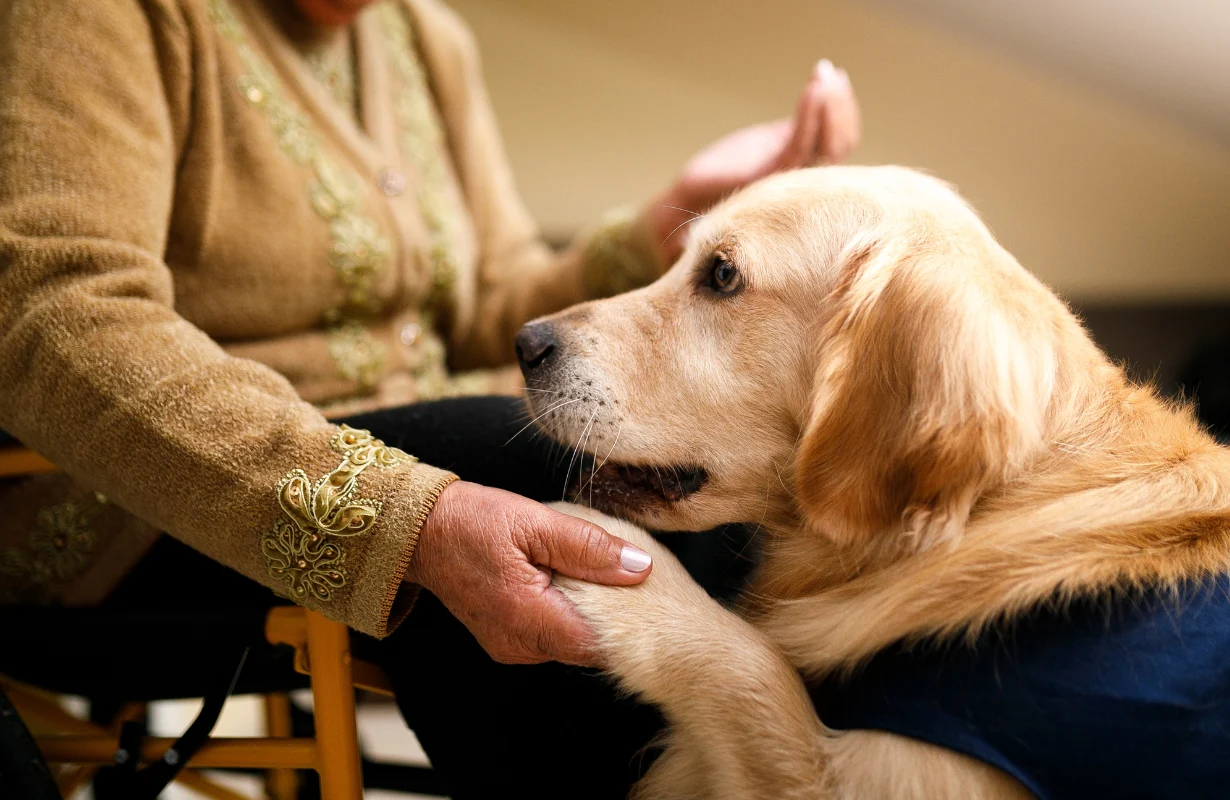
Understanding how to care for a senior dog becomes essential as our pets grow older. Senior dogs often face new physical and emotional challenges that require thoughtful adjustments in the home and added support from their families. As pets enter their golden years, their needs shift toward comfort, mobility assistance, monitoring for chronic illness, and addressing issues like pet arthritis, cognitive decline, and kidney disease. With the right approach, families can help their older companions enjoy a peaceful, fulfilling life with loving attention and personalized care.
Caring for an aging pet is not only about daily routines but also about recognizing changes early and seeking guidance when concerns arise. Senior health depends on regular veterinary evaluations, a calm environment, and supportive additions. For pets nearing the end of life, sensitive guidance and hospice care help families focus on quality of life and emotional support. Whether your dog is entering early senior stages or facing more advanced challenges, learning how to care for them is a meaningful way to honor the bond you share.
Table Of Contents
- 1 Understanding the Needs of Senior Dogs
- 2 Improving Home Comfort for Older Pets
- 3 Supporting Mobility and Managing Pet Arthritis
- 4 Monitoring Chronic Conditions in Senior Dogs
- 5 Cognitive Decline and Emotional Support
- 6 The Role of Regular Veterinary Care
- 7 Hospice Care for Senior Dogs
- 8 Preparing for the Final Stages of Life
- 9 Conclusion
- 10 FAQs
Understanding the Needs of Senior Dogs
Just like humans, senior dogs experience natural changes as they age. These changes affect mobility, appetite, sleep patterns, and energy levels. Some dogs develop chronic conditions such as animal diabetes, kidney disease, or urinary incontinence. Others may face cognitive decline, which can cause confusion, nighttime restlessness, or changes in behavior.
Common signs of aging include:
- Difficulty standing, climbing, or getting into cars
- Increased stiffness or limping related to pet arthritis
- Loss of interest in toys or regular walks
- More time spent sleeping
- Accidents in the home from urinary incontinence
- Weight loss or muscle thinning
- Disorientation or altered sleep cycles
Recognizing these signs helps families adapt care routines. By adjusting their environment and scheduling regular checkups, you can protect both comfort and overall senior health.
Improving Home Comfort for Older Pets
A supportive environment is essential for senior dogs. Small changes can help your pet move safely and comfortably around the home. Key home adjustments include:
1. Memory Foam Bedding
Older dogs need soft, supportive bedding to reduce pressure on joints. Memory foam bedding helps distribute weight evenly and reduces stiffness when pets wake up.
2. Anti-Slip Rugs
Smooth floors become dangerous as pets lose stability. Anti-slip rugs create safe walking paths and prevent falls, especially for dogs with pet arthritis or muscle weakness.
3. Easily Accessible Resting Areas
Place beds in quiet, warm areas away from loud noises. Senior dogs often seek gentle, predictable environments.
4. Interactive Toys for Mental Stimulation
Puzzles, soft toys, or scent-based play help reduce cognitive decline by keeping your senior dog engaged. Tailor toy choices to your pet’s abilities.
Small additions like ramps, night lights, or raised food bowls also improve comfort and safety.
Supporting Mobility and Managing Pet Arthritis
Mobility challenges are one of the most common concerns in senior dogs. As joints age or degenerative conditions develop, dogs may struggle with simple daily movements.
Signs of pet arthritis include:
- Difficulty rising after sleep
- Slow walking or limping
- Reduced interest in play
- Visible stiffness
Managing arthritis is an important part of care for a senior dog. Veterinary support can include pain relief, mobility guidance, and lifestyle adjustments. Regular checkups ensure arthritis is monitored closely as part of senior health planning.
Comfort Paws Vet provides gentle in-home evaluations to assess mobility, pain levels, and quality of life. These visits help families understand which changes may best support their aging companion.
Monitoring Chronic Conditions in Senior Dogs
As pets age, chronic diseases become more common. Understanding these conditions allows families to offer attentive care and recognize early warning signs.
Kidney Disease
Older dogs frequently experience kidney disease, which affects hydration, appetite, and energy. Increased water intake, weight loss, or vomiting may signal concern.
Animal Diabetes
Animal diabetes develops when the body cannot regulate blood sugar properly. Symptoms include drinking more water, increased urination, and unexplained weight loss.
Osteoporosis
Age-related bone density loss can make dogs more fragile. Care should include stable walking surfaces and reduced jumping to avoid injuries.
Urinary Incontinence
Hormonal changes and weakened muscles may lead to urine leakage. While inconvenient, it is manageable with supportive bedding and veterinary guidance.
Routine bloodwork and diagnostic tools like ultrasound help monitor these conditions. Comfort Paws Vet provides in-home diagnostics that make testing easier for older dogs who experience stress in clinic settings.
Cognitive Decline and Emotional Support
Cognitive decline in senior dogs involves changes in memory, learning, and awareness. Dogs may pace at night, appear confused, or show decreased responsiveness. Although cognitive decline cannot be cured, it can be managed with supportive routines.
Ways to support aging pets emotionally:
- Maintain consistent feeding and walking times
- Use interactive toys to stimulate the mind
- Provide quiet rest areas
- Offer reassurance and gentle affection
- Avoid major changes in household routine
Because cognitive decline can impact comfort, veterinary discussions often include whether additional support or hospice care may help maintain quality of life.
The Role of Regular Veterinary Care
Learning how to care for a senior dog involves building a strong relationship with your veterinarian. In-home veterinary care from Comfort Paws allows older dogs to receive personalized attention without stressful travel. At-home veterinary visits may include:
- Physical examinations
- Mobility assessments
- Pain management guidance
- Diagnostic bloodwork
- Blood pressure evaluation
- Senior wellness consultations
- Quality of life assessment
These services ensure that changes in senior health are recognized early. Regular evaluations help families make informed decisions about treatment, comfort, and long-term planning.
Hospice Care for Senior Dogs
When chronic illness or age-related decline becomes advanced, hospice care focuses on maximizing comfort rather than curing disease. Hospice care supports pets in the final stages of life with gentle monitoring, pain management, and emotional guidance for families.
Comfort Paws Vet provides compassionate in-home hospice discussions that help families understand their pet’s needs and navigate difficult decisions with sensitivity.
Preparing for the Final Stages of Life
As senior dogs reach the end of their journey, families may consider quality of life more deeply. Discussions about mobility, pain, appetite, and comfort guide decisions related to hospice care or humane euthanasia. Comfort Paws Vet supports families with compassionate in-home guidance and quality of life assessments to ensure each dog’s final moments remain peaceful and respectful.
Conclusion
Understanding how to care for a senior dog means supporting comfort, mobility, and emotional wellbeing while addressing the unique challenges of aging. With thoughtful adjustments, regular veterinary assessments, and compassionate hospice care, families can help their senior dogs enjoy meaningful, peaceful days at home.
For guidance, evaluations, or support in understanding your pet’s needs, Comfort Paws Veterinary Care is here to help you provide loving care during every stage of your dog’s senior years.
FAQs
- How do you take care of a senior dog at home?
Care involves providing comfortable bedding, preventing slips with anti-slip rugs, maintaining regular feeding and walking routines, and monitoring for signs of illness. Supportive veterinary visits, mental stimulation through interactive toys, and pain management guidance help maintain senior health and emotional wellbeing.
- What is the leading cause of death in senior dogs?
Many senior dogs pass away due to chronic illnesses such as kidney disease, cancer, or complications from heart conditions. Degenerative issues and mobility decline also contribute to reduced quality of life. Regular monitoring helps families make informed decisions about comfort and long-term care.
- When should you consider putting a senior dog down?
Families often consider euthanasia when pain, mobility loss, or chronic disease significantly reduces comfort. A quality of life assessment helps evaluate factors like appetite, energy, and daily function. When suffering outweighs good days, humane euthanasia becomes a compassionate decision for aging pets.
- How can I care for a senior dog with dementia?
Caring for a dog with cognitive decline includes predictable routines, soft lighting at night, mental enrichment with interactive toys, and veterinary discussions about senior health. Gentle reassurance and calm environments also help reduce confusion and anxiety during evening or nighttime hours.
- What are signs my senior dog is healthy?
Healthy senior dogs maintain consistent appetite, stable weight, regular elimination habits, and comfortable mobility. They show interest in family interaction and appear relaxed. Routine veterinary evaluations confirm organ health and help identify early changes that may require supportive adjustments.