
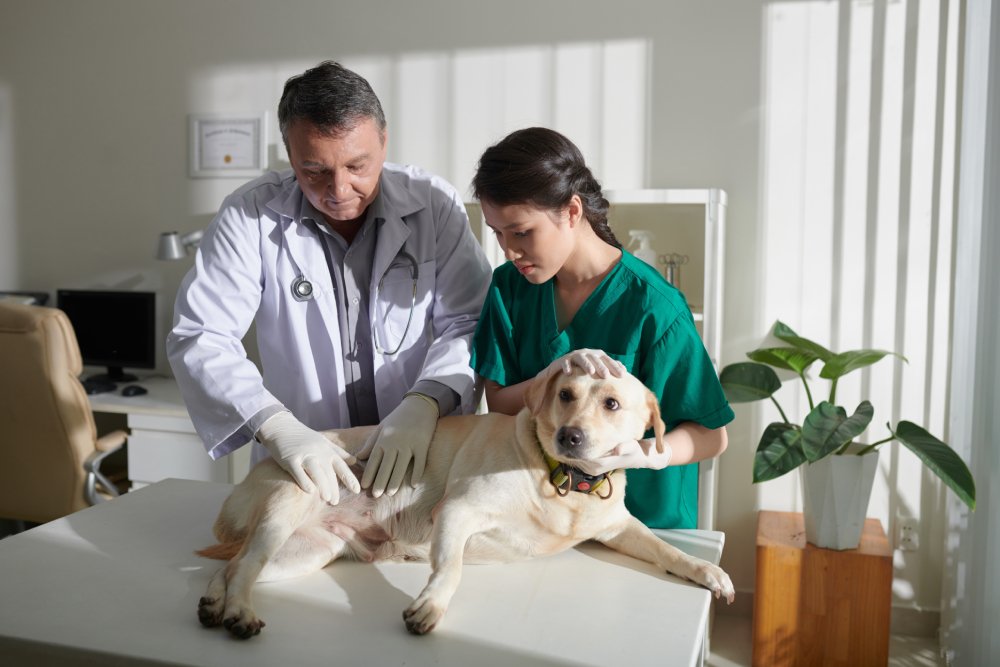
Realizing when it might be time to say goodbye to a beloved dog is one of the most emotional decisions a family will ever face. Recognizing the signs it’s time to put your dog down helps ensure your companion does not experience prolonged suffering or distress. Veterinarians rely on medical indicators, behavior changes, and quality-of-life scoring tools such as the HHHHHMM Scale to guide families through compassionate end-of-life decision-making.
While this article focuses on dogs, many of the same indicators also apply to cats approaching the end of life. Understanding these signs helps families make thoughtful, loving decisions that respect their pet’s comfort and dignity.
Table Of Contents
- 1 1. Persistent Pain and Discomfort Despite Treatment
- 2 2. Restlessness and Anxiety That Does Not Improve
- 3 3. Loss of Appetite and Decreased Thirst
- 4 4. Frequent Vomiting, Dehydration, and Digestive Decline
- 5 5. Incontinence and Loss of Hygiene
- 6 6. Changes in Eyes, Temperature, and Physical Appearance
- 7 7. Major Behavioral Changes in Dogs
- 8 8. Decreased Mobility, Stumbling, or Neurological Decline
- 9 9. Labored Breathing and Respiratory Distress
- 10 10. More Bad Days Than Good Days
- 11 Compassionate Support Through Palliative and Hospice Care
- 12 Understanding Lifespan Differences by Breed
- 13 Coping with Pet Loss and Memorializing Your Dog
- 14 Conclusion
- 15 FAQs
1. Persistent Pain and Discomfort Despite Treatment
Pain and discomfort in dogs often become more visible as chronic illnesses progress. When pain medication no longer provides relief, dogs may experience significant suffering that impacts mobility, sleep, appetite, and daily comfort.
- Many dogs begin limping, whining, or showing extreme stiffness throughout the day when their pain has progressed beyond what medications or supplements can manage effectively.
- Some dogs show signs of discomfort through panting, shaking, or constant shifting of position, indicating their body can no longer rest without distress or physical strain.
Pain that cannot be controlled medically is one of the clearest signs it may be time to discuss dog euthanasia with your veterinarian.
2. Restlessness and Anxiety That Does Not Improve
Restlessness is often associated with discomfort, organ decline, or cognitive dysfunction. Dogs may pace, cry at night, or struggle to settle in familiar resting spots. Anxiety in dogs may escalate during terminal stages.
- A restless dog may repeatedly get up and lie back down, unable to find a comfortable position due to internal discomfort or unmanageable pain.
- Increased nighttime pacing or vocalization often reflects anxiety, confusion, or cognitive decline, showing that your dog can no longer find emotional or physical peace.
Cats nearing end-of-life often exhibit similar behavior through nighttime wandering, crying, or disorientation.
3. Loss of Appetite and Decreased Thirst
Eating and drinking less can be a natural part of dog aging, but severe or persistent changes often indicate internal organ decline or discomfort.
- A dog who repeatedly refuses meals, despite appetite stimulants or changes in food texture, is often experiencing advanced discomfort or significant systemic changes.
- A noticeable decrease in water intake often leads to dehydration, which can cause additional weakness, organ strain, and lethargy that worsen quality of life quickly.
Weight loss in dogs frequently accompanies these changes and is a strong indicator that the body is shutting down.
4. Frequent Vomiting, Dehydration, and Digestive Decline
Chronic vomiting or digestive changes often signal organ failure, gastrointestinal tumors, or severe metabolic disease.
- Ongoing vomiting combined with diarrhea, dehydration, or refusal to eat can leave a dog too weak to move comfortably or maintain essential body functions.
- Dogs who cannot retain fluids or food often decline rapidly, showing signs of fatigue, discomfort, and gastrointestinal distress that significantly reduce quality of life.
Vomiting and dehydration also appear in terminal feline illnesses, making these signs important for cat owners as well.
5. Incontinence and Loss of Hygiene
Incontinence can be emotionally distressing for both the dog and the family. Many dogs lose control of their bladder or bowel movements in terminal stages.
- A dog who soils themselves frequently or wakes up in wet bedding often experiences embarrassment, skin irritation, and emotional stress that affect daily comfort.
- Dogs who can no longer groom themselves or maintain body cleanliness may develop body odor changes, infections, or discomfort that diminish their dignity.
Cats with terminal illness often struggle with poor grooming and litter box avoidance, mirroring similar signs of decline.
6. Changes in Eyes, Temperature, and Physical Appearance
End-of-life changes often appear through physical symptoms such as dull eyes, cold extremities, and temperature regulation difficulties.
- A dog with dull or sunken eyes often shows signs of dehydration, organ failure, or systemic decline that affects comfort and daily functioning significantly.
- Cold paws, ears, or nose often indicate circulation issues or declining cardiovascular function, suggesting the body is preparing for final stages.
Other signs may include pale gums, muscle twitching, muscle tremors, or a fading facial expression.
7. Major Behavioral Changes in Dogs
Behavioral changes in dogs, such as clinginess, confusion, or detachment, can be strong indicators that the end of life is approaching.
- A normally social dog may become withdrawn, hide frequently, or avoid interaction, showing emotional changes associated with declining health and physical discomfort.
- Some dogs become unusually clingy, anxious, or confused, seeking constant reassurance as their cognitive function weakens or their body begins to decline.
Cats nearing end-of-life also display behavior shifts such as hiding, sudden affection, or reduced interaction.
8. Decreased Mobility, Stumbling, or Neurological Decline
Mobility decline is common in senior dog care, especially in large dog breeds with shorter lifespan expectations.
- Dogs experiencing decreased mobility may struggle to stand, collapse unexpectedly, or show signs of ataxia, making walking painful, frightening, or physically impossible.
- Neurological decline may appear through seizures, stumbling, loss of balance, or difficulty coordinating movements, suggesting the brain or nervous system is deteriorating significantly.
These changes make daily activities such as eating, resting, and going outside increasingly difficult.
You can also explore this guide on How to Care for a Senior Dog and Improve Their Quality of Life.
9. Labored Breathing and Respiratory Distress
Labored breathing often indicates serious cardiac or respiratory issues, cancer, or advanced aging.
- A dog who repeatedly pants without activity, breathes shallowly, or struggles to catch their breath often experiences extreme discomfort that may require immediate veterinary consultation.
- Dogs showing coughing, wheezing, or extended moments of breathlessness may be experiencing respiratory distress that significantly affects overall comfort and wellbeing.
Similarly, cats with terminal respiratory disease experience open-mouth breathing, coughing, or airway distress.
10. More Bad Days Than Good Days
Tracking your dog’s daily comfort is essential for end-of-life decision-making. The HHHHHMM Scale can help evaluate:
- Hurt
- Hunger
- Hydration
- Hygiene
- Happiness
- Mobility
- More good days than bad
A dog experiencing several consecutive bad days, despite palliative care, hydration support, or pain management, is often declining beyond the point of sustainable comfort. When efforts to maintain wellbeing no longer improve quality of life, families may consider in-home euthanasia to prevent prolonged suffering and offer a peaceful passing.
Many cat owners also use this same scale to recognize terminal decline in their pets.
Compassionate Support Through Palliative and Hospice Care
Palliative care and hospice care for pets focus on maximizing comfort during the final stage of life.
- These supportive approaches may include pain management, environmental modifications, hydration support, and emotional comfort that help pets feel safe and calm in their home environment.
- Hospice care allows families to spend meaningful time with their dog while monitoring quality-of-life changes that help determine when euthanasia may become the most compassionate option.
Veterinary consultation is vital in determining the right timing and care plan.
Understanding Lifespan Differences by Breed
Dog lifespan varies widely by breed, making end-of-life signs more noticeable at different ages.
- Small dog lifespan tends to be longer, so signs of decline may appear later and develop more gradually than in larger breeds.
- Large dog lifespan tends to be shorter, leading to earlier development of mobility issues, joint pain, and age-related diseases that impact quality of life.
Understanding breed trends can help set expectations for dog aging.
Coping with Pet Loss and Memorializing Your Dog
Grief after pet loss is deeply personal, and every family approaches it differently. Support may come from family, pet loss support groups, online communities, or veterinary teams. Some families choose cremation, while others consider pet burial or creating meaningful memorials.
Conclusion
Recognizing the signs it’s time to put your dog down is never easy, but understanding your dog’s daily comfort helps guide compassionate decision-making. Observing mobility, appetite, breathing, and emotional wellbeing provides important insights into whether your pet’s quality of life can still be maintained with comfort and dignity.
If your dog or cat is experiencing chronic pain, progressive decline, or significant changes in behavior or health, an at-home quality of life assessment can help you determine the kindest next step. For families seeking gentle, compassionate guidance during this emotional stage, Comfort Paws Veterinary Care offers supportive evaluations, hospice guidance, and peaceful in-home euthanasia when needed.
FAQs
- What are 5 signs that it’s time to put your dog down?
Five key signs include chronic pain unresponsive to medication, labored breathing, significant weight loss, severe mobility decline, and repeated bad days outweighing good ones. A veterinarian can help evaluate these factors through a quality-of-life assessment to guide your decision compassionately.
- What are signs a dog’s quality of life is declining?
Declining quality of life often appears as reduced appetite, persistent pain, mobility struggles, breathing difficulty, withdrawal from family interaction, and lack of interest in daily activities. Monitoring these signs helps families understand whether their dog’s comfort remains sustainable or has meaningfully diminished.
- What are the strange behaviors of dogs before death?
Dogs nearing death may show increased hiding, confusion, clinginess, nighttime restlessness, or unusual vocalizations. Some may appear disoriented or disconnected. These behaviors often reflect declining health, discomfort, or cognitive changes that occur as the body prepares for end-of-life transition.
- Should I put my dog down if he is still eating?
Some dogs continue eating even when suffering in other ways. Eating alone does not indicate a good quality of life. A veterinarian can assess pain levels, mobility, breathing, and emotional wellbeing to help determine whether continued life remains comfortable for your dog.
- Signs your dog is dying of old age
Common signs include extreme lethargy, weight loss, reduced appetite, confusion, incontinence, and labored breathing. Dogs may also withdraw from family interactions. These changes often signal that the body is nearing the end of natural life and may require supportive care.